- Iodine’s Role in Thyroid Function
- Potential Adverse Effects of Excess Iodine
- Interactions with Other Nutrients
- Iodine in Diet and Supplementation
- Considerations for Metabolic Health
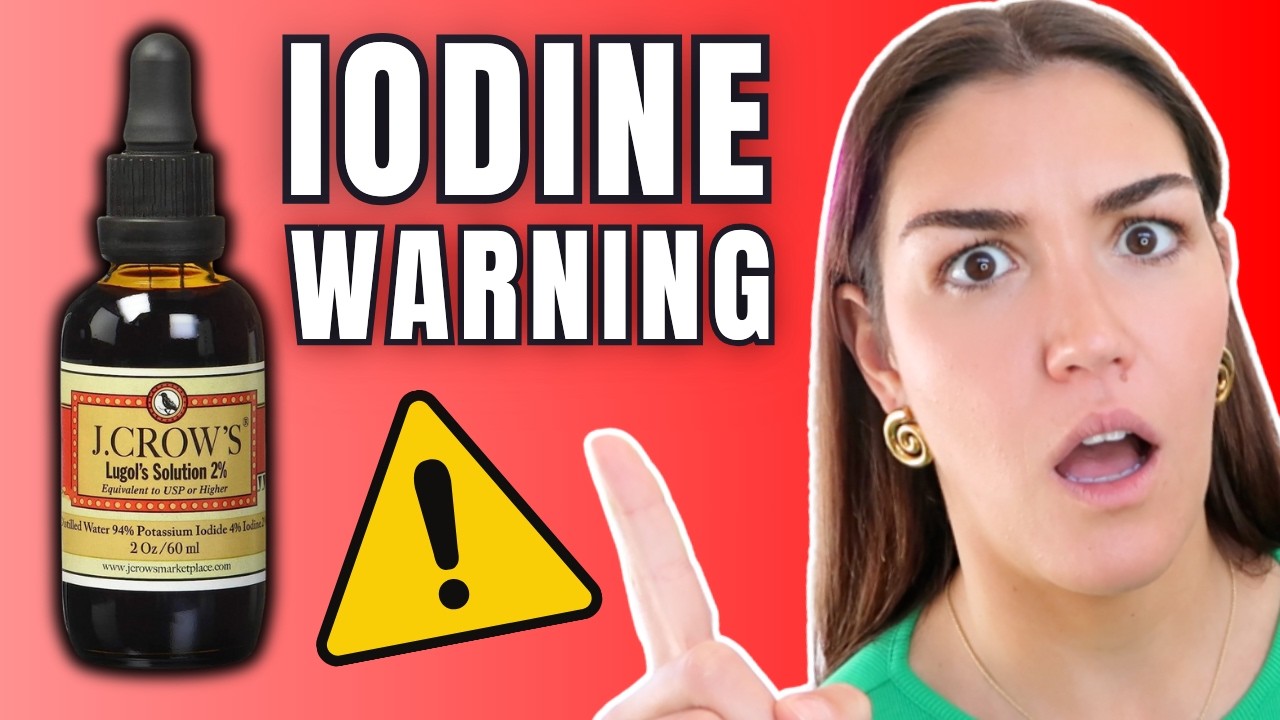
Iodine is often viewed as a vital nutrient, primarily known for its role in thyroid function. This trace element is essential for synthesizing thyroid hormones, which regulate various metabolic processes in the body. However, the reliance on iodine has overshadowed some of its potential negative impacts. The complexity of iodine’s role in human health warrants a closer examination, especially given its prominence in dietary guidelines and supplementation.
One significant aspect of iodine is its contribution to thyroid health. Iodine is used by the thyroid gland to produce hormones like thyroxine (T4) and triiodothyronine (T3). These hormones influence metabolism, energy levels, and overall hormonal balance. An iodine deficiency can lead to various health issues, including goiter—a swelling of the thyroid gland—and hypothyroidism, characterized by low thyroid hormone levels.
However, while an adequate intake of iodine is crucial, excessive consumption can lead to hyperthyroidism. This condition arises when the thyroid produces too much hormone, leading to symptoms like weight loss, rapid heart rate, and irritability. Research suggests that chronic overconsumption of iodine can result from various sources, including dietary supplements and certain medications. Understanding the upper limits of iodine intake is essential for preventing these adverse effects.
Moreover, iodine does not act alone; it interacts with other nutrients in the body. Selenium, for example, plays a role in converting T4 to the more active T3 hormone. If there is insufficient selenium, an excess of iodine can hinder this conversion process, leading to imbalances in thyroid hormone levels. Calcium and magnesium are other minerals affected by iodine levels, as imbalances can lead to physiological changes that impact metabolic efficiency. Therefore, iodine should be viewed in the context of a balanced dietary intake rather than as a standalone nutrient.
For many, iodine is introduced into the diet through fortified foods and iodized salt. Certain seafood and seaweeds are also rich sources of this important nutrient. However, those relying heavily on iodine supplements may exceed recommended doses without realizing it. This is especially pertinent in populations that consume a wealth of sea vegetables or supplements for perceived health benefits.
Metabolic health is another area significantly impacted by iodine levels. Insulin sensitivity, which is crucial for maintaining healthy blood sugar levels, can be influenced by thyroid hormones affected by iodine. When the thyroid is overactive, as seen in cases of excess iodine intake, insulin resistance may develop. This can lead to a cascade of metabolic imbalances, increasing the risk of conditions such as type 2 diabetes. Conversely, low iodine levels can also lead to metabolic dysfunction, showing that both extremes can be detrimental.
Considering iodine’s potential effects on health, it is vital to strike a balance. Monitoring iodine intake through dietary choices is a practical approach to preventing both deficiency and excess. Those with underlying health conditions or other dietary restrictions should particularly be cautious. Consulting healthcare providers can help individuals tailor their iodine intake to fit their specific needs.
Research indicates that public health recommendations, such as iodization programs, are largely effective in preventing iodine deficiency disorders. However, as awareness grows surrounding the potential adverse effects of excess iodine, a more nuanced approach to supplementation and dietary choices becomes critical. It’s essential to understand the duality of iodine’s health implications and advocate for balanced nutritional practices.
While iodine is crucial for optimal health, its darker side often goes unexamined. The dual nature of this nutrient, from supporting thyroid function to posing metabolic risks, underscores the importance of critical evaluation and informed dietary decisions. Awareness of both the benefits and drawbacks of iodine is essential for those wishing to maintain their health effectively.
*****
Source Description
If you aren’t able to get enough iodine through your diet, a supplement can help. Shop here: https://hckait.com/iodine
Most people don’t realize that even a slight iodine deficiency can silently slow down your thyroid, sabotage your metabolism, and make weight loss nearly impossible. And the scary part is, many of the “healthy” habits we’ve adopted, like swapping iodized salt for pink Himalayan salt or eating less seafood, are only making the problem worse.
🩸 3-Day Blood Sugar Reset ➡️ https://healthcoachkait.com/bloodsugarreset
⚠️ 7-Day Insulin Resistance Masterclass ➡️ https://healthcoachkait.com/IRmasterclass
🎧 Healthy Not Complicated Podcast ➡️ https://hckait.com/podcast
Hi, I’m Kait Malthaner (aka Health Coach Kait)! As a certified health and nutrition coach specialising in blood sugar control and reversing insulin resistance, I’m here to simplify your health journey. My videos cover topics like lowering blood sugar, A1c, and blood pressure, reversing insulin resistance and PCOS, weight loss, abdominal fat loss, and more. Getting healthy doesn’t have to be complicated—small changes lead to big results. Start reversing insulin resistance with me today!
Recommended Products and Discount Codes
🩸 At-Home Insulin Resistance Test (Code: KAIT10) ➡️ https://hckait.com/getsowell
🧂 Electrolytes (Code: HCK15) ➡️ https://hckait.com/sodiielectrolytes
💫 Berberine (Code: KAIT10) ➡️ https://hckait.com/getsobalanced
🩷 Inositol (Code: KAIT10) ➡️ https://hckait.com/getsosynced
🚨 Red Light Therapy (Code: HCK15) ➡️ https://hckait.com/rlt
💦 Sauna Blanket (Code: HCK15) ➡️ https://hckait.com/sauna
🥤 Blood Sugar Balancing Drinks (Code: KAIT15) ➡️ https://hckait.com/goodidea
💪 Clean Whey Protein (Code: HCK15) https://hckait.com/protein
📱 Continuous Glucose Monitor USA (Code: KAIT30) ➡️ https://hckait.com/nutrisense
🔥 Continuous Ketone Monitor (Code: KAIT15) ➡️ https://hckait.com/ckm
0:00 Intro
1:13 Why iodine matters
1:51 Why so many people are iodine deficient
3:06 Too little iodine
3:49 Too much iodine
4:25 How to get more iodine
Disclaimer:
This video is for general informational purposes only and should never be considered a substitute for professional medical advice. Always consult your doctor or a qualified healthcare professional for any questions about your health or medical condition. Some links above are affiliate links, meaning I may earn a small commission at no extra cost to you. I only recommend products I use, trust and love.