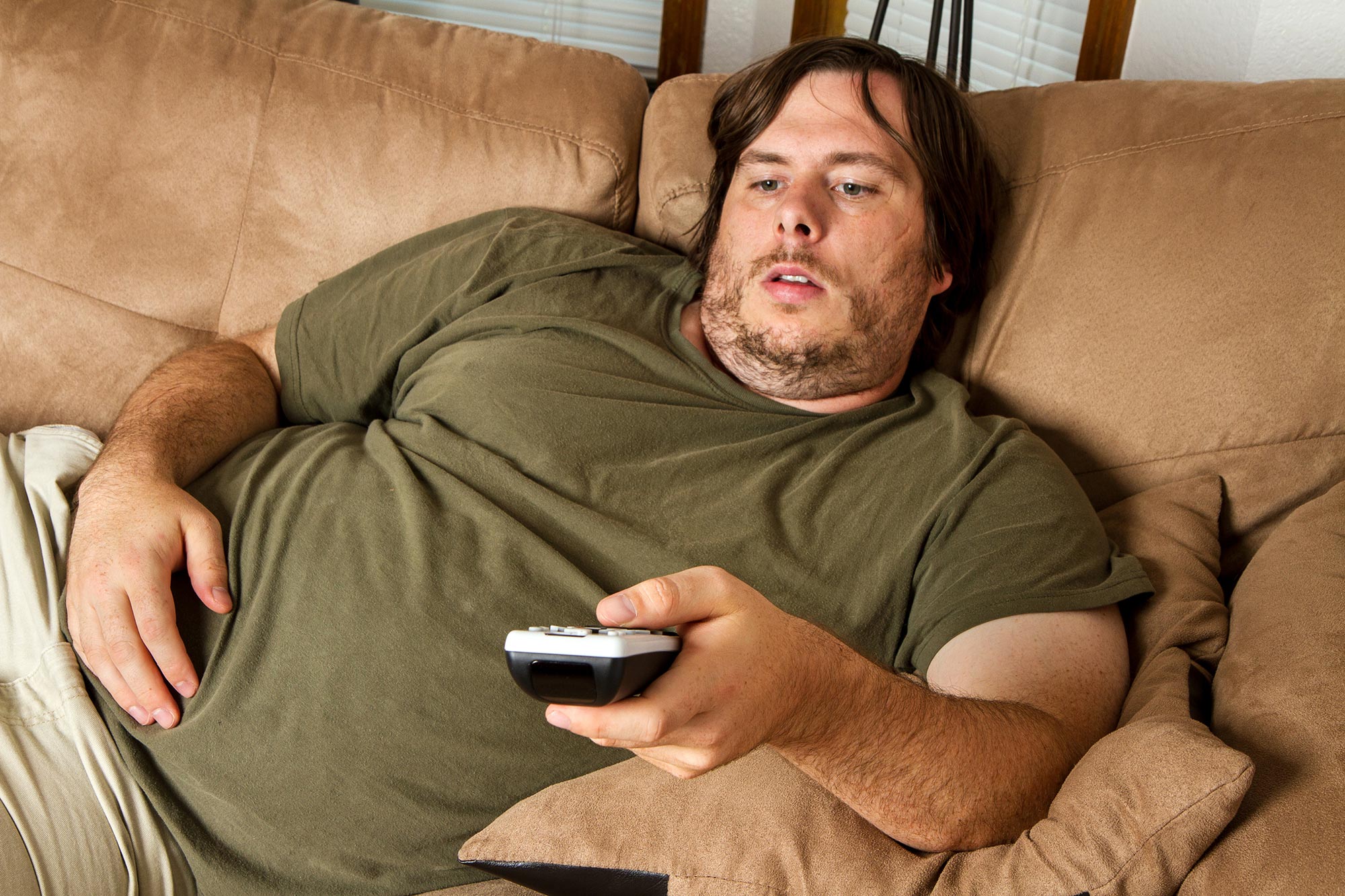
Summary of The Hidden Health Risk of Sitting for Hours Without a Break:
Recent research highlights the significance of how sedentary time is accumulated, indicating that uninterrupted sitting is more harmful than previously thought. A study involving 91,292 participants discovered that each additional hour of prolonged sitting increased the risk of dying from cancer by 9%. The study, led by Frederick Ho from the University of Glasgow, categorized sedentary behavior into prolonged sitting (lasting at least 30 minutes) and interrupted sitting (shorter periods with breaks).
Findings suggest that regularly interrupting sedentary time with light activities—like walking or household chores—can decrease cancer risks. For instance, replacing an hour of sitting with light activity reduces cancer death risk by 12%. Although the research had limitations, including potential health volunteer bias and a short monitoring period, it underscores the importance of integrating light movement throughout daily routines to counteract extended sitting. The authors call for a shift in health guidelines to include the benefits of lower-intensity activity.
*****
Summary Bullet Points
- Prolonged sitting can significantly increase the risk of cancer and mortality.
- The way sedentary time is accumulated—whether in long stretches or with interruptions—matters for health outcomes.
- Simple strategies can mitigate risks associated with prolonged sitting, like taking regular movement breaks.
- Light physical activity is beneficial and doesn’t have to be intense to make a difference.
- Current health guidelines should incorporate the importance of breaking up sitting time with light movement.
The Hidden Health Risk of Sitting for Hours Without a Break
In the world we live in today, the desk has practically become an extension of us. With our fast-paced lifestyles and relentless work commitments, it’s far too easy to sink into the comfort of a chair for hours on end. But what if I told you that this very habit could be silently undermining your health, not just today, but for years to come?
Recent research has uncovered startling evidence about the dangers of sitting. It goes beyond simple aches and pains; we’re talking about an increased risk of serious health conditions, including cancer. Shocking, right? This study—which tracked over 91,000 participants—revealed that for every extra hour spent in uninterrupted sedentary periods, there is a staggering 9% higher risk of dying from cancer.
Now before you dismiss this as merely another health scare, let’s delve into why this information matters so profoundly, and how you can easily make changes that can lead to a healthier, more vibrant life.
Understanding Sedentary Behavior
First, let’s clarify what we mean by sedentary behavior. It refers to activities that involve minimal physical movement—namely sitting, reclining, or lying down while awake. This behavior is remarkably common in our everyday lives, whether you’re at the office, in your car, or relaxing in front of the TV.
What makes this study unique is the differentiation it makes between two types of sedentary behavior: prolonged and interrupted. Prolonged sedentary behavior is characterized by long periods—30 minutes or more—where at least 90% of the time is spent sitting. On the other hand, interrupted sedentary behavior includes shorter sitting spans that are frequently broken up with a variety of movements.
The results were eye-opening. Those who accumulated a lot of prolonged sedentary time were more likely to face health risks, including a higher likelihood of various types of cancer, particularly those linked to obesity and type 2 diabetes.
Why a Break Matters
You might wonder: Why does how we sit matter so much? The answer is wrapped up in how our bodies respond to inactivity. When you sit still for extended periods, your metabolism slows, and processes like blood sugar regulation and the breakdown of fats become less efficient. This inefficiency can lead to a cascade of health risks, which is where the research links prolonged sitting to serious outcomes like cancer.
Interestingly, the study also hinted at a silver lining. Incorporating light physical activity—simple movements like standing to stretch, or even walking around the house—can dramatically lower the risk of encountering these dangers. For example, just replacing an hour of sitting with light activity resulted in a 12% decrease in the risk of dying from cancer.
The Power of Light Movement
But what exactly is “light movement”? It doesn’t require a high-intensity workout or an hour at the gym. Think of mundane tasks: walking from the kitchen to your workspace, standing up to chat with a colleague, or even dancing in your living room while listening to music. Every little bit counts!
Building these habitual movements into your day is likened to sneaking in mini workouts. Instead of viewing your day as strictly divided between work and exercise, consider how you might embed movement seamlessly into your routine.
Practical Tips to Move More
Feeling inspired? Here are practical, manageable strategies you can incorporate into your daily life:
-
Set a Timer: Use your phone or a digital assistant to set a timer every 30 minutes. When it goes off, stand up, stretch, or walk around for a minute or two.
-
Change Your Workspace: Consider a stand-up desk or add small movements into your tasks—like pacing while on a phone call or getting up to grab documents instead of using your desk as a drop zone.
-
Walk During Breaks: Use your coffee break to take a quick stroll around your office or home. This can refresh your mind as well as your body.
-
Incorporate Movement Socially: If you’re meeting someone, suggest a walking meeting instead of sitting down at a café. You’d be amazed at how brainstorming while moving can boost creativity.
- Engage in Active Hobbies: Whether it’s gardening, dancing, or even playing catch with your dog, find an activity that excites you and keeps you moving.
The Bigger Picture
While the study confirms the correlation between sedentary behavior and health risks, it’s essential to note that it doesn’t claim these risks stem solely from sitting. The participants mainly comprised health-conscious individuals, which raises questions about how widely applicable the findings are.
In light of these revelations, how should we rethink our health guidelines? Currently, many focus heavily on moderate or vigorous exercise during designated times—a commendable approach but perhaps one that overlooks the significant benefits of lighter activities dispersed throughout the day.
A Holistic Approach to Health
Being proactive about breaking up sitting time is crucial. A well-rounded health routine shouldn’t be perceived as a chore filled with rigorous exercise. Instead, let’s redefine how we view our movement. Each step, stretch, and brief break accumulates to create a more beneficial lifestyle.
Imagine breaking the cycle of prolonged sitting. You would not only lower your risk of cancer but would also elevate your mood, improve your focus, and enhance your overall sense of well-being. Instead of working harder, think smarter; incorporate these small yet profound changes, and you’ll reap rewards in both productivity and health.
Summary
In an age that glamorizes hustle, it’s essential to recognize the unseen dangers lurking in our sedentary lives. The data is clear: how we accumulate our sitting time profoundly impacts our health. However, the antidote is not found in drastic measures but in small, deliberate actions.
The key takeaway from this research is simple yet profound: it’s not just about the amount of time you spend moving; it’s about how you break up the time you spend still. You hold the power to reshape your daily routine—to prioritize not just your work but your wellness too.
So, here’s the challenge: take a moment today to assess how you can integrate more movement into your life. The results might surprise you—not just in terms of how you feel physically, but also emotionally and mentally. A vibrant, health-conscious life is within your reach. All it takes is a few conscious breaks to set you on a path to a brighter, healthier future.