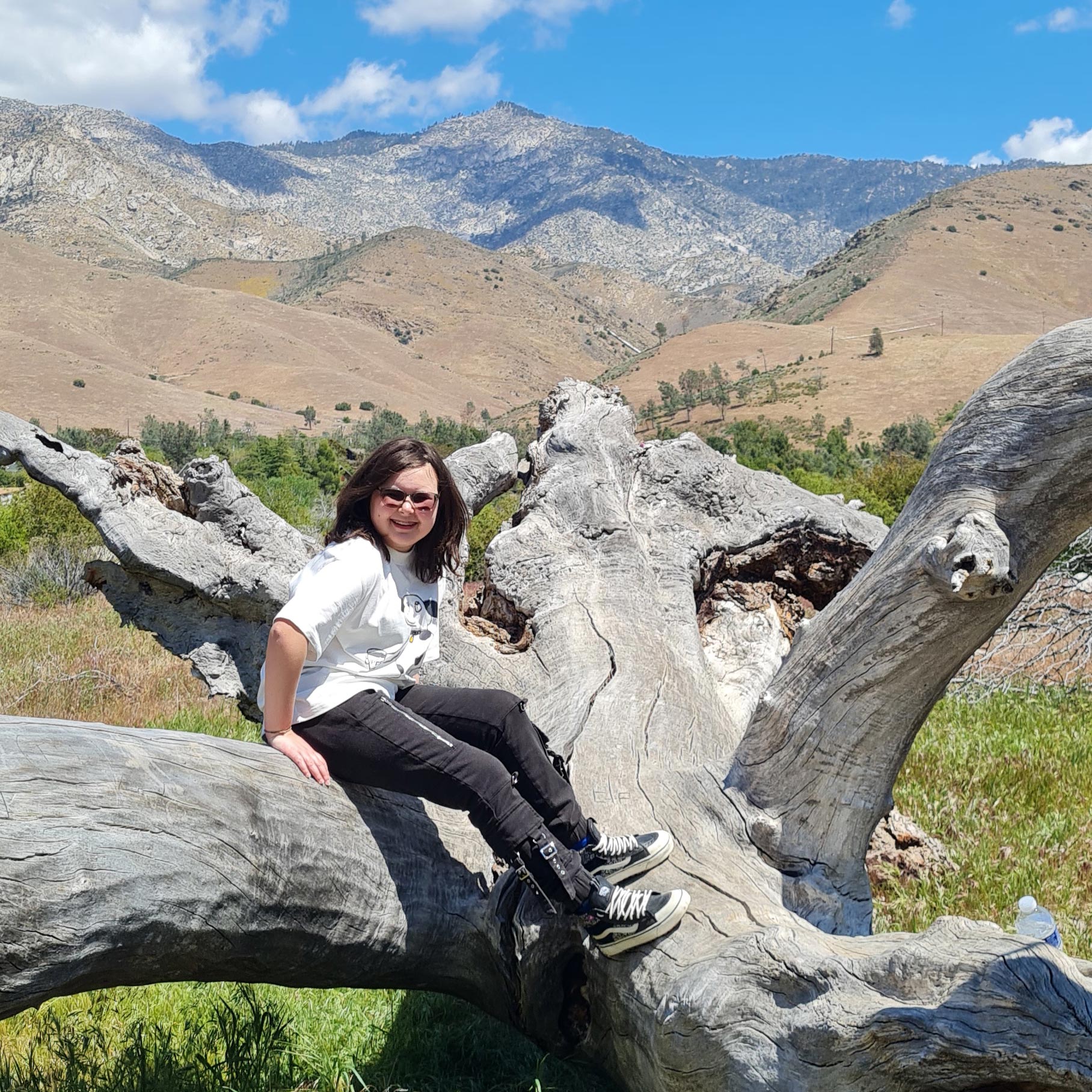
Summary of Teen Beats Deadly Leukemia With Life-Saving Gene-Edited Cell Therapy:
Researchers at University College London and Great Ormond Street Hospital have developed a groundbreaking gene therapy called BE-CAR7 for treating T-cell acute lymphoblastic leukemia (T-ALL), a rare and aggressive blood cancer. This innovative treatment utilizes base-edited CAR T-cells, which can effectively target and eliminate resistant leukemia cells without damaging the patients’ immune systems.
Early results showed an 82% remission rate among treated patients, with 64% remaining disease-free over time. The therapy has been administered to several patients, including Alyssa, a 16-year-old who was the first recipient. She initially faced limited treatment options but is now thriving years later, inspiring hopes for others with the disease.
The therapy involves using “universal” CAR T-cells made from healthy donor cells, avoiding common complications associated with traditional T-cell therapies. This research highlights both the promise of new gene-editing technologies and the urgent need for effective treatments for those who do not respond to conventional therapies. Funding has been secured to expand access to this treatment for more patients, moving towards a brighter future in cancer care.
*****
Key Takeaways
-
Innovative Gene Therapy: Researchers have developed a groundbreaking gene-edited CAR T-cell therapy called BE-CAR7, showing promising results in treating T-cell acute lymphoblastic leukemia (T-ALL).
-
Promising Results: Initial clinical trials demonstrated that 82% of participants achieved deep remission, allowing many to proceed to further treatments like stem cell transplants.
-
Alyssa’s Journey: Alyssa Tapley, a 16-year-old girl from Leicester, was the first to receive this therapy and has since achieved remarkable recovery, symbolizing hope for many families facing cancer.
-
Universal CAR T-cells: The treatment uses “universal” T-cells from healthy donors, allowing more patients to access the therapy without the need for donor-matching, thus streamlining treatment.
- Community and Team Effort: The success of this therapy relies heavily on a coordinated effort among a diverse group of healthcare professionals and support teams dedicated to patient welfare.
Breaking Down a Medical Miracle: Alyssa’s Triumph Over T-cell Leukemia
In a world often riddled with challenges, stories of triumph stand out as beacons of hope. One such narrative that has captured hearts and minds involves a young girl named Alyssa Tapley, who battled T-cell acute lymphoblastic leukemia (T-ALL) with remarkable courage and resilience. Thanks to an innovative new treatment—BE-CAR7, a gene-edited CAR T-cell therapy—Alyssa’s life has transformed in ways many thought impossible.
What Is T-cell Acute Lymphoblastic Leukemia?
Before diving deeper into Alyssa’s inspiring journey, it’s crucial to understand the beast she faced. T-cell acute lymphoblastic leukemia is a rare and aggressive blood cancer that primarily affects the T-cells, a type of white blood cells responsible for fighting infections. For many children, standard treatments like chemotherapy or traditional bone marrow transplants often show little effectiveness, leaving families grappling with despair.
Alyssa’s diagnosis in May 2021 came after a long period of confusion that many could relate to—persistent illnesses that appeared as simple colds and fatigue. For her family, this was more than just a medical condition; it was a life-altering moment that ushered in uncertainty.
The Road Less Traveled
While most kids spend their time hanging out with friends or chasing dreams, Alyssa navigated through chemotherapy and the haunting prospect of palliative care. Yet, amidst the cloud of hopelessness emerged a glimmer of hope. Researchers at University College London and Great Ormond Street Hospital were poised to change the game.
Alyssa chose to participate in a pioneering research opportunity involving BE-CAR7—an uncharted territory in the realm of leukemia treatments. The decision reflected not just bravery but also her wisdom: “Even if it didn’t work for me, it could help others.”
The Science Behind the Breakthrough
So, what makes BE-CAR7 revolutionary? BE-CAR7 employs base editing—a next-level genome editing technique setting itself apart from traditional methods. Unlike the conventional CRISPR techniques that cut DNA, base editing modifies the DNA at extremely precise levels without breaking it, significantly minimizing risks of damages that could have long-lasting implications.
These engineered T-cells, transformed into “universal” CAR T-cells, are made to hunt down and obliterate the cancerous T-cells without causing collateral damage to healthy cells. They act as guided missiles equipped with the specific targeting they need to effectively eradicate the leukemia.
The Triumph of Community and Collaboration
The remarkable aspect of Alyssa’s story isn’t just her bravery; it also showcases the unyielding commitment of health professionals and researchers dedicated to this groundbreaking work. From doctors and nurses to lab technicians and support staff, a “small army” rallied behind Alyssa, providing her with the emotional, mental, and physical support she needed.
Researchers, led by Professor Waseem Qasim, celebrated the promising early results. With 82% of clinical trial participants achieving deep remission, the data spoke volumes. “It hasn’t just been about the science; it’s about the human connections,” Qasim remarked, pointing to the collective effort involved in these journeys.
What Happened Next?
Once the BE-CAR7 T-cells were infused into Alyssa, her body swiftly began the fight against leukemia. Within a few weeks, her condition had improved astonishingly, leading her to receive a bone marrow transplant. What followed was not just about survival but about reclaiming life.
Three years later, Alyssa finds herself thriving—engaging in friendships, sailing, pursuing her Duke of Edinburgh Award, and finally planning to learn how to drive. Turning her gaze towards the future, she voiced a heady ambition: to become a research scientist herself and contribute to groundbreaking discoveries.
Lessons Beyond Science
Alyssa’s story teaches us several uplifting lessons. First and foremost is the importance of hope. Even in dire situations, glimmers of innovation can significantly alter outcomes. Furthermore, it highlights the power of choice and agency in health journeys—Alyssa chose optimism, not just for herself but for those who might walk similar paths.
“It’s not just about medical cures; it’s about the choices we make in adversity,” Alyssa articulated, echoing sentiments many may carry in their challenges. These choices can transform our lives and the lives of others.
The Bigger Picture
Alyssa’s success is not an isolated incident; it speaks to a broader demand: the urgent need for better options in treating aggressive forms of cancer. While 80% of children with T-cell leukemia might respond well to standard therapies, it’s the remaining 20% who hang in the balance—the ones desperately in need of innovative solutions.
Dr. Rob Chiesa, a consultant at Great Ormond Street Hospital, emphasizes that Alyssa is just the beginning. “What this means for other patients is profound,” he said, highlighting the essential nature of continued research in the fight against T-ALL and similar cancers.
Funding Support and Future Aspirations
With significant backing from organizations such as the Medical Research Council and GOSH Charity, the pursuit of cutting-edge treatments has been energized. Over £2 million has been set aside to expand access and support further patients eligible for this novel therapy. It’s a collective effort extending beyond hospitals to nonprofits seeking to build brighter futures for children battling cancer.
The vision goes beyond just individual stories; it’s about laying down frameworks to ensure that every child has access to pioneering treatments that could save their lives. Creating space for these innovative solutions is paramount, as is the hope for continued funding and support.
Final Thoughts: A Generational Shift
With technology rapidly evolving, stories like Alyssa’s represent more than personal victories; they embody a generational shift in how we approach healthcare. Advances in genetic engineering and personalized medicine not only open unprecedented doors but also foster a dialogue about our responsibilities in advancing these technologies for healing.
So, whether it’s through sacrifice, bravery, or sheer willpower, Alyssa and many like her drive home an essential truth: when we unite innovation with human spirit, we can forge pathways of hope against the bleakest conditions.
Alyssa’s story is a call to action—for families, communities, and healthcare systems to come together in pursuit of brighter tomorrows. After all, it’s not solely about medicine but about the heart of humanity navigating the ever-changing tides of life.