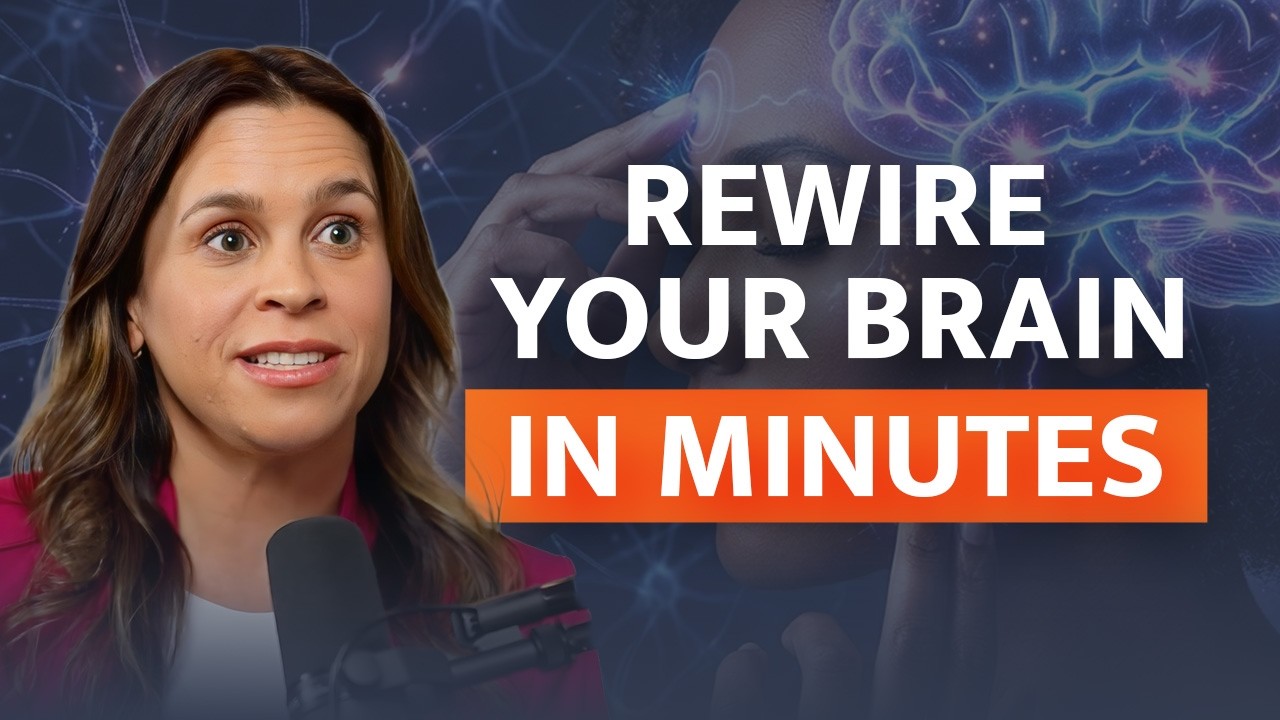
- Tapping reduces cortisol levels by 43%
- Mechanisms by which tapping rewires the stress response
- The impact of reduced cortisol on the nervous system
- Practical applications of tapping in daily life
- Scientific studies supporting tapping techniques
Tapping is a practice that combines psychological principles and acupuncture techniques. It has gained attention for its ability to significantly reduce cortisol levels, which can often be elevated due to stress. Cortisol is a hormone that plays a crucial role in how the body responds to stress. Elevated levels can lead to various health issues, including metabolic diseases and insulin sensitivity problems. Recent research indicates that tapping can lower cortisol levels by approximately 43%. Understanding how this mechanism works can provide valuable insights into managing stress and improving overall health.
Cortisol is produced by the adrenal glands and is often referred to as the "stress hormone." When one experiences stress, whether from external pressures or internal thoughts, the body releases cortisol. This hormone initiates a cascade of physiological responses designed to help an individual cope with the immediate challenges. However, chronic stress leads to persistent elevated cortisol levels, resulting in detrimental effects on both physical and mental health. These can manifest as increased blood glucose levels, impaired immune function, and accelerated aging.
Tapping, or Emotional Freedom Techniques (EFT), involves tapping on specific meridian points on the body while focusing on the stressor. Each of these points corresponds to an area in traditional Chinese medicine associated with energy flow. The act of tapping gently stimulates these points, which may help reset the body’s stress response. Research suggests that this practice allows individuals to process negative emotions and thoughts effectively. As a result, the body can begin to decrease the release of cortisol, leading to a more balanced physiological state.
The mechanisms through which tapping rewires stress responses are multifaceted. One prominent aspect involves the relationship between emotional regulation and physical health. The practice encourages participants to articulate their stressors while tapping, thereby fostering emotional awareness. This simultaneous action can prompt an immediate reduction in anxiety and stress. Additionally, when tapping, the body may enter a parasympathetic state, a phase of rest and recovery that counteracts the fight-or-flight response often triggered by stress. This transition results in decreased heart rates and blood pressure, further supporting the notion that tapping can facilitate a calming effect on the body.
Calming the nervous system is essential for effective stress management. Elevated levels of cortisol can lead to heightened arousal in the nervous system, often resulting in anxiety and irritability. As cortisol levels decrease, so does sympathetic nervous system activation, allowing the body to transition into a more relaxed state. This change can enhance focus and improve emotional well-being. Studies indicate that those who practice tapping regularly experience a marked improvement in not just stress levels but also overall quality of life.
Tapping offers practical applications in many daily situations. Individuals can incorporate it into stress management strategies, whether in personal lives or professional environments. During stressful moments, a few tapping sessions can help bring immediate relief, which can be particularly beneficial for those working in high-pressure occupations. By incorporating tapping into a daily wellness routine, individuals may find they become more adept at managing emotional responses to stressors, resulting in healthier habits over time.
Numerous studies back the efficacy of tapping techniques. Research conducted at various institutions has shown promising results for individuals suffering from anxiety, depression, and PTSD. The methodology employed in these studies often involves a comparison between tapping and more traditional forms of psychological treatment. Evidence suggests that tapping can yield comparable, if not superior, outcomes. As a result, tapping may serve as an essential tool for those looking to enhance their emotional resilience.
Moreover, tapping can be integrated into existing wellness practices such as mindfulness and cognitive behavioral therapy (CBT). This holistic approach allows for a comprehensive understanding of stress management, demonstrating that addressing both the emotional and physical aspects concurrently fosters more profound improvements.
By understanding how tapping cuts cortisol by 43%, rewires stress responses, and calms the nervous system, it’s clear this technique can play a pivotal role in overall health management. Those seeking to improve their well-being can benefit immensely from incorporating tapping into their stress management toolkit. As research continues to provide insights into its mechanisms, tapping not only stands as a practical form of self-care but also as a scientifically supported method for achieving psychological balance.
Regular practice not only contributes to lower cortisol levels but can enhance overall emotional well-being. Tapping increases emotional regulation skills, which can have a ripple effect across various life domains, reinforcing the interconnectedness of emotional and physical health. As people become more adept at managing their stress through tapping, they often discover new pathways to better health and a more fulfilling life.
Creating a consistent tapping routine can amplify these benefits. Individuals may find personal strategies that resonate best with them, making adjustments based on their specific stressors and emotional triggers. Whether it’s tapping twice a day or during specific high-stress moments, the goal is to establish a sustainable practice that provides immediate and long-term relief. Exploring this method further can illuminate broader implications for mental health, encouraging a culture that invests in emotional wellness as an essential component of healthcare.
The collective knowledge surrounding the implications of stress on health highlights the need for effective and accessible solutions. Engaging in practices like tapping not only equips individuals with strategies to manage stress but also invites a deeper understanding of their emotional landscape. This awareness fosters a proactive approach to health, encouraging a shift from reactive measures to preventive practices that enhance life’s quality.
As new findings continue to emerge regarding the efficacy of tapping techniques in reducing stress and enhancing well-being, further exploration into these modalities will likely reveal even more advantages. The conversation surrounding stress management is vital in an increasingly fast-paced world, where the prevalence of anxiety and stress-related disorders is on the rise. Embracing techniques such as tapping can promote emotional resilience and a more balanced approach to health.
Understanding the impact of practices like tapping on cortisol levels and the nervous system underscores the significance of holistic health strategies. With solid grounding in both theory and practice, individuals can address not just the symptoms of stress but its roots, paving the way for healthier, more resilient living.
Fostering a culture that prioritizes emotional health can yield profound societal benefits. As stress becomes increasingly normalized, integrating techniques like tapping into everyday discussions encourages individuals to seek out solutions that enable positive emotional experiences. Tapping stands at the forefront of this movement, blending simple techniques with powerful outcomes, creating pathways for comprehensive well-being.
As you consider the potential of tapping, remember that its benefits extend beyond individual well-being; they ripple out to family, friends, and communities. The collective practice of tapping can create an environment that nurtures mental wellness, paving the way for societal transformation. Emphasizing practical applications and scientific support enables the demystification of stress management techniques, making emotional wellness accessible to all.
*****
Source Description
Most people think the answer to stress is to “just stay positive”—but when your brain’s alarm system is activated, logic goes offline and willpower isn’t enough. In this episode, you’ll discover a powerful, science-backed method to work with your biology to reduce stress, lower cortisol, and regain control of your mind and body. If you’ve ever felt stuck in anxiety, overwhelmed, or unable to shut off your thoughts, this conversation reveals why that happens—and what you can actually do about it.
Joining us is Jessica Ortner, New York Times bestselling author and co-founder of The Tapping Solution, whose work has helped millions rewire their stress response using Emotional Freedom Techniques (EFT). Backed by research from institutions like Yale, Harvard, and Columbia, this method has been shown to reduce cortisol levels by up to 43% and support healing from anxiety and trauma. You’ll learn how stress is stored in the body, why you can’t think your way out of it, and a simple, practical technique you can use anytime to create calm on demand.
Subscribe: https://www.youtube.com/TheShawnModel?sub_confirmation=1
Watch more videos like this:
Playlist: https://www.youtube.com/watch?v=v7TBclRyh_Q&list=PL3zvw5sD7WKwvFPRKgEYjea5sXBG5RlMd
Timestamps:
00:00 – Introduction
00:43 – Meet Jessica Ortner & The Tapping Solution Movement
01:28 – What Is Tapping? (Simple Explanation for Beginners)
02:15 – How the Nervous System Stores Stress & Trauma
03:09 – Why Your Body Reacts Before Your Mind Can Think
04:13 – Jessica’s Personal Story: Anxiety, Illness & Breakthrough
07:38 – The Hidden Epidemic of Chronic Stress & Anxiety
08:24 – The 43% Cortisol Reduction Study Explained
11:15 – PTSD Study: 90% Symptom Reduction Using Tapping
17:13 – Trauma “Short Circuits” & Rewiring Your Body’s Response
21:03 – Memory Rewiring: How Tapping Changes Emotional Reactions
24:08 – The Familiarity Trap: Why You Stay Stuck in Patterns
31:00 – Step-by-Step Guide: How to Do Tapping (Live Demo)
41:17 – Using Tapping for Pain, Sleep, and Physical Healing
47:32 – Brain Scan Study: How Tapping Reduces Cravings
52:09 – Why Tapping Isn’t Mainstream (Yet)
54:56 – Final Takeaways: Rewiring Your Mind & Breaking Patterns
Shawn Stevenson is the author of the USA Today National bestsellers Eat Smarter and the Eat Smarter Family Cookbook, as well as the international bestselling book Sleep Smarter. He’s also the creator of The Model Health Show, featured as the number #1 health podcast in the U.S. with millions of listener downloads each year. A graduate of the University of Missouri–St. Louis, Shawn studied business, biology, and nutritional science and became the cofounder of Advanced Integrative Health Alliance. Shawn has been featured in Forbes, Fast Company, The New York Times, Muscle & Fitness, Good Morning America, ESPN, and many other major media outlets.
Get the Eat Smarter Book here: https://eatsmarterbook.com
Start the Fat Loss Code Course here: https://www.thefatlosscode.com
Order the Eat Smarter Family Cookbook here: https://eatsmartercookbook.com
Let’s Connect…
Website: https://themodelhealthshow.com
X: https://twitter.com/ShawnModel
IG: https://www.instagram.com/shawnmodel/
FB: https://www.facebook.com/TheModelHealthShow