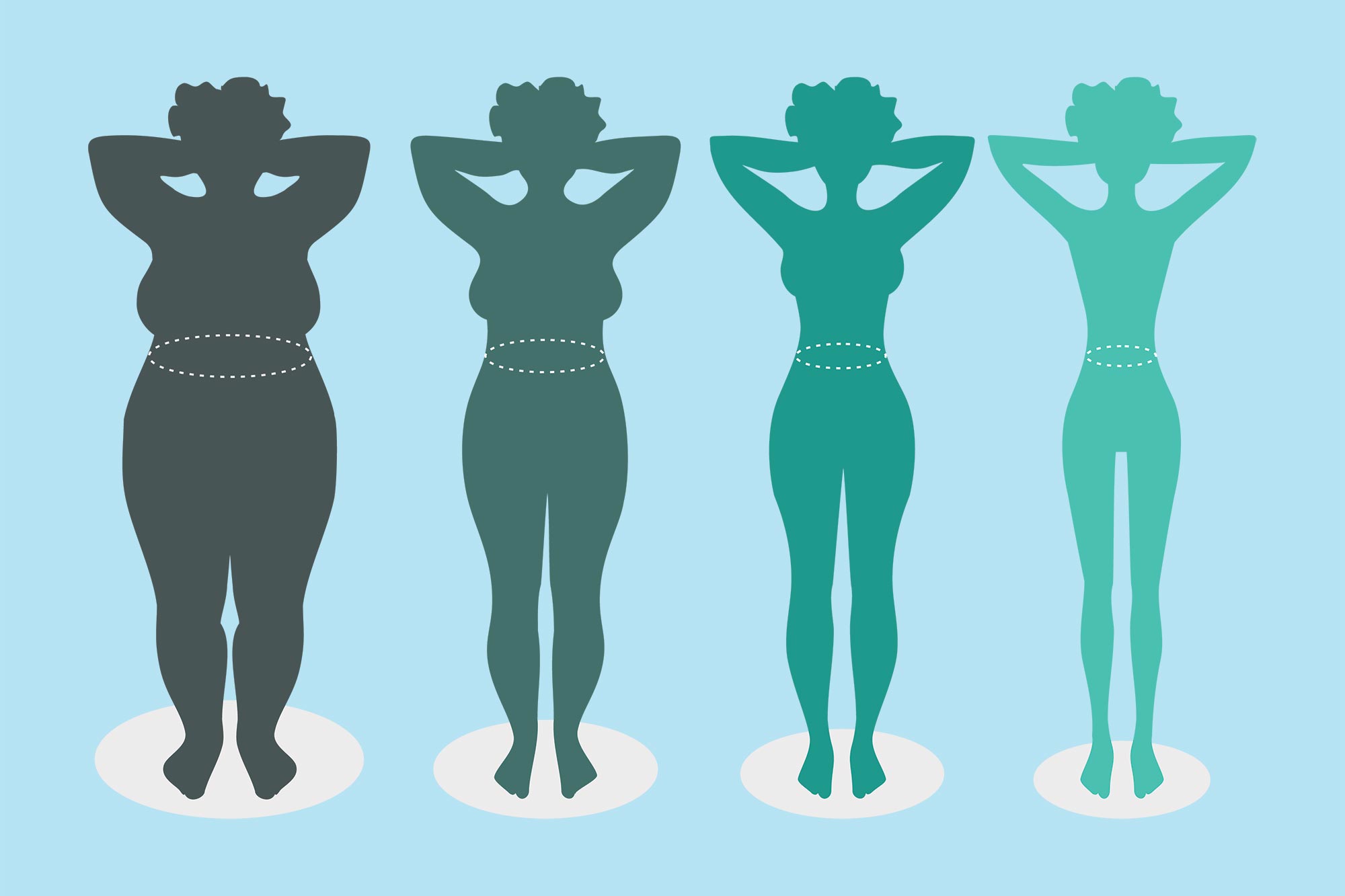
Summary of Study Finds Millions Are Misclassified:
A new study presented at the European Congress on Obesity reveals that the widely used Body Mass Index (BMI) may misclassify many individuals regarding their true health status. Conducted by researchers from the University of Verona and Beirut University, the study utilized dual-energy X-ray absorptiometry (DXA), a more accurate method for measuring body fat.
Key findings include:
– BMI inaccurately categorizes individuals, with over one-third of those categorized as obese actually being in the overweight category, and over half of those labeled overweight falling into the normal weight range.
– The study analyzed 1,351 adults and found that the true prevalence of combined overweight and obesity was about 37%, compared to 41% when using BMI.
– The research calls for updates to public health guidelines in Italy, suggesting the inclusion of additional assessment methods, such as waist-to-height ratios or skinfold measurements, to better reflect true health status.
Overall, the study highlights significant discrepancies between BMI classifications and actual body fat assessments, indicating a need for improved weight assessment tools.
*****
Key Takeaways
- A recent study reveals that the Body Mass Index (BMI) may misclassify health status for millions, leading to potential overestimations of obesity and underweight categories.
- Traditional BMI methods do not reflect true body fat or its distribution, which are crucial for understanding weight-related health risks.
- Research using dual-energy X-ray absorptiometry (DXA) indicates significant discrepancies between BMI classifications and DXA-derived measurements.
- Experts advocate for improved weight assessment methods that better reflect individual body composition rather than relying solely on BMI.
- The findings suggest a need for the public health guidelines to evolve, incorporating additional metrics alongside BMI to provide a clearer picture of health.
BMI: A Closer Look at Misclassifications
In an age where health and self-perception intertwine, one metric has long stood out as a simple indicator of weight-related health: the Body Mass Index (BMI). Consisting solely of a person’s height and weight, BMI has found its way into the daily conversations of health professionals and the general populace alike. Yet, a compelling new study reveals that this seemingly straightforward barometer may not be painting an accurate picture of our health status—or our self-worth.
Understanding the Study
The recent findings from research conducted by the University of Verona and Beirut University spotlight a significant flaw in the BMI system. This exploration into body composition and health metrics utilized a method known as dual-energy X-ray absorptiometry (DXA), regarded as the gold standard for measuring body fat. The results are both eye-opening and critical to consider in our discussions about health, fitness, and self-image.
In an examination of 1,351 adults ranging from 18 to 98 years old—60% of whom were women—the research found that many individuals classified as overweight or obese under the BMI system were miscategorized when assessed using DXA. The potential implications of these misclassifications are transformative, as they call into question the metrics often employed in healthcare, policymaking, and personal health assessments.
The Impacts of Misclassification
Imagine receiving a health assessment that brands you as overweight, only to learn later—for various reasons—that you fall within the normal weight range. The emotional toll and the psychological burdens can be profound. The study revealed that over one-third of individuals categorized as obese through BMI measurements were actually just overweight according to DXA. Even more alarmingly, over half of those deemed overweight by BMI were misclassified, with a staggering three-quarters falling into the normal weight category.
These misclassifications aren’t just numbers—they can shape people’s decisions about diets, exercise regimens, and even medical interventions. The realization that one’s health could be perceived inaccurately based on a flawed system suggests an urgent need to reevaluate how we measure and discuss health.
A Broader Perspective on Body Composition
One of the study’s authors, Professor Marwan El Ghoch, emphasized that the true measure of weight-related health should consider fat distribution and body composition rather than relying solely on BMI. For many, the BMI has served as a comforting statistic, a line on a chart that could easily be referenced, but these findings assert that comfort must yield to accuracy.
Cultural perceptions of body image are notoriously complicated and vastly different depending on geographic and societal contexts. This new research indicates that discrepancies might not just be limited to a single population—potentially other ethnic groups may experience similar misclassifications due to BMI’s limitations. This revelation could transform how we communicate and educate about health on a global scale.
Alternative Ways to Measure Health
To enrich our understanding of what it means to be healthy, researchers propose incorporating various metrics alongside BMI. Options like skinfold measurements or the waist-to-height ratio can provide easier, more accurate assessments of body composition. The biopsychosocial model of health affirms that our wellness isn’t defined solely by weight; we must consider mental well-being, physical fitness, and emotional resilience.
Imagine a world where we move away from just weighing ourselves; where our health and fitness aren’t dictated solely by a number and how we look in the mirror, but rather by our functional health and how we feel in our bodies. These shifts could empower individuals to focus less on diet culture and more on holistic health, self-acceptance, and body positivity.
Why This Matters
Why should this study matter to you? Because it propels an important conversation about the very metrics we use to judge ourselves and others. It challenges a narrow viewpoint and asks us to be kinder—not only to ourselves but also to each other. With prevalent toxicity in discussions surrounding body image, these findings underscore the importance of understanding the nuances of individual health journeys.
While BMI has long been a staple in health metrics, the evidence supporting its shortcomings calls for reevaluation, especially in light of the emotional and social implications of these classifications. The quest for clarity and understanding our own bodies can become more accessible and less anxiety-inducing when we consider a broader range of health indicators.
Empowering Change
Beyond simply critiquing BMI, this research serves as a rallying cry for improvements in how we assess and discuss health. The initiative to embrace alternative metrics provides a path for enhancing people’s understanding of their bodies and well-being. It nudges us to look at health through a more inclusive lens, one that respects differences and appreciates diversity in body types and states of health.
In this rapidly evolving world, information is power. The conversations we have about our health matter, and so does the language we employ. Awareness of misclassifications and understanding our body’s unique portrayal of health lays the groundwork for more considerate interactions.
Taking Action
So, where do we go from here? Knowledge elicited from studies like these impels us to engage authentically. Whether it’s encouraging family, friends, or healthcare professionals to broaden their understanding of health or advocating for revised health guidelines, every action counts.
You can contribute to this shift by seeking out resources that promote a more comprehensive understanding of health. Explore workshops that emphasize body positivity, self-acceptance, and functional fitness, rather than focusing purely on weight loss or BMI categories.
Moreover, educating oneself on how different cultures and communities perceive health can provide insights and foster greater empathy. Encourage open discussions that raise awareness around body image, leading to communal uplifting rather than judgment.
Conclusion: Embracing the Journey
Ultimately, our journey towards understanding health and body composition need not be a solitary one. By acknowledging the limitations of the BMI system, we may pave the way for self-compassion, growth, and acceptance of unique bodily experiences.
Refusing to be caught in the snare of a single, often misleading number allows each of us to embrace a holistic view of health that transcends trends. Instead of viewing our weight purely as a reflection of our value, perhaps we can begin to consider health through the vibrant lens of resilience, vitality, and the many forms of beauty that exist in the human experience.
Through this understanding, let’s champion an approach to health that honors complexity, embraces variation, and encourages each person to blossom into the best version of themselves—because, at the end of the day, health is a journey, not a destination.