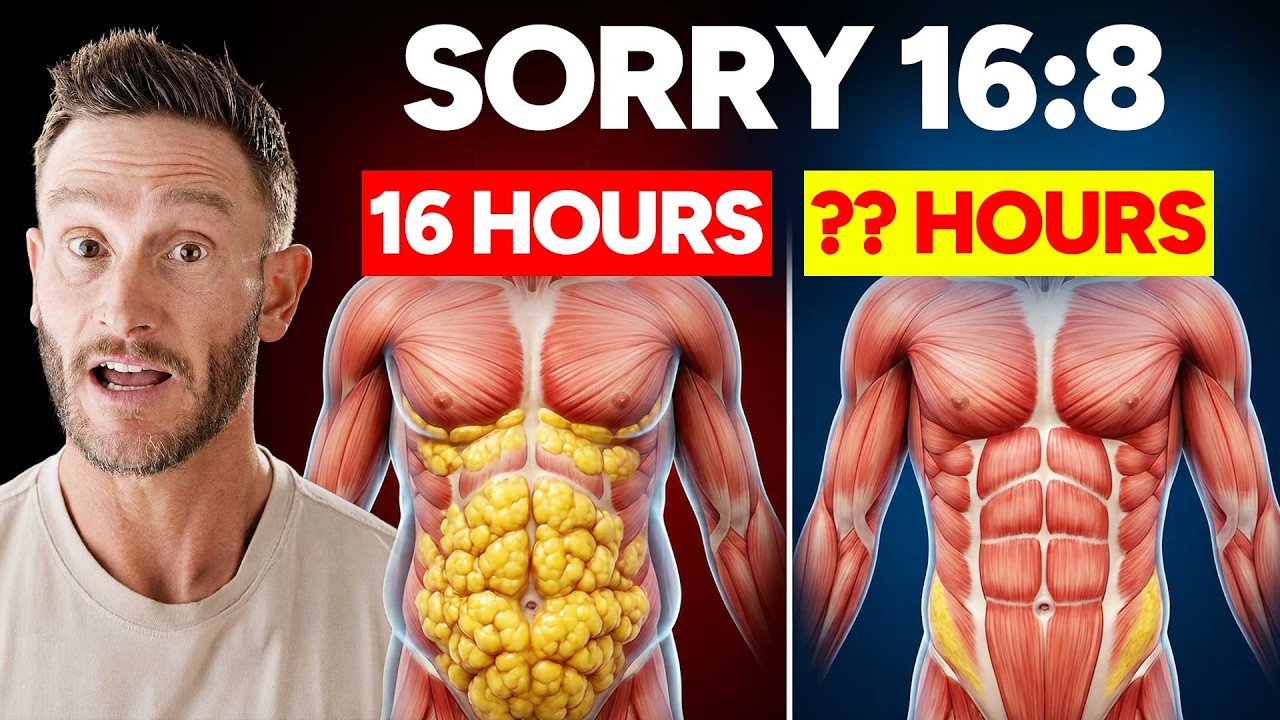
- Studies reveal optimal fasting lengths for muscle retention, fat loss, and cognitive enhancements.
- Fasting impacts metabolic health, insulin sensitivity, and overall well-being.
- The role of various fasting protocols in different populations and their outcomes.
- Practical implications for integrating fasting into daily life and exercise regimens.
- Future research directions and potential applications of fasting studies across disciplines.
Recent studies have highlighted the optimal fasting durations that can bolster muscle retention, accelerate fat loss, and enhance cognitive functions. The findings stem from a variety of research methodologies aimed at understanding how different fasting periods influence physiological and psychological parameters. Exploring fasting’s influence on body composition and brain health can inform dietary strategies for those looking to improve their overall health.
Fasting, as a practice, varies in duration and form. It can range from intermittent fasting, where eating is limited to specific time windows each day, to extended fasting periods that last several days. Each type has distinct implications for metabolic health, particularly regarding insulin sensitivity. Insulin sensitivity refers to how effectively cells respond to insulin, a hormone responsible for unlocking cells to allow glucose to enter. Improvements in this area can lead to better glucose regulation and lower risk of metabolic diseases.
Research outlines various fasting protocols, including 16:8, which involves 16 hours of fasting followed by an 8-hour eating window, and the longer 5:2 method, where caloric intake is restricted for two days of the week while maintaining normal eating patterns on the other five days. Each of these methods has its proponents and specific metabolic benefits. A deeper understanding of these protocols and their physiological impacts informs not just individual dietary choices but also broader public health recommendations.
One significant advantage of fasting is its ability to foster fat loss while sparing lean muscle mass. While caloric restriction typically leads to weight loss, it often doesn’t discriminate between fat and muscle loss. In contrast, studies reveal that when implemented correctly, fasting can promote fat oxidation while preserving muscle tissue. This is essential for athletes and active individuals who aim to maintain their physical performance and metabolic rate.
Hormonal responses during fasting play a crucial role in these benefits. For instance, fasting triggers an increase in norepinephrine, a hormone that facilitates fat breakdown, and growth hormone, which aids in muscle preservation. The interplay of these hormones during fasting periods becomes critical when considering specific fasting lengths that optimize these effects. Continuous research allows for the identification of fasting lengths that yield the most advantageous hormonal responses.
The cognitive benefits of fasting have also garnered attention. Emerging studies suggest fasting can enhance neuroplasticity—the brain’s ability to form new connections—while potentially reducing the risk of neurodegenerative diseases. Mechanisms such as increased production of brain-derived neurotrophic factor (BDNF) are linked to fasting. BDNF supports neuron growth and health, suggesting that strategic fasting can be a tool for cognitive enhancement.
While fasting presents numerous benefits, its applicability varies across different populations. For some, fasting isn’t viable due to lifestyle constraints, metabolic conditions, or personal preferences. Older adults, individuals with certain medical conditions, and those with a history of eating disorders may need alternative strategies for weight management and health optimization. Health professionals can assist in customizing dietary recommendations, ensuring individuals receive adequate nutrients while considering personal health statuses.
Integrating fasting into daily routines requires strategic planning. Balancing periods of fasting with exercise can magnify benefits. For example, exercising during the fasting phase can elevate fat oxidation rates and enhance insulin sensitivity. Conversely, some individuals prefer to eat before workouts to maintain energy levels. Understanding one’s own body and preferences remains essential in determining the most supportive fasting and exercise combination.
This exploration of fasting is not without its challenges. Some may experience side effects, especially at the onset of adopting a fasting regimen. Fatigue, irritability, or hunger pangs often accompany the initial adjustments. Educating individuals on managing these symptoms through hydration and gradual adaptation to longer fasting periods can aid in building long-term compliance and success.
Future research will likely dissect the nuances of fasting, including personalized fasting models that accommodate varying metabolic rates and health needs. Investigations will also focus on the impact of fasting on inflammation, gut health, and other chronic health conditions. As insights are gathered, dietary guidelines may evolve to integrate these findings for personalized nutrition, maximizing potential health outcomes.
As the body of research expands, it’s essential to stay informed about evidence-based practices. The role of technology—such as apps tracking fasting periods—can also support individuals in maintaining their dietary schedules. Social support and community engagement serve as vital components in promoting adherence and positivity regarding dietary changes.
Understanding the dimensions of fasting can lead to innovative applications in lifestyle management. Fasting can serve as a catalyst for improved health—not just in the immediate sense but as a long-term strategy promoting metabolic flexibility, cognitive resilience, and overall vitality. Enhanced awareness surrounding the benefits and methodologies of fasting can empower individuals to make informed choices aligned with their health goals.
Educational resources and continued research are pivotal in unraveling the complexities surrounding fasting, its benefits, and its implementation. As individuals seek optimal health strategies, fasting remains a prominent area of interest that merits further exploration and application across various demographics. The conversation around fasting reflects an evolving understanding of nutrition, lifestyle, and health, carving pathways towards more effective and sustainable dietary practices.
Through rigorous analysis and sharing insights, the community can pave the way for innovative approaches to fasting that accommodate an array of lifestyles while promoting muscle retention, fat loss, and brain health benefits. Exploring these relationships may reveal even more profound implications for dietary practices in both personal and public health contexts.
*****
Source Description
Get LMNT Electrolytes & Receive a FREE Sample Flavors Pack: http://drinklmnt.com/thomas
This video does contain a paid partnership with a brand that helps to support this channel. It is because of brands like this that we are able to provide the content that we do for free.
Click HERE to Subscribe: https://www.youtube.com/c/ThomasDeLauerOfficial?sub_confirmation=1
Check out TDL Clips for the best moments from the Thomas DeLauer Podcast: https://www.youtube.com/@TDLclips
Please Subscribe to my Email Newsletter Here: https://www.thomasdelauer.com/life-optimization-tactics/
Follow More of My Daily Life on Instagram: http://www.Instagram.com/ThomasDeLauer
Reference
https://nutritionj.biomedcentral.com/articles/10.1186/s12937-024-01046-9
Timestamps ⏱
0:00 – Intro
1:22 – Free Variety Pack of LMNT Electrolytes
2:17 – 16/8 Fasting vs Caloric Restriction
4:49 – Fasting Timeline – Hour by Hour
10:22 – Prolonged Fasting
13:09 – Increase Benefits of 16/8
18:43 – Why 20+ Hours Is Where the Magic Happens
19:15 – Reducing Visceral Fat & Fasting – Rhonda Patrick Interview