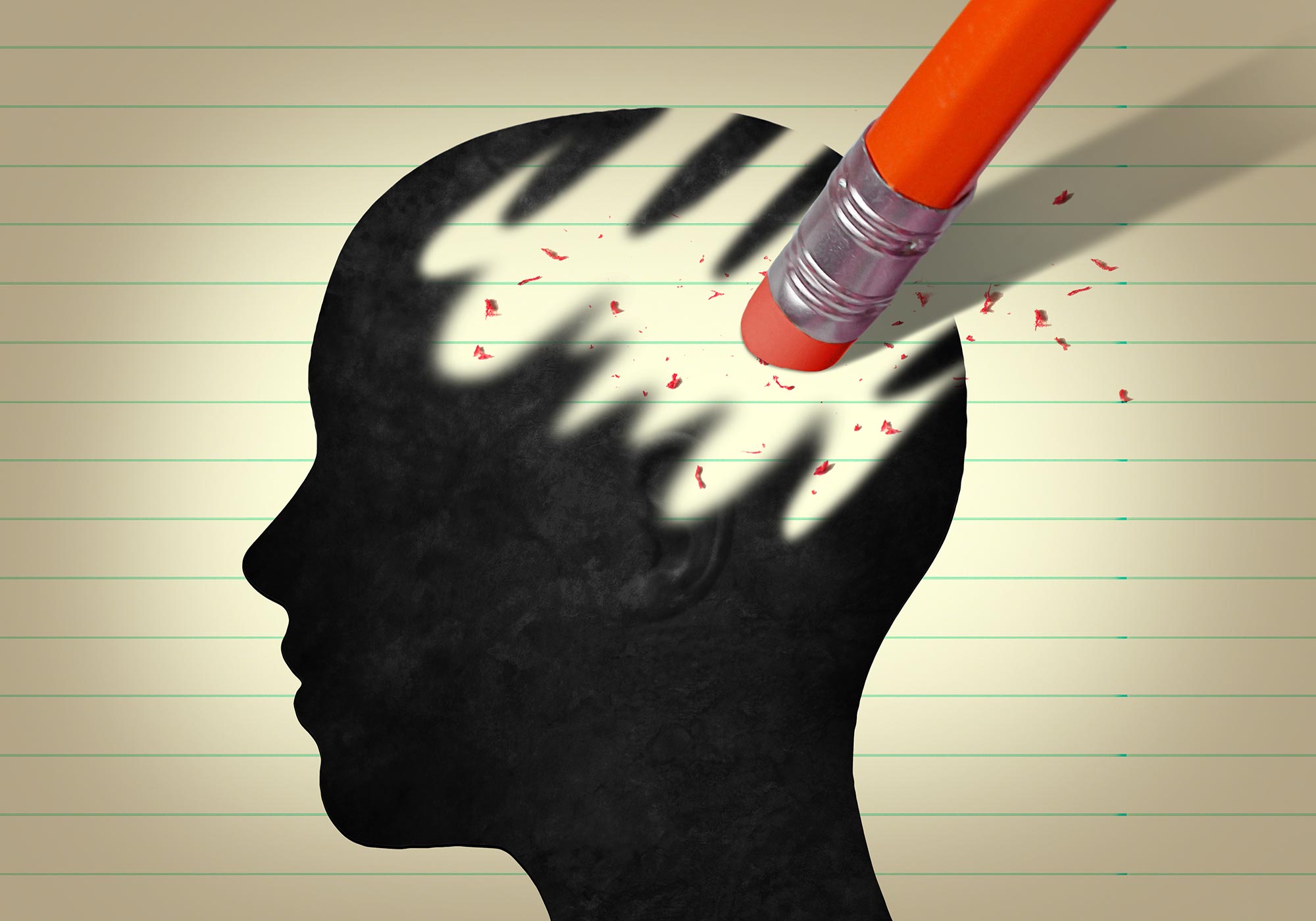
Summary of Stanford Scientists Reverse Age-Related Memory Loss by Targeting the Gut:
A recent study from Stanford Medicine and the Arc Institute reveals that age-related memory decline in mice may be influenced more by gut bacteria than by brain aging alone. The research found that changes in the gut microbiome as mice age can disrupt signals sent to the brain via the vagus nerve, impairing memory formation. When older mice underwent stimulation of the vagus nerve, they displayed improved memory functions similar to younger mice. This suggests that the gastrointestinal tract plays a significant role in cognitive health.
The study indicates that inflammatory responses caused by an aging gut microbiome can negatively impact brain function. Researchers are investigating whether similar mechanisms affect human cognition, aiming to find clinical applications to combat age-related memory decline. Future strategies may include modulating gut microbiome composition and vagus nerve activity to enhance cognitive capabilities.
*****
Summary Bullet Points:
- Stanford researchers have uncovered a surprising connection between gut health and memory formation, challenging traditional views on age-related cognitive decline.
- Changes in gut bacteria can impair signals through the vagus nerve, affecting the brain’s ability to form and retain memories.
- Stimulating the vagus nerve in older mice restored their memory capabilities to levels comparable to younger mice.
- The study emphasizes the role of the gut microbiome as a modulator of cognitive function and opens new avenues for potential interventions in humans.
- Future research aims to explore how these findings can inform treatments for age-related cognitive decline in people.
The Fascinating Gut-Brain Connection: Reversing Age-Related Memory Loss
For quite some time, the prevailing narrative around memory loss associated with aging has been largely anchored in the mysterious complexities of the brain. But recent revelations from scientists at Stanford Medicine and the Arc Institute have shifted the spotlight to an unexpected player: the gut. As it turns out, our memories may not just be a product of our brain’s internal processes but are intricately linked to the bustling community of microbes nestled within our intestines.
A groundbreaking study involving mice has unveiled that age-related memory decline might not stem solely from aging brain cells but could be influenced by the changes happening in the gut microbiome. This discovery could revolutionize the way we approach cognitive health, shifting the focus from the brain alone to a more holistic understanding of the interconnected systems within our bodies. Intrigued? Let’s dive deeper into this captivating subject.
Understanding the Gut-Brain Communication
At the core of this research lies the vagus nerve, often referred to as the body’s communication superhighway. This nerve connects the brain and the gastrointestinal (GI) tract, sending and receiving signals that influence various bodily functions. However, as we age, our gut microbiome — the diverse array of bacteria residing within us — undergoes changes that can impair these critical communications.
In the study, mice were observed for signs of cognitive decline as their gut bacteria shifted over time. Scientists noted that certain bacterial species had increased abundance in older mice, triggering inflammation that impeded signals traveling along the vagus nerve to the hippocampus. This brain region is pivotal for memory formation and spatial navigation. Essentially, a breakdown in communication between the gut and the brain could mark the beginning of memory insufficiency as people age.
Why Does Gut Health Matter?
So, why should we care about the health of our intestines in relation to our cognitive abilities? Well, evidence from the Stanford study points to the realization that promoting gut health may have far-reaching effects, not only on digestion or immune function but also on cognitive sharpness.
Christoph Thaiss, PhD, a senior author of the study, explains that the timeline of memory decline isn’t something unchangeable; it can be influenced and modified through our bodily functions. This is a game-changer for how we think about age-related memory loss. The research suggests that the gut is a critical regulator of cognitive processes, essentially acting as a remote control for our brain.
The Surprising Role of Gut Microbes
The researchers conducted experiments that housed young (2-month-old) mice with older (18-month-old) mice, allowing for a mix of microbiomes. The results were eye-opening. Young mice exposed to the gut bacteria of their older counterparts started exhibiting signs of cognitive decline; they showed less interest in new objects and struggled with maze navigation. A direct correlation emerged between their performance and the quality of their microbiomes.
Moreover, germ-free mice — those raised without any gut bacteria — retained memory abilities even as they aged. However, when these young mice were colonized with gut bacteria from older mice, their cognitive function plummeted. Just as fascinating, treating these young mice with broad-spectrum antibiotics reversed the cognitive slowdown, allowing them to regain their youthful interest in unfamiliar items and successfully navigate mazes.
The Mechanism Behind Cognitive Loss
As Thaiss and his team dissected why these changes occurred, they drew connections to the bacterial species known as Parabacteroides goldsteinii, which becomes more prevalent in aged mice. When introduced to younger animals, this bacterium directly correlated with poorer memory performance. Researchers also discovered that increased levels of medium-chain fatty acids, resulting from changes in gut bacteria, led the immune cells in the gut to initiate an inflammatory response. This, in turn, hindered the vagus nerve’s signaling to the brain, thus impairing memory formation.
Remarkably, when older mice were treated with a vagus nerve-activating molecule, their cognitive abilities returned to those of younger mice. This demonstrated a three-step pathway through which cognitive decline unfolds: gut aging, microbial shifts, and resulting inflammation that impairs gut-brain communication.
Exploring Potential Treatments
Feeling intrigued yet? The implications of this research are extensive. If these findings hold true in humans, we could witness a shift in how we approach age-related cognitive decline. Instead of seeing it as a fixed aspect of aging, we might regard it as an adaptive process that can be influenced through lifestyle changes, dietary adjustments, or perhaps even pharmaceuticals that target gut microbiome balance.
Currently, the researchers are delving into human studies to see if the same pathways they identified in mice could operate in humans. If confirmed, strategies such as vagus nerve stimulation, which is already FDA-approved for treating various conditions, could be repurposed to combat memory decline in people.
The Journey Ahead
As you reflect on these discoveries, consider how easily we overlook our gut health. The promise of improved cognitive function might be achievable through actions as simple as modifying diet, taking probiotics, or finding effective ways to reduce inflammation. The key lies in understanding that every part of our body is interconnected.
While the science is still in its early stages, one thing is crystal clear: the gut-brain connection will likely play a pivotal role in future conversations around cognitive health and aging. So, the next time you think about your well-being, remember the vibrant community of microbes within you and the profound influence they may exert over your memories and mental clarity.
Concluding Thoughts
The findings from this study unveil a captivating narrative — the potential for reversing cognitive decline through the lens of gut health. Imagine a future where dietary changes or targeted therapies can sustain our sharpness well into our golden years. It’s not only about the brain anymore; it’s about embracing a holistic approach to health.
In a world that often prioritizes surface-level solutions, these insights dig deeper, urging us to reconsider our approach to aging and cognitive function. As scientists continue to explore these promising connections, one wonders how our lives might transform with a renewed focus on the captivating interplay between our gut and our brain.
The journey of discovery underscores a vital lesson: perhaps in nurturing our gut, we may just find pathways to rejuvenating memories, sparking creativity, and enriching lives. The narrative of aging is still being written, and with every new finding, we come closer to unraveling the secrets of the human body — a beautiful blend of gut instinct and cerebral insight poised to redefine how we live and grow old gracefully.