Summary of Scientists Use Smartwatch Data To Track the Hidden Health Effects of Air Pollution:
A recent pilot study from The City University of New York demonstrates that combining wearable devices, GPS tracking, and real-time surveys can effectively monitor the direct health impacts of heat and air pollution on individuals. The study involved participants wearing Fitbits and completing mood assessments while researchers analyzed their environmental exposure based on movement. Results indicated that higher exposure to heat and pollutants linked to physiological changes and emotional responses.
Notably, increased nitrogen dioxide exposure correlated with heart rate variability issues and higher sulfur dioxide levels led to feelings of nervousness and hopelessness. Interestingly, greater heat exposure was associated with reduced sadness, potentially due to increased outdoor activities. The findings suggest that real-time environmental monitoring can offer personalized health insights, paving the way for enhanced preventive medicine strategies.
Researchers advocate for larger studies to validate these initial findings, particularly concerning vulnerable populations. This innovative approach integrates consumer technology with environmental health research and could ultimately improve clinical decision-making for patients affected by environmental conditions.
*****
Summary Points:
- Researchers at The City University of New York are employing wearable devices and GPS tracking to assess the real-time health impacts of air pollution and extreme heat.
- The study innovatively combines wearable technology with ecological momentary assessments to gather immediate data on physiological and emotional responses.
- Findings show complex relationships between environmental conditions and health metrics, suggesting the potential for personalized health monitoring.
- The pilot study is a foundational step towards utilizing consumer technology in preventive medicine and broader public health applications.
- As climate change intensifies, understanding these connections becomes crucial for protecting vulnerable populations.
Real-Time Monitoring: The New Frontier in Environmental Health
In an era where everyone seems to be wearing a smartwatch or fitness tracker, the potential of these devices extends far beyond step counts and heart rates. A groundbreaking study from The City University of New York (CUNY) has ignited conversations about the hidden health implications of air pollution and extreme heat. Imagine having the ability to see how your environment influences your health on a daily basis. It’s not just futuristic thinking; it’s happening now.
This study, published in JMIR Formative Research, showcases how combining wearable tech with real-time surveys and GPS tracking can help us uncover the intricate and often unseen effects of environmental factors on our health. The brilliance of this approach isn’t just in the data it collects, but in how it dynamically interacts with our real lives.
The Drive Behind the Research
We live in a world where climate change isn’t a distant threat; it’s a daily reality. Cities are getting warmer, air quality is degrading, and vulnerable populations are disproportionately affected. Researchers, led by Sameera Ramjan and Melissa Blum, focused on this pressing issue. They understood that to grasp the full impact of environmental changes, more comprehensive methods needed to be employed—methods that could capture the nuances of human experience amid these stressors.
"People move through many different environments each day, and this approach lets us capture that in real time,” Ramjan noted, emphasizing the need for a responsive research mechanism capable of documenting fluctuations in health as they happen.
The Intersection of Tech and Health
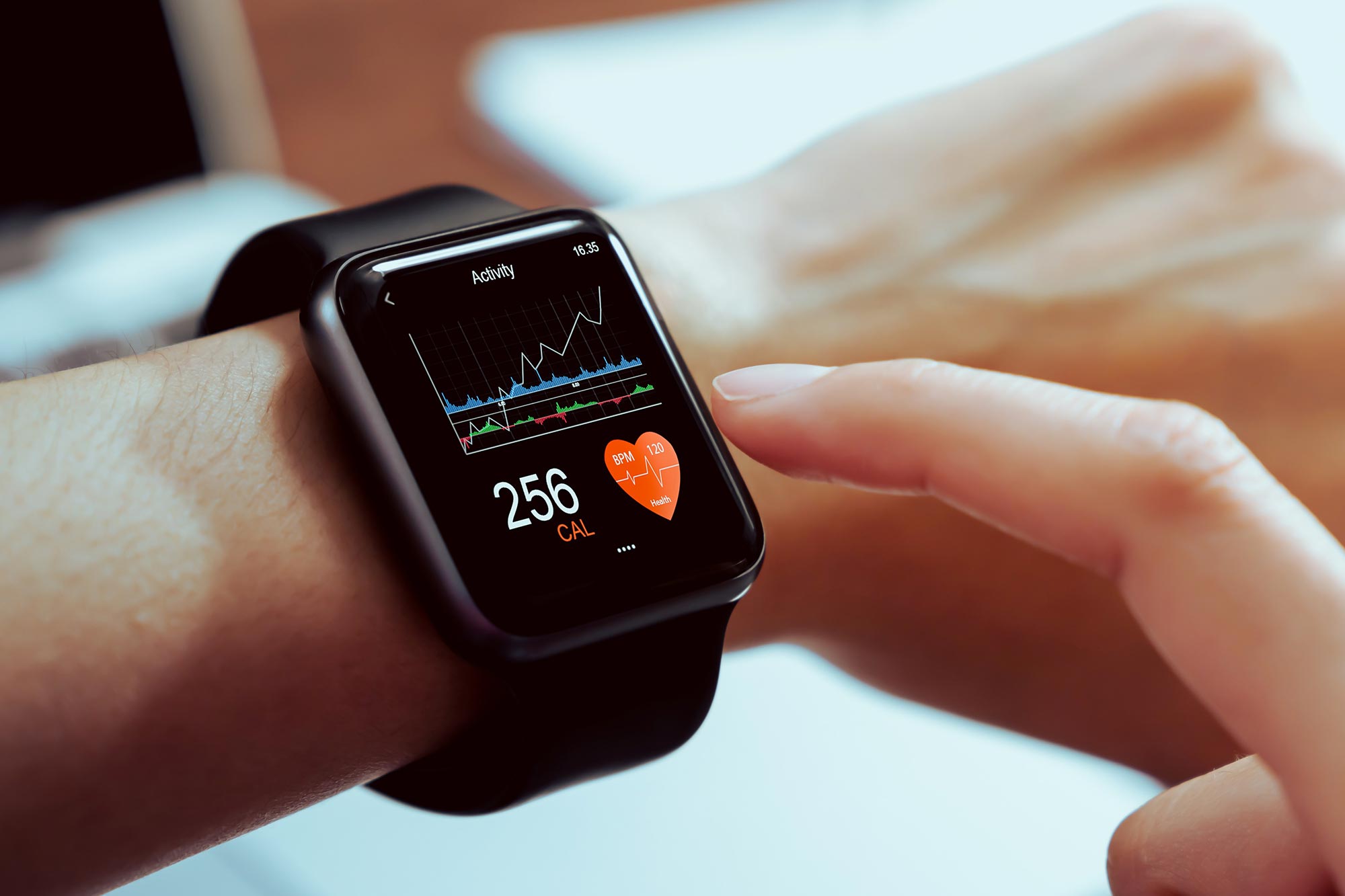
How exactly do researchers execute this intricate dance of data? Participants in the study wore Fitbit smartwatches for about a month, recording their physiological data, and engaged in ecological momentary assessments (EMAs)—essentially, short surveys about their mood and feelings—multiple times a day. Their movements, tracked via smartphone GPS, provided a detailed map of their exposure to various environmental conditions, including pollutants like nitrogen dioxide and sulfur dioxide.
The results were enlightening. Higher exposure to heat and nitrogen dioxide correlated with changes in heart rate variability, a critical metric that indicates how well our bodies manage stress. Surprisingly, participants reported lower sadness during extreme heat periods, possibly linked to more outdoor activity and social interaction—a fascinating twist to the conventional understanding.
Discovering Patterns in Real-Time
The preliminary findings shed light on the dynamic interplay between our environments and emotional well-being. Ramjan and her fellow researchers identified that increased exposure to air pollutants resulted in heightened feelings of nervousness and hopelessness, reinforcing the need for better monitoring solutions.
Blum, a medical student, highlighted the significance of their findings: “Even in a small pilot, we could see that the relationship between environmental conditions and people’s physiological and emotional responses is more complex than traditional methods can capture.” Rather than relying on static monitoring systems, this method places the emphasis on individualized exposure profiles.
The Future of Personalized Health Monitoring
Why should we care? Because this study demonstrates a powerful convergence of consumer technology and scientific inquiry that opens doors to tailored health solutions. Imagine walking into your doctor’s office with real-time data about how air quality is affecting your health or mood—it’s a game-changer.
Nomura, a distinguished professor, pointed out that this research is merely the beginning. "To our knowledge, this is the first study to combine wearable devices, ecological momentary assessment, and continuous GPS tracking to measure environmental exposures and their immediate health impacts," he stated. This points toward a future where personalized medicine becomes the norm, rather than the exception.
Addressing Vulnerability
As the world grapples with the repercussions of climate change, certain populations will feel the brunt of its impacts more acutely. Children, pregnant individuals, and those in lower socioeconomic brackets are particularly at risk. Understanding how environmental exposures influence their health could help in crafting better public health policies and interventions.
For instance, if data suggests that heat exposure negatively impacts a child’s development, measures can be taken to modify their environments accordingly. That’s the beauty of personalized health data: it empowers individuals and communities to take proactive measures.
Strengthening Public Health Strategies
But what comes next? The researchers are aware that their pilot study is just a stepping stone. They aim to expand their research, incorporating lessons learned to improve participant engagement and compliance. The goal is to build a robust system that can later contribute to larger studies, backed by organizations like the National Institutes of Health (NIH).
In the context of public health, this research could revolutionize how we approach patient care. Instead of broad generalizations about air quality and health impacts, healthcare providers could leverage individual data to guide treatment plans. "Improving how we measure exposure is a critical step toward protecting public health," Nomura emphasizes, conveying hope for the impact this research could achieve.
The Bigger Picture: Climate Change and Health
Climate change isn’t just an environmental issue; it’s a health crisis. As we face rising temperatures and deteriorating air quality, studies like this illuminate how intimately connected our health is to our surroundings.
The concept of tracking health effects in real-time acts as a powerful reminder that we are not merely passive observers of our environment; we are active participants, impacting and influenced by the air we breathe and the heat we endure. The implications here stretch beyond personal health; they beckon a collective responsibility to advocate for cleaner air and healthier environments.
Engaging the Community
This research is a call to action. As individuals, understanding these dynamics opens avenues for advocacy. We can support policies aimed at reducing air pollution and enhancing community health. Imagine intense support for local green spaces or advocacy for cleaner energy solutions. Our collective efforts could lead to tangible improvements in public health—not just today, but for generations to come.
As engagement in research carves ways for new technologies, it’s also essential that communities are included in these discussions. Individual stories, perspectives, and lived experiences will shape the future of environmental health studies.
Conclusion: The Road Ahead
The journey from pilot study to concrete applications will be paved with challenges, but the potential for personalized environmental health monitoring is a tantalizing prospect. While we’re still in the early phases, the path toward integrating technology into health outcomes is clearer than ever.
Every heartbeat, every breath, and every emotion we experience is intricately woven into the fabric of our environment. As we continue to explore these connections, let us remain curious, engaged, and proactive. The more informed we become, the better we can navigate not only our health journeys but also the landscapes shaping them.
This is a time for empowerment—both from within and as a collective—and the fusion of technology and science is guiding the way. The future looks promising, and we are all invited to be part of this transformation.
In an age of smart devices and growing environmental challenges, remembering that each of us plays a role is crucial. Let’s embrace this opportunity for growth, awareness, and action for the sake of our health and our planet. The horizon may be filled with uncertainty, but through understanding and collaboration, we can illuminate our path forward.