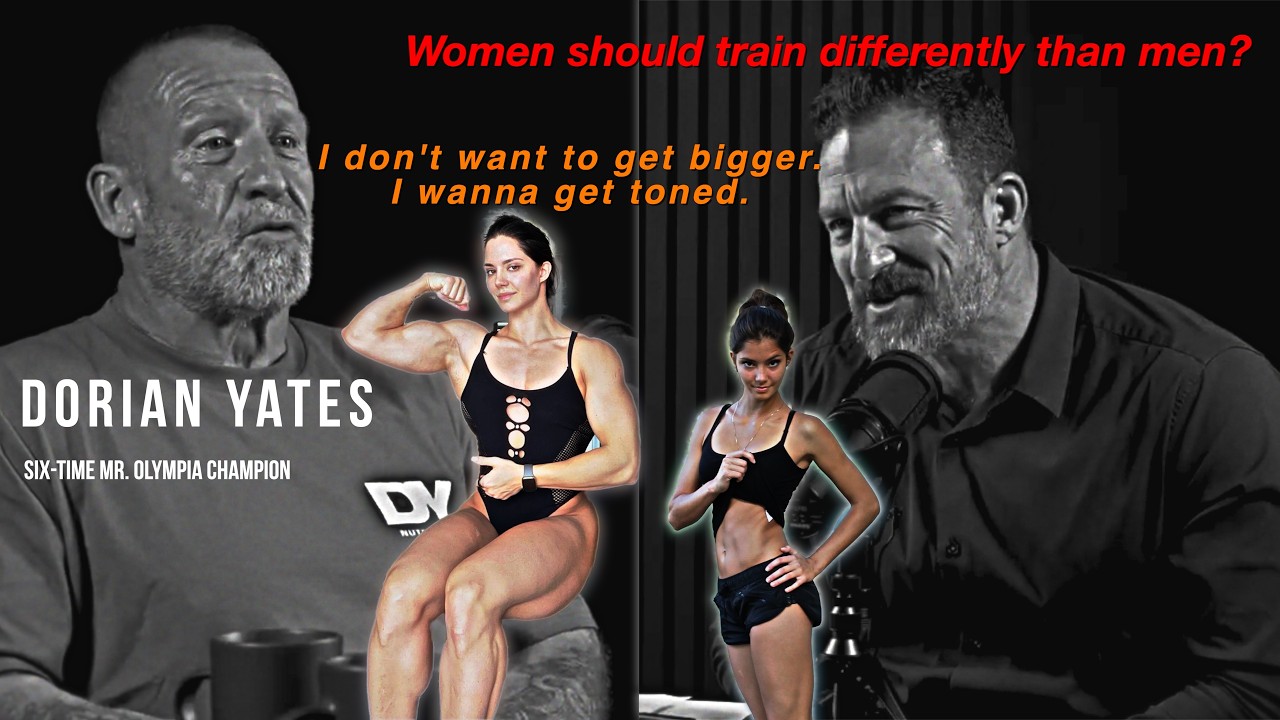
- Biological differences necessitate distinct training methodologies for women and men.
- Hormonal variations influence training outcomes, recovery, and performance.
- Nutritional strategies should complement training regimens tailored to individual physiology.
- Understanding metabolic health is crucial for optimizing fitness results for women.
- Psychological factors play a significant role in fitness motivation and adherence.
Biological differences play a pivotal role in shaping the appropriate training methodologies for women and men. While both sexes can benefit from exercise, differences in body composition, muscle fiber distribution, and hormonal profiles suggest that women might need a personalized approach to achieve optimal results. For instance, women tend to have higher body fat percentages and different muscle-to-fat ratios compared to men. This necessitates modifications in exercise selection, intensity, and overall volume.
Hormonal variations are fundamental in differing training outcomes, recovery rates, and performance levels. Women naturally possess different levels of estrogen and progesterone, which fluctuate across menstrual cycles. Estrogen contributes to muscle recovery, fat metabolism, and bone density, while progesterone can influence energy levels and fat distribution. These hormonal shifts can affect how women respond to training stimuli and how they recover post-exercise. Therefore, understanding one’s cycle may provide insights into the best times to engage in high-intensity workouts versus recovery-focused sessions.
Nutrition is another crucial aspect that complements fitness, particularly for women. Nutritional strategies should be aligned with individual physiology and training regimens. Women need to focus on adequate protein intake to support muscle synthesis, especially after resistance training. Carbohydrates are equally essential, serving as the primary energy source for workouts. The timing of nutrient intake can also enhance performance and recovery. For example, consuming protein and carbohydrates shortly after exercise may aid muscle recovery more effectively.
Understanding metabolic health is vital for optimizing fitness results among women. Various factors, including insulin sensitivity, can significantly impact energy utilization and fat storage. Women often experience unique metabolic responses compared to men, influencing how they lose or gain weight. Insulin sensitivity may fluctuate due to hormonal levels, dietary choices, and physical activity. Higher insulin sensitivity generally improves the body’s ability to use glucose effectively, facilitating better energy levels during physical activity. During training, it’s essential to consider how diet impacts insulin levels and metabolic pathways.
Finally, psychological factors also contribute to fitness motivation and adherence. Women may encounter societal pressures and expectations that shape their attitudes towards exercise and body image. Understanding these influences is crucial for promoting a more positive fitness journey. Emotional resilience, self-efficacy, and social support can encourage women to stay committed to their training regimens, even when faced with challenges.
Going beyond general fitness advice, Dorian Yates and Andrew Huberman provide insights that underscore the rationale behind why women should avoid training like men. Their perspectives highlight how individualized approaches can lead to more effective outcomes. Diverse training programs incorporating resistance and aerobic exercises, aligned with the hormonal phases, can enhance both well-being and performance.
In strength training, focusing on compound movements, such as squats and deadlifts, can be beneficial for building muscle tone without excessive bulk. These exercises can help increase strength and metabolic rate. Integrating lighter weights with higher repetitions can also enable muscle endurance without overwhelming the body, especially during specific menstrual phases.
A pivotal concept emerging in training discussions is the importance of periodization. Women can utilize this training model to adapt workouts to their cycles, emphasizing heavier lifting during the follicular phase when energy and hormonal levels are generally higher. Conversely, lower intensity during the luteal phase may allow for better recovery and prevent burnout. This cyclical approach can lead to sustained progress while also prioritizing well-being.
Nutrition must be fine-tuned to align with fluctuations in energy levels and training intensity. For example, during the follicular phase, caloric needs may rise due to higher energy expenditure. Conversely, during the luteal phase, women may experience cravings and fluctuations in mood. Strategies such as pre-emptively adjusting macro ratios can help balance these changes. Increased fiber intake can also manage satiety and blood sugar levels, optimizing mood and energy.
Addressing metabolic health is crucial for women engaging in fitness training. Research indicates that metabolic diseases, such as diabetes, can show varied onset and progression rates between genders. Insulin sensitivity, a critical marker of metabolic health, can also be enhanced through consistent exercise combined with a balanced diet. Incorporating high-intensity interval training (HIIT) can significantly improve insulin sensitivity and overall metabolic function. This type of training, particularly when performеd consistently, can facilitate fat oxidation and encourage lean muscle mass development.
Women aiming to achieve specific fitness goals need to define their objectives meticulously. Whether the focus is on strength, endurance, or aesthetic goals, clarity can guide training approaches and nutritional strategies. Women might benefit from regular assessments of performance and recovery, ensuring adaptations in both training and dietary patterns align with their evolving needs.
Listening to the body is a valuable skill women can develop. Recognizing signs of fatigue, higher stress levels, or hormonal fluctuations provides insight into when to push harder and when to focus on recovery. Strategies, such as active recovery days or yoga, can also support hormonal balance and resilience. This awareness fosters a healthier relationship with exercise.
Additionally, the role of society in shaping fitness journeys cannot be overlooked. Social networks can offer support and camaraderie, promoting a positive environment conducive to achieving fitness goals. Engaging in community activities, whether through classes or group workouts, can enhance accountability and motivation.
Collaboration between the realms of training, nutrition, metabolic health, and psychological well-being lays the foundation for a holistic approach to women’s fitness. Drawing on valuable discussions from thought leaders like Dorian Yates and Andrew Huberman encourages women to prioritize personalizing their fitness journeys rather than conforming to generalized training templates. By understanding the science and individuality of their bodies, women can create effective workouts and supportive dietary patterns that align with their unique needs.
Specific strategies, such as consulting fitness professionals experienced in women’s health, can provide individualized insights that empower women to make informed decisions about their training. Professionals can aid in assessing body composition, metabolic rate, and overall health, offering customized advice for nutrition and exercise.
Furthermore, exploring various training modalities beyond traditional gym settings can enrich the fitness experience. Practices like dance, martial arts, or outdoor activities can be enjoyable and stress-relieving, making physical activity an engaging part of daily life instead of a chore.
Integrating mindfulness habits, such as meditation or breathwork, into training regimes can enhance mental focus and resilience. These practices, when combined with physical activity, can help women connect to their training on a deeper level, fostering longevity in their fitness pursuits.
Incorporating regular check-ins with tailored assessments of progress, mood, and energy levels can inform future training directions. This ongoing engagement allows women to shift their focus dynamically based on day-to-day requirements rather than being entrenched in static patterns that may lead to fatigue and burnout.
Support from peers and mentors can significantly impact the fitness journey. Women can benefit from sharing experiences and strategies, fostering an environment rich with motivation and encouragement. Social media communities and local fitness groups can help provide opportunities for connection and learning.
As women navigate their fitness paths, embracing a flexible approach will offer resilience and adaptability to life’s unpredictabilities. Understanding that training is not a one-size-fits-all model is essential for creating sustainable routines that prioritize both fitness goals and individual well-being.
*****
Source Description
#longevity #makeamericahealthyagain
This clip discusses training differences between men and women from the Andrew Huberman Podcast, featuring Dorian Yates.
“Let’s get 1% better every day.” If this helped you, leave a like and comment your thoughts—I read every comment.
” If you have a body, you are an athlete. ”
Let’s become 1% better every day.
Thank you for visiting my channel.
This channel is all about longevity, health, and becoming stronger every day.
My goal is to improve 1% every day together with you
thank you again and god bless you.
Don’t forget to like this video, subscribe to our YouTube channel.
and ring the notification bell so you never miss a future upload https://youtube.com/channel/UCjmLrICmaBsmWPzPMb01RjA?si=Ntd6qgYqRvUaWu3u
MUSIC FROM
@Infraction
www.youtube.com/@UCkRrhwhJ2Ia_ZlkTQ4XFWJA
podcast clip from
@hubermanlab
https://www.youtube.com/ @hubermanlab
Fair Use Disclaimer
1. Under section 107 of the Copyright Act 1976, allowance is made for “fair use” for purposes such as criticism, commenting, news reporting, teaching, scholarship and research. Fair use is a use permitted by copyright statute that might otherwise be infringing. Non-profit, educational or personal use tips the balance in favor of fair use.
2. We do not own the rights to all content. They have, in accordance with fair use, been repurposed with the intent of educating and inspiring others.
We must state that in no way, shape or form are we intending to infringe rights of the copyright holder.
3. Content used is strictly for research and education, all under the Fair Use law.