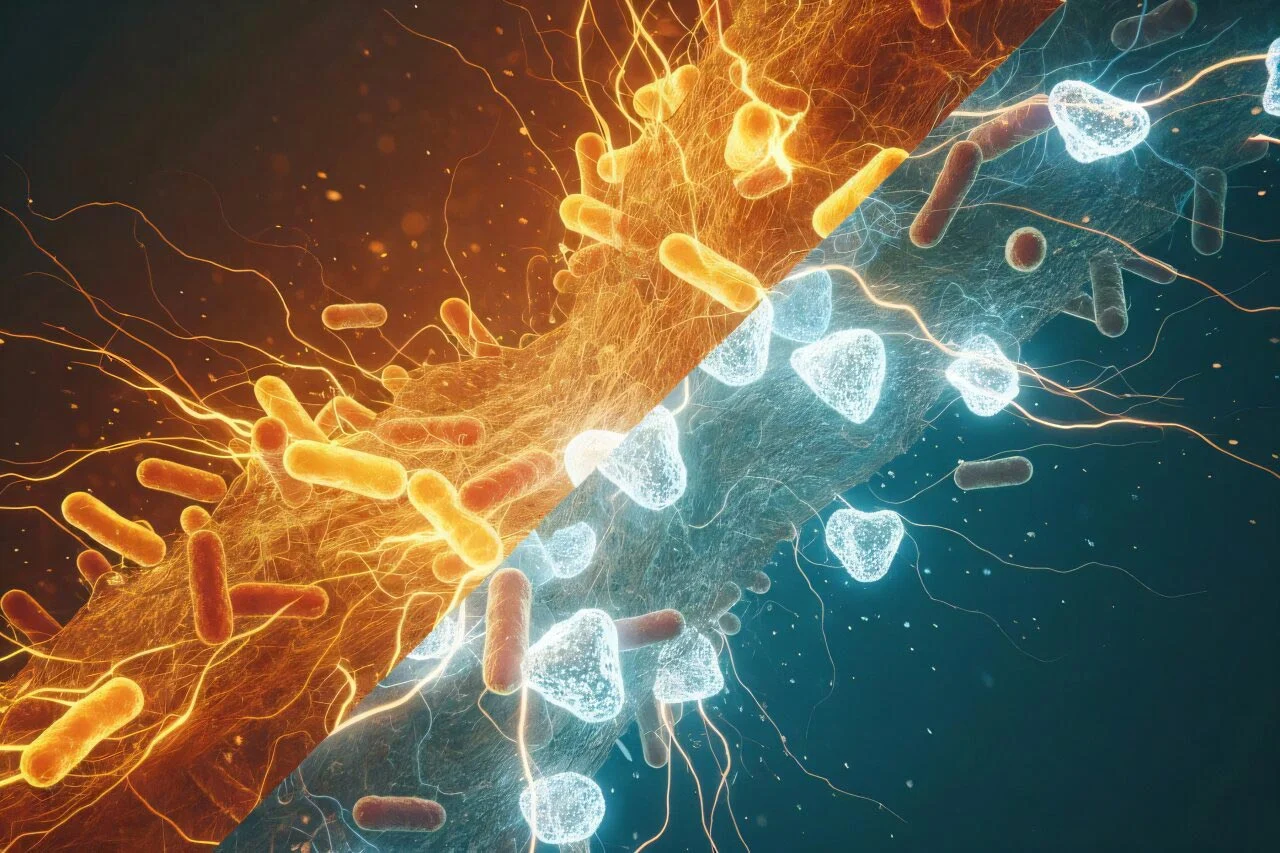
Summary of Scientists Discover How To “Hack” Bacterial Conversations To Prevent Gum Disease:
Researchers at the University of Minnesota discovered that disrupting the chemical communication among oral bacteria could prevent dental diseases. Bacteria in the mouth communicate using signaling molecules called N-acyl homoserine lactones (AHLs), influencing the growth of health-associated versus disease-associated species. Their study revealed that removing AHL signals promoted healthier bacterial communities in dental plaque. They found that oxygen levels significantly impacted this balance, with different roles for bacterial signaling above and below the gumline. The findings suggest potential new therapies to maintain a healthy oral microbiome by strategically managing bacterial communication instead of eradicating bacteria altogether.
*****
Summary Bullet Points:
- Scientists have discovered a way to alter bacterial communication in the mouth to help prevent gum disease.
- The study focuses on a process called quorum sensing, where bacteria use chemical signals to coordinate their behavior.
- Disruption of these signals using specific enzymes can favor health-associated bacteria, maintaining a healthier oral microbiome.
- The research emphasizes the importance of oxygen levels in influencing bacterial communities and their roles in oral health.
- The next steps aim at developing therapies that enhance beneficial bacteria rather than eliminate entire populations, offering potential broader applications for maintaining microbiome balance in the body.
Unlocking the Secrets of Bacterial Communication: A New Frontier in Oral Health
Imagine a bustling city of tiny microorganisms—each one communicating, collaborating, and sometimes clashing. This is the invisible world of oral bacteria, where the balance between health and disease can hinge on the simplest of chemical conversations. Recent research has painted an exciting picture of how we might "hack" these conversations to promote dental well-being, transforming the way we view oral health. Let’s explore this fascinating frontier of science and discover what it means for you.
The Hidden World of Bacteria
You might think of bacteria as the villain in your mouth, the pesky perpetrators behind cavities and gum disease. However, the truth is more nuanced. Within the intricate ecosystem of your oral cavity, some bacteria are allies, helping maintain health and balance. Their effectiveness is largely dictated by how they communicate.
At the heart of this interaction is a process known as quorum sensing—a remarkable strategy used by bacteria to gauge their population density, coordinate actions, and adapt to their environment. They rely on signaling molecules, specifically a family called N-acyl homoserine lactones (AHLs), to exchange information. This communication system isn’t trivial; it dictates whether bacteria will thrive in harmony or wreak havoc, causing gum inflammation and breakdown.
The Journey of Discovery: University of Minnesota Research
A team of researchers from the University of Minnesota’s College of Biological Sciences and School of Dentistry sought to explore this hidden language of bacteria. Their groundbreaking findings have the potential to reshape our understanding of oral health and disease.
By examining how oral bacteria release AHLs, they made a remarkable discovery: these signals can infiltrate oxygen-rich areas—above the gumline—yet still reach bacterial communities thriving in oxygenscarce environments beneath the gumline. This suggests a complex dialogue occurring within a challenging habitat.
What causes this intricate ballet of bacterial growth and communication? Researchers found that by introducing lactonases—specialized enzymes capable of breaking down AHLs—they could tilt the balance in favor of bacteria linked to better oral health.
The Role of Oxygen in the Bacterial Battle
Oxygen availability plays a pivotal role in shaping this bacterial community. Think of it as the lighting in a theater, affecting the mood of the performance. When these researchers cut off AHL signaling in an oxygen-rich environment, species known for promoting health flourished, while decreasing the presence of harmful bacteria.
Conversely, introducing AHLs in oxygen-scarce environments led to the proliferation of "late colonizers"—those bacterial species closely associated with periodontal disease. As one of the lead researchers, Rakesh Sikdar, noted, “Quorum sensing may play very different roles above and below the gumline.” This revelation has profound implications, revealing that the same signals that promote health in one context can encourage disease in another.
Toward Holistic Therapies
What does this mean for the future? Rather than deploying a war-like approach against all bacteria, we could develop strategic therapies that nudge the oral microbiome toward health. This pivot in thinking—moving from destruction to manipulation—opens exciting new avenues for treatment.
Consider this—a therapy designed to maintain the right balance of beneficial versus harmful bacteria could transform the landscape of dentistry. Imagine visiting your dentist and receiving not just a cleaning but a personalized approach to harmonizing your oral microbiome. Isn’t that an inspiring thought?
The Bigger Picture: Beyond Oral Health
While the immediate application of this research focuses on gum disease, the implications extend far beyond oral health. Our bodies are home to trillions of bacteria—a vast microbiome that affects everything from digestion to mental health. The concept of guiding microbial populations to support overall well-being could revolutionize healthcare as a whole.
By understanding the chemical communications underlying these microbial communities, we may uncover methods for combatting other conditions linked to dysbiosis—imbalances in our microbial inhabitants. From chronic inflammation to certain cancers, the potential applications of this research are staggering.
Reframing Our Relationship with Bacteria
As we delve deeper into this rabbit hole of bacterial communication, it’s essential to acknowledge how we perceive these microorganisms. The ongoing war against bacteria, fueled by antibiotics and antiseptics, often overlooks the nuanced role many play in our health. Recognizing that some bacteria are beneficial can shift our approach—from combat to coexistence.
The challenge now lies in execution. Can we harness this newfound understanding to create practical solutions? Can we develop therapies that respect the complexity of our microbiome while still providing effective treatments for diseases like gum disease? These questions are not just scientific dilemmas but also call for a re-examination of our broader health philosophies.
Conclusion: A Call to Awareness
This exciting journey into the microbial world serves as a reminder that health is often more complex than binary viewpoints of good or bad. Instead of seeing bacteria solely as enemies, we can learn to navigate their relationships more intelligently.
By embracing the dynamic interactions within our bodies, we pave the way for innovative approaches to health care that reflect the sophistication of our biology. As researchers continue to unfurl the layers of bacterial communication in the mouth, this could be the dawn of a new era not just for oral health, but for holistic wellness.
Let this knowledge inspire you to cultivate a more profound awareness of your own health. Every action you take— from what you eat to how you think—can contribute to the vibrant community of organisms within you. The conversation between you and your microbiome is ongoing, and it’s up to you to engage positively.
As we stand at the threshold of this new frontier in science, let’s remind ourselves that every small innovation holds the potential to lead to big change. So, whether it’s brushing your teeth, eating a balanced diet, or simply engaging with information about your health, remember: you are part of a much larger story—a tale of life, collaboration, and resilience. Let’s make it a good one.
