Summary of Scientists Discover Neural Basis of Schizophrenia and Bipolar Disorder:
Researchers have utilized lab-grown brain organoids to study neuronal malfunctions linked to schizophrenia and bipolar disorder. These pea-sized models allow for deeper insights into the subtle differences in neural communication patterns compared to healthy brains, which may help improve diagnostic accuracy and reduce reliance on trial-and-error treatment approaches.
The study, published in APL Bioengineering, involved reprogramming cells from patients to create these organoids. Machine learning techniques analyzed their electrical activity, revealing distinct electrophysiological features that enable accurate identification of disorders. Initial findings suggest a potential accuracy of 83%, which improved to 92% with additional stimulation.
The research aims to develop personalized treatment options by testing drug effects on the organoids, which could lead to quicker and more effective treatment strategies. While the initial study involved only 12 patients, the approach holds promise for future psychiatric therapies.
*****
Summary of Key Points
- Researchers used lab-grown brain organoids to investigate the neural underpinnings of schizophrenia and bipolar disorder.
- The study highlighted distinct patterns of electrical activity in these organoids, potentially leading to more accurate diagnoses of psychiatric conditions.
- Machine learning tools were crucial in analyzing neural signatures, achieving an accuracy rate of up to 92%.
- The findings open doors for personalized psychiatric treatments, reducing trial-and-error periods for medication.
- Collaboration with neurosurgeons and psychiatrists could pave the way for clinical applications that benefit patients significantly.
Understanding the human brain has always been a tantalizing undertaking, one filled with enigma and wonder. Recently, scientists have embarked on a groundbreaking journey, using innovative methods to dissect the complex tapestry of psychiatric disorders like schizophrenia and bipolar disorder. Imagine sulking through an immense maze, only to stumble upon a guiding light—the use of lab-grown brain organoids has illuminated pathways previously obscured by uncertainty.
By harnessing the power of neural tissue cultivated from stem cells, researchers are unlocking the mysteries hidden within our mental landscapes. For countless individuals around the globe, these conditions can induce profound suffering, characterized by erratic mood swings or debilitating realities. Yet, diagnostic processes are often rudimentary at best, primarily relying on clinical judgment without a concrete understanding of underlying biological mechanisms.
The Lab-Grown Brain Wonder
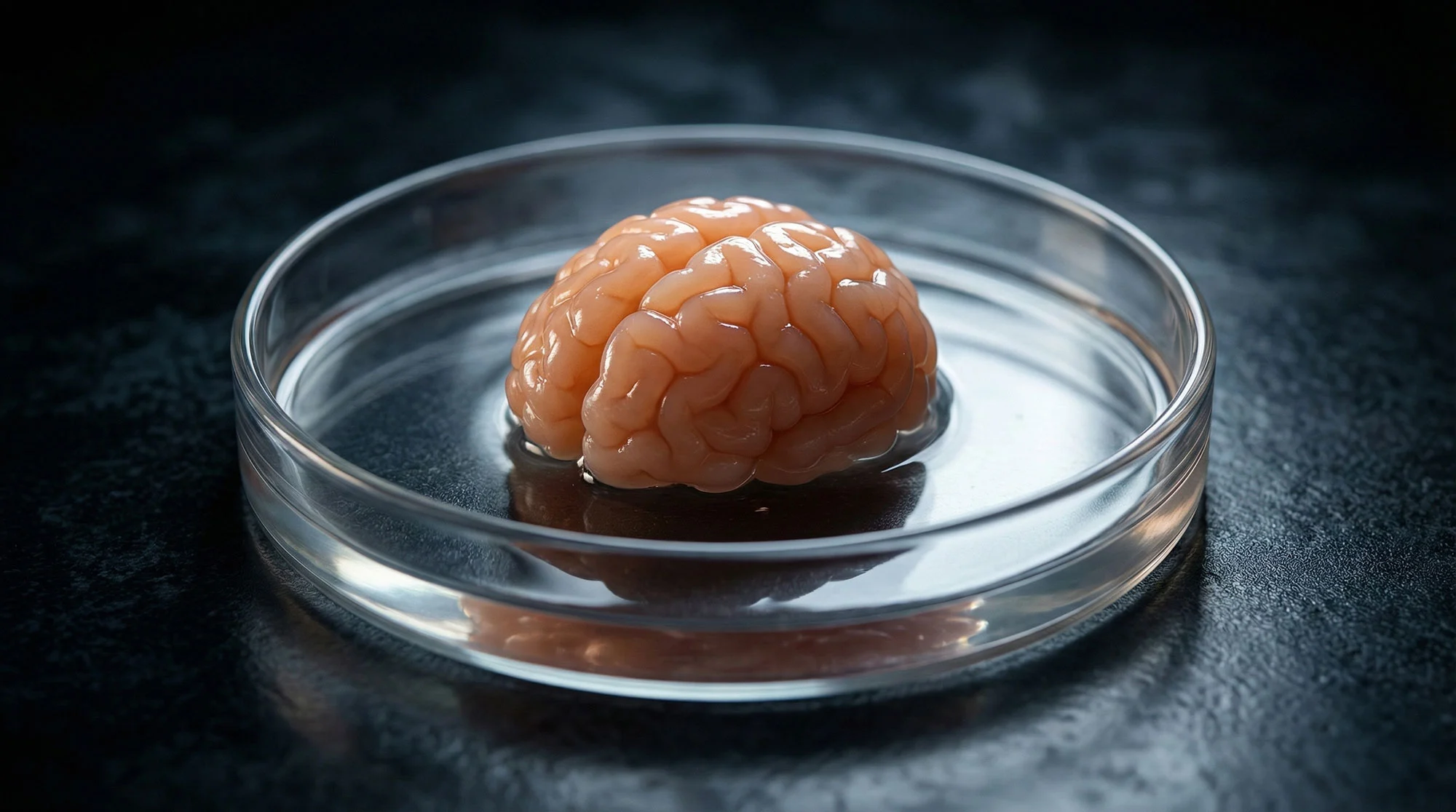
So, what exactly are these brain organoids? Picture small, pea-sized models of the human brain, crafted from patient-derived stem cells—these minuscule maps of neural architecture have become vessels of hope for understanding psychiatric disorders. Essentially, blood and skin cells from individuals affected by schizophrenia and bipolar disorder are reprogrammed into stem cells that can form these brain-like structures. They hold the promise of revealing intricate details about how neurons may malfunction, ultimately guiding treatment strategies.
Research led by Annie Kathuria from Johns Hopkins University represents a leap forward in neuroscience. It’s not the first time lab-grown tissues have been utilized for scientific inquiry, but it certainly showcases how advanced technology can reshuffle our notion of treatment protocols.
Decoding the Neural Language Using Machine Learning
Kathuria and her team adopted intriguing methodologies, employing machine learning tools to plumb the depths of electrical activity within these organoids. Imagine a complex language; the neurons within our brains communicate through electrical signals, creating a symphony of interaction that can be dissected and understood.
Their analysis revealed patterns of firing that were distinct not only between healthy brains and those linked to current psychiatric disorders but also uniquely indicative of schizophrenia and bipolar disorder. Through this meticulous electrical dance, researchers could identify these conditions with an astonishing accuracy of 83%. Further stimulation of the organoids allowed this accuracy to soar to 92%.
Think about this for a moment. The differentiation is so precise that these neural signatures not only open a pathway for diagnosis but also serve as beacons in the development of strategies for personalized treatment.
Insights into the Disorder-Specific Electrical Signatures
Delving deeper, the research demonstrated that specific features in the electrical activity serve as biomarkers for schizophrenia and bipolar disorder. This is a significant breakthrough; it means that science can differentiate between various psychiatric disorders on a molecular level, potentially reducing the stigma that often accompanies mental illness.
As researchers observed distinct neural firing spikes and timing changes, they recognized that these novel signatures revealed complex electrophysiological behavior unique to each disorder. The neural networks constructed within these organoids not only mimic their naturally occurring counterparts but also reveal how incredibly intricate and interwoven our neural connections are.
The Significance Beyond Science
But why does this encompass more than just academic acclaim? The real-world implications could reshape psychiatric care as we know it. Traditionally, medications used to treat these disorders often hinge on a trial-and-error basis, where patients might undergo protracted periods of ineffective treatments before discovering what actually works for them—if they ever do.
Imagine a world where personalization becomes the norm. What if clinicians can utilize organoid technologies to test medications tailored specifically to an individual’s unique neural configuration? This method could minimize the frustrating wait times associated with finding effective treatments, thus accelerating recovery for countless patients yearning for stability.
The Road Ahead: Bridging Research and Clinical Practice
To solidify this promise, Kathuria’s team is not working in isolation. They are collaborating with neurosurgeons and psychiatrists at Johns Hopkins School of Medicine to gather blood samples from psychiatric patients. This will permit a broader testing framework, examining how various drug concentrations might influence organoid conditions.
Envision this scenario: doctors can assess responses from these organoids in real-time, swiftly determining which treatment strategy may be most advantageous for a specific patient. Weeks of uncertainty could transform into days, shifting the paradigm for mental health care.
The implications resonate beyond the laboratory; organizations and practitioners might soon find it necessary to recalibrate their approaches to diagnosis and treatment. With every study, with every successful organoid experiment, we inch closer to developing a methodology that does not just treat but understands the core of what goes wrong with the human brain.
The Call for Multidisciplinary Engagement
The collaboration between various fields—neuroscience, psychiatry, engineering, and data science—serves as a vivid reminder that complex problems often require multifaceted solutions. As Kathuria remarked, spotting what goes awry at a molecular level while comparing brain activity across healthy and mental disorder-stricken individuals is akin to piecing together a grand mosaic. Each organoid serves as one tile, revealing a fraction of a larger, interconnected story.
Every breakthrough in this domain could transcend its initial context, reaching into the realms of sociology, ethics, and public policy. Mental health stigma needs dismantling, and one inviting solution could lie in the increased visibility of scientific advancements like these organoids. By embracing the scientific community’s progress, society can champion a more nuanced understanding of mental health disorders.
A Vision for the Future
As we stand on the precipice of a new era in mental health research, there’s a collective sense that we are comprised of stories woven together by the human experience. Mental health isn’t simply a category to diagnose; it’s a complex interplay of emotions, histories, and neurological functions. With ongoing exploration into synthetic biology and the neural basis of psychiatric disorders, we embark on a journey that could redefine how we perceive and treat mental illness.
Each finding brings us closer to a future where every person battling these conditions might find timely intervention, compassionate understanding, and effective treatment as part of their healing journey.
The path forward requires tenacity and openness to explore new horizons in science, weaving innovation into the fabric of healthcare. The world holds its breath, waiting for the day when the words “schizophrenia” and “bipolar disorder” no longer carry the weight of misunderstanding, but instead stand as testament to our tireless pursuit of knowledge, compassion, and healing.
As we embrace and celebrate the breakthroughs in understanding mental health, let each of us contribute to fostering an environment of support and empathy. For when knowledge is empowered and shared, people can reclaim agency over their mental wellness. The journey is far from over, and the possibilities are as vast as the labyrinthine pathways within the human brain itself. Together, let’s navigate this exciting horizon, unlocking the doors to better mental health for all.