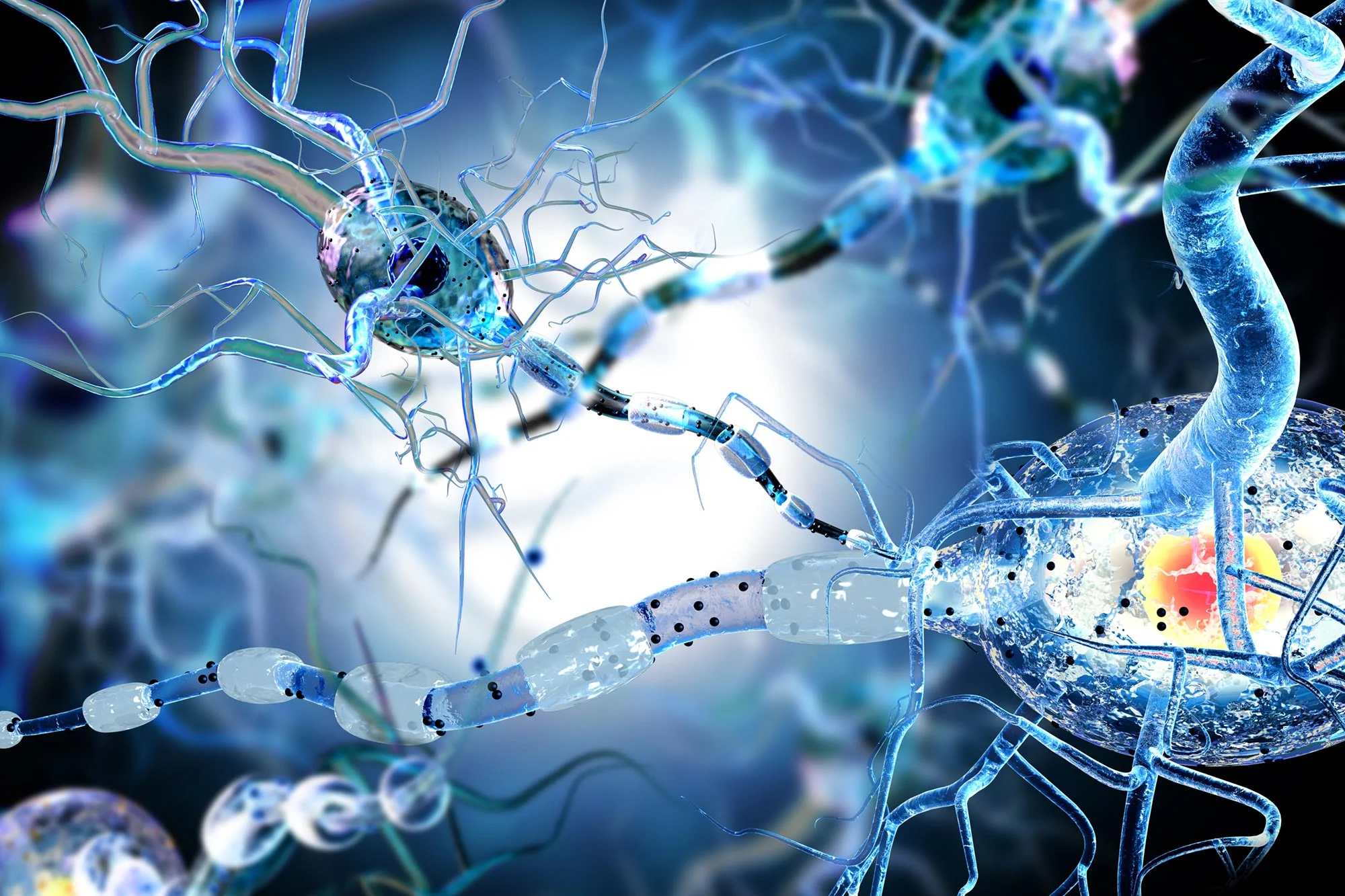
Summary of Scientists Discover How Multiple Sclerosis Kills Brain Cells:
Recent research has uncovered a significant mechanism behind multiple sclerosis (MS), focusing on DNA damage in cortical neurons. While traditional MS studies have concentrated on myelin, this new understanding highlights that brain cell loss—particularly in neurons crucial for cognition—may be linked to inflammation-induced DNA damage. Researchers from UC San Francisco, the University of Cambridge, and Cedars-Sinai Medical Center identify specific neurons (CUX2) that are particularly vulnerable to this damage. Their studies suggest that protecting these neurons could lead to new treatment approaches for MS by addressing gray matter degeneration, which has been underestimated in past research. This discovery opens a new avenue for potential interventions in slowing the progression of MS.
*****
Summary Bullet Points
- Recent research reveals that DNA damage within neurons is a crucial factor in the progression of multiple sclerosis (MS).
- This study challenges the previous focus on myelin and highlights the significance of protecting gray matter neurons.
- The involvement of inflammation in accelerating DNA damage points to new treatment pathways.
- A specific gene, CUX2, is identified as a marker for vulnerable neurons, offering a potential target for therapies.
- The collaboration between institutions underscores the importance of interdisciplinary approaches in scientific breakthroughs.
Uncovering the Mechanisms of Multiple Sclerosis: A Journey into the Brain
Multiple sclerosis (MS) has long captivated the attention of medical research, a complex disease that intertwines with the very fabric of human cognition and memory. While traditional narratives have primarily centered around myelin—the protective sheath enveloping nerve fibers—new research is unearthing a hidden layer of complexity. Scientists have begun to illuminate an underappreciated aspect of MS: the integral role of DNA damage in neurons. This revelation not only refines our understanding of the disease but also paves the way for exciting new treatment opportunities.
The Conundrum of Progression
In recent studies conducted by researchers from UC San Francisco, the University of Cambridge, and Cedars-Sinai Medical Center, it was uncovered that neurons in the brain’s cortex slowly succumb to death due to DNA damage amplified by inflammation. This realization fundamentally reshapes how we view MS, moving away from an exclusive focus on the damage done to myelin, and urging us to consider the vital role of gray matter—the regions of the brain concentrated with neurons.
As MS progresses, MRI scans reveal more than just the expected lesions in the bright white matter. Lesions permeate the gray matter, often coinciding with severe cognitive impairments and significant physical disability. This shift in understanding is crucial, as it highlights the urgency of protecting neurons themselves.
The DNA Damage Revelation
The cornerstone of the recent studies lies in the discovery that inflammatory processes, instigated by MS, result in detrimental chemical reactions leading to DNA damage within neurons. Researchers investigated neurons marked by a gene called CUX2, examining their response to developmental stress and subsequent inflammation. To the astonishment of many, the presence of inflammation led to a significant accumulation of DNA damage, compromising the ability of these crucial cells to thrive.
Imagine watching a delicate tapestry unraveling thread by thread; this is how the intricate web of connections in the brain frays when inflammation wreaks havoc. Gaining insights into how these neurons manage DNA stress is akin to discovering a previously hidden toolkit that could aid in repairing this frayed tapestry.
The Role of CUX2 Neurons
CUX2 neurons emerged from the research as a focal point, akin to the proverbial “canary in the coal mine” for MS. These neurons are particularly susceptible to damage, yet they hold an overlooked potential for safeguarding the broader network of neurons. When scientists noticed that these neurons were among the first to fall victim to DNA damage, it raised an important question: could we devise strategies to fortify these cells against attacks?
Steve Fancy, a leading researcher in this realm, postulates that understanding the mechanics of DNA repair, particularly the role played by the stress-response gene ATF4, may provide a pathway toward safeguarding the vulnerable CUX2 neurons. During neuronal development, ATF4 helps maintain chromosome stability, ensuring that as cells rapidly divide and forge connections, they do not succumb to the pressures surrounding them. This connection paves the way for innovative therapeutic approaches that target the mechanisms underlying DNA damage.
Inflammation: The Double-Edged Sword
Inflammation is often viewed through a dual lens: it can act as a natural defense mechanism but can also cause extensive harm when it spirals out of control. In the context of MS, inflammation serves as a double-edged sword. While it prompts the immune system to act against perceived threats, it can also inflict damage on healthy neural structures. The fine balance between healing and harm becomes a focal point for future research.
As inflammation triggers a cascade of chemical reactions contributing to DNA damage, the protective mechanisms that neurons rely upon during development become overwhelmed. This dual-edged nature of inflammation highlights the necessity for therapies that can modulate this response, fostering an environment where neuronal health can flourish.
New Frontiers in Treatment
What does this mean for MS treatment? The implications are profound and multifaceted. Instead of solely aiming at remyelination, the new paradigm emphasizes the significance of directly protecting gray matter neurons. By arming neurons with the tools to repair DNA damage, researchers hope to develop therapies that can change the trajectory of MS.
Imagine tapping into an innovative reservoir of therapies that not only halt the progression of cognitive decline but perhaps even reverse it. This tantalizing possibility emerges from the intersection of research on neuroinflammation and DNA repair mechanisms.
The Commitment to Progress
The research collaboration illustrates something more significant than the scientific findings themselves: the power of interdisciplinary partnerships. Teams composed of experts from various fields working towards a common goal can accelerate the pace of discovery in ways that isolated efforts may not achieve. This synergy cultivates a fertile ground for finding solutions to seemingly insurmountable challenges.
For individuals navigating the complexities of MS, the strides being made in understanding the disease may serve as a beacon of hope. The acknowledgment that DNA damage presents a tangible avenue of intervention invites optimism. Through continued research, armed with an innovative approach focused on neuroprotection, we inch closer to not only slowing the disease’s pace but potentially unlocking the door to cognitive resilience.
Looking Ahead
As we reflect on this research journey, it’s essential to recognize that knowledge is evolving; the science of neurodegeneration is multifaceted, and each revelation compels us to reconsider our preconceived notions. Just as the brain adapts and rewires itself, our strategies for combating diseases like MS must evolve, adapting to new information and insights.
The findings from the studies bring forth a call to action—not just for researchers, but for anyone affected by MS or interested in mental health and neurological disorders. Embracing the unknown can foster innovation, and believing in the possibility of breakthroughs can inspire change.
Cultivating a Vision of Resilience
The narrative surrounding neuroscience, particularly in relation to diseases such as MS, embodies more than just clinical facts; it reflects the intricate dance of hope and resilience. Every new discovery offers a piece of the puzzle, urging individuals, caregivers, and communities to engage in the dialogue surrounding mental and cognitive health.
The journey is far from complete, but in the landscape of potential therapies and understanding, there lies a profound opportunity for growth, connection, and healing. Each step forward in science inspires a ripple effect across lives, transforming not only individual fates but the very future of how we approach neurological conditions.
By cultivating an environment where scientists, patients, families, and advocates converge, we foster a culture imbued with optimism and determination. As we piece together the complex puzzle of MS and its impact on the brain, let this journey inspire us to recognize the collective power inherent in shared knowledge and experience.
In this collaborative spirit, intertwined with the understanding of DNA damage and inflammation, we find a crucial reminder—a testament to human resilience and the quest for understanding. And so, as we venture forth into the unknown, filled with potential and hope, let’s embrace the journey and support one another in seeking pathways toward a brighter, healthier future.
The ongoing narrative in multiple sclerosis is not merely one of loss but one of insight, ingenuity, and hope. Together, we are not just witnessed to science unfolding, but also part of an exciting movement toward a more hopeful tomorrow.

