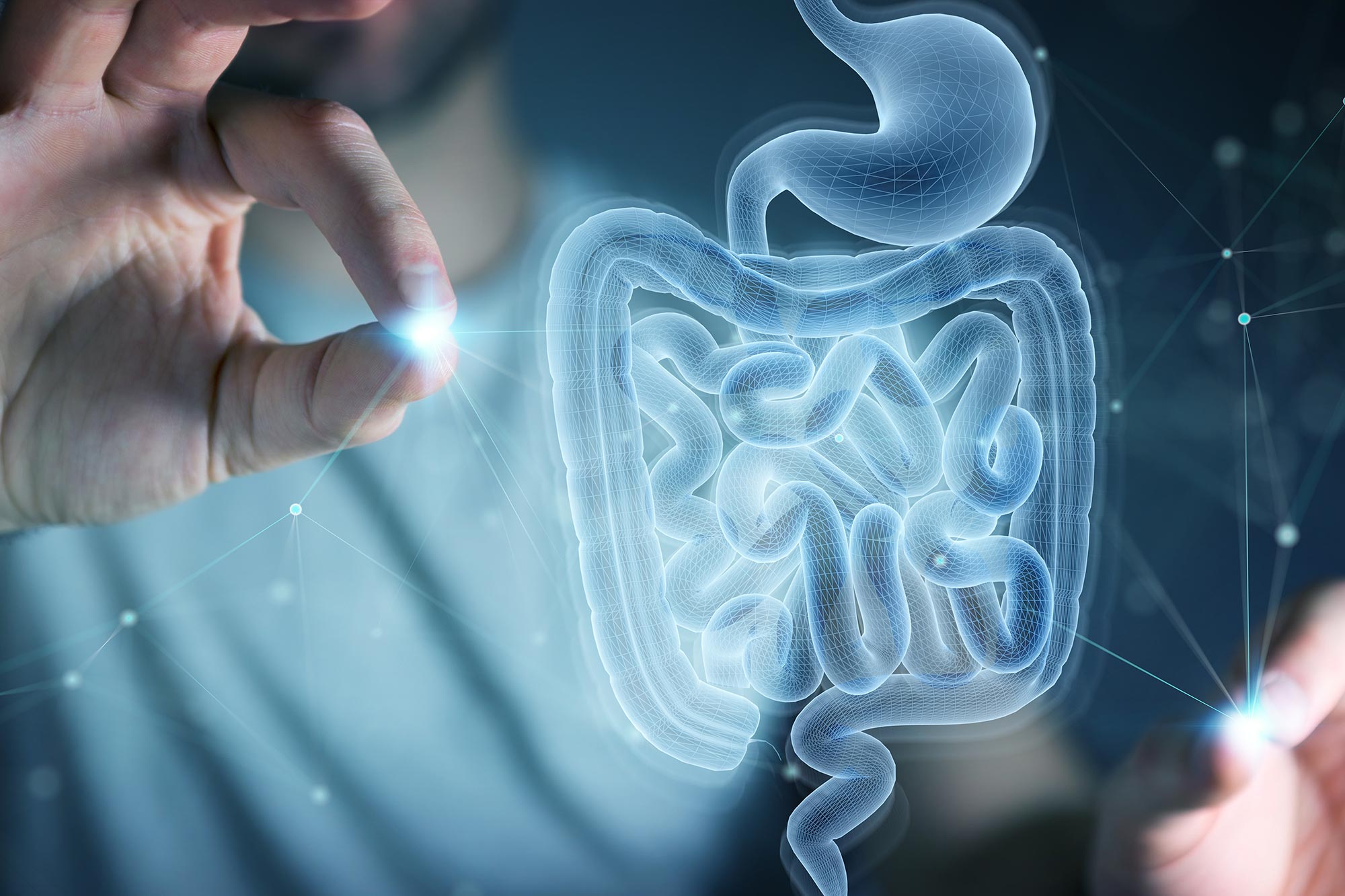
Summary of Scientists Reverse Key Signs of Gut Aging With Surprising Biological Transfer:
Researchers are exploring the role of gut microbiota in aging, discovering that younger microbial communities can enhance the regenerative abilities of aged intestinal tissue. A study published in Stem Cell Reports revealed that introducing microbiota from young mice into older mice activated intestinal stem cells, leading to faster healing after injury. As we age, the balance of beneficial gut microbes shifts, decreasing vital signals that aid regeneration. While current findings are promising, the researchers caution that further studies are needed to determine the safe application of these results in humans, particularly regarding fecal microbiota transfer techniques.
*****
Summary Bullet Points
- Microbial Impact: The age of gut microbes may influence gut health and aging, highlighting a fascinating link between microbiota and regenerative biology.
- Research Findings: A study involving mice provides insights into how younger microbial communities can rejuvenate aging intestinal stem cells, leading to improved healing.
- Future Implications: The potential for fecal microbiota transfer to restore gut function opens new avenues for understanding health and longevity, though more research in humans is needed.
- The Role of Commensal Microbes: Aging alters the balance of beneficial gut microbes, affecting the signaling that supports tissue regeneration.
- Collaborative Research: A partnership between researchers in the U.S. and Germany underpins these revelations, showcasing innovative approaches to microbial therapy.
The Surprising Connection Between Gut Aging and Microbial Youth
Imagine a world where the secrets to rejuvenating our aging bodies lay not in the latest creams or engineered medicines, but in the microscopic inhabitants of our intestines. Recent research is unveiling remarkable connections between gut microbes and our body’s aging processes, especially within the intricate ecosystem of the gut. This area of study is not merely academic; it hints at powerful new strategies for enhancing health and vitality as we age.
The gut is often dubbed the “second brain” due to its complex interactions and significant role in our overall well-being. In recent years, scientists have turned their focus to the gut’s microbial community, which consists of trillions of bacteria that perform vital tasks, from digestion to immune defense. One of the most fascinating aspects of this research involves understanding how the age of these microbes can influence our own aging.
A Closer Look at Microbial Age
A groundbreaking study published in Stem Cell Reports brings to light how younger microbial communities can invigorate aging intestinal stem cells (ISCs). Researchers from Cincinnati Children’s Hospital and Ulm University carried out experiments revealing that introducing microbiota from young mice into older mice stimulated the activity of their ISCs, dramatically enhancing the regenerative potential of their intestines.
Isn’t it astounding to consider that the condition of your gut could potentially affect how swiftly or efficiently your body heals? Over time, as we age, our bodies naturally become less adept at replacing damaged tissues. This decline can lead to an increased risk of various gastrointestinal conditions and overall less resilient health.
The study’s lead researcher, Dr. Hartmut Geiger, emphasizes that the regenerative functionality of gut tissues becomes impaired as we grow older. However, introducing younger bacteria could turn back the clock in a way, enabling aging intestines to function like their younger counterparts. The ramifications of this finding could reshape how we think about treating age-related health issues.
The Lost Art of Gut Balance
Aging isn’t the sole factor contributing to gut health decline. A closer inspection shows that aging disrupts the balance of beneficial (commensal) bacteria necessary for optimal gut function. These microbes engage in constant communication with the intestinal stem cells, providing essential signals that regulate their activity. When these signals diminish due to an aging microbial community, the regenerative capacity of ISCs declines, often leading to a cascade of health issues.
Interestingly, the study underscored that simply adding probiotics or prebiotics from over-the-counter sources may not yield the same rejuvenating effects. Instead, the researchers employed precise, controlled bacterial communities, which raises questions about the general applicability of available supplements.
This highlights an important consideration: our understanding of gut health must evolve. Rather than relying solely on accessible grocery store products, we may need to look toward more targeted interventions, such as fecal microbiota transfer, to tap into the restorative power of younger microbiota.
The Fascinating World of Fecal Microbiota Transfer
Fecal microbiota transfer (FMT) might sound off-putting, yet it carries immense potential for therapeutic application. This technique involves transferring the gut bacteria from a healthy individual into the intestines of another, potentially restoring a more youthful gut environment. Think of it as a natural rebalancing act; this approach could have profound implications for treating a host of health conditions influenced by gut microbiota, including obesity, diabetes, and even certain neurological conditions.
As the study suggests, when older microbiota are replaced with those from younger counterparts, the result is a remarkable rejuvenation of the intestinal lining. This might not only lead towards better gut health but may also encourage a more vibrant overall health picture. One can’t help but ponder the implications for aging populations, who often find themselves seeking effective solutions to combat the effects of time.
The Road Ahead: Research and Real-World Applications
While the implications of these findings are exhilarating, the cautionary note from the researchers should not be ignored: translating these results from mice to humans requires extensive further investigations.
Future studies need to uncover whether similar effects can be observed in human populations, identify safe and effective dosages, and delineate the best combinations of microbial species for such transfers to be successful. As with any scientific breakthrough, practicality is key.
Imagine the incredible potential if this research leads to innovative treatments that not only slow down the effects of aging but also enhance the quality of life. A future where gut health is prioritized could signify a turning point in how we understand aging itself, placing an emphasis on maintaining a thriving microbial ecosystem within us.
Encouraging Mindset: Aging with Grace
As we delve into the woefully underestimated world of gut microbiota and its influence on aging, let’s embrace a mindset geared towards proactive health management. It’s not merely about boiling down our lives to numbers or years but about how we feel, how well our bodies function, and how this can be influenced profoundly by the unseen inhabitants of our gut.
Learning about the intricate links between the gut microbiome and aging not only serves to enlighten us but beckons us to take charge of our health through informed choices. While the science continues to develop, mindful practices such as maintaining a balanced diet rich in fiber, whole foods, and fermented items can encourage a thriving gut environment today.
With every bite of fermented kimchi or a spoonful of yogurt, we can foster a gut community that supports our health and vitality, paving the way for potential breakthroughs. As we evolve alongside this new understanding, let curiosity guide us.
Conclusion: Embracing the Unknown
In these explorations of gut health and aging, we stand on the precipice of remarkable possibilities. While questions remain and research is nascent, optimism and proactive engagement in our health can harness the emerging insights the scientific community is unveiling.
So let us embrace this journey of discovery with open minds and open hearts, ready to transform how we think about aging, health, and the fascinating microcosm residing within each of us. In this intricate partnership between host and microbe lies the profound potential for rejuvenation—not just in our guts, but in our lives as a whole.
