Summary of Scientists Achieve Long-Sought Breakthrough Toward Oral Insulin Pills:
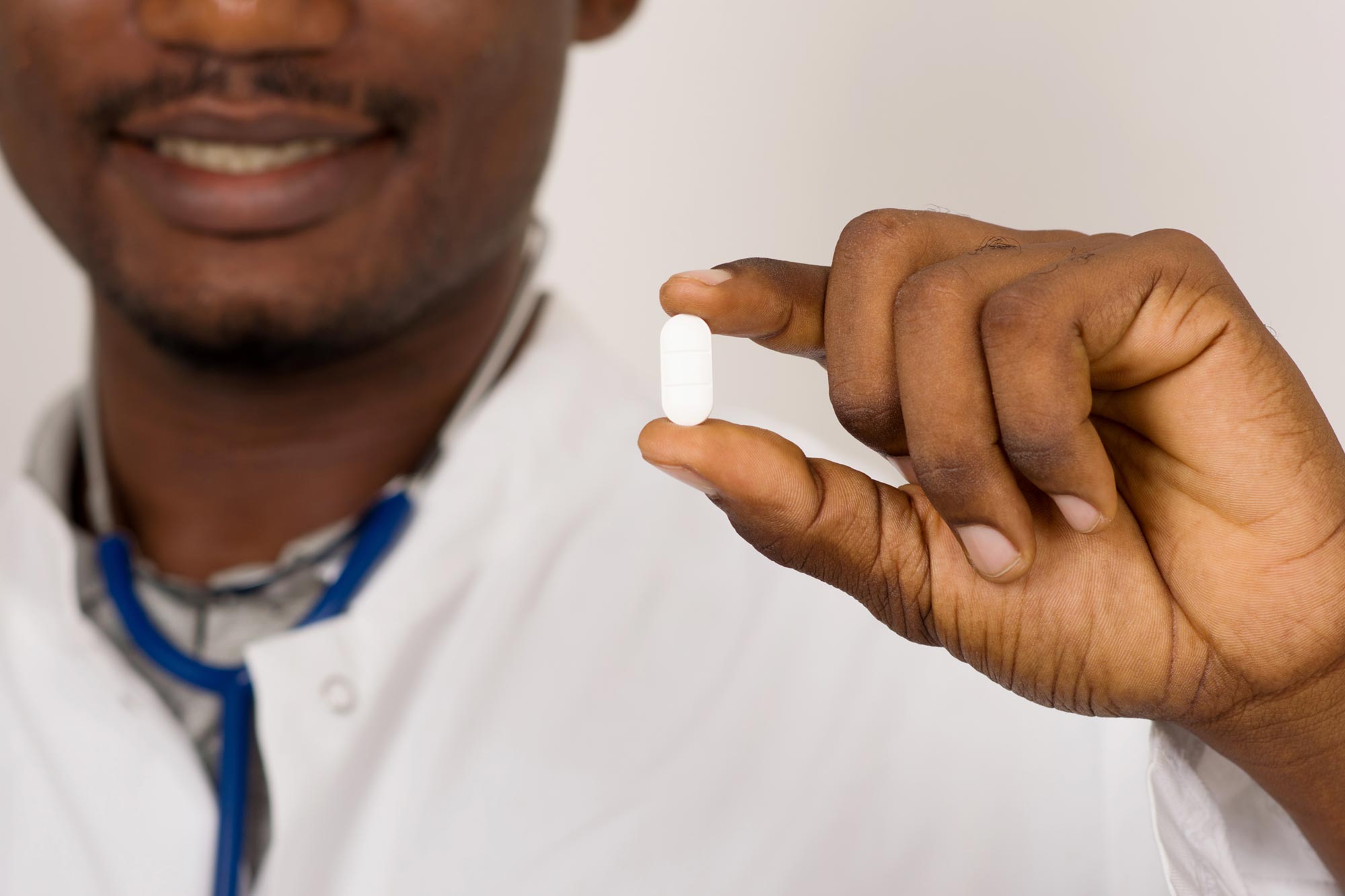
Researchers at Kumamoto University have developed a peptide-based delivery system that facilitates the oral administration of insulin, addressing the longstanding challenge of insulin degradation in the digestive system. This platform employs a cyclic peptide, known as the DNP peptide, which enhances insulin absorption through the intestinal barrier.
Two methods were established:
-
Mixing Method: A modified D-DNP-V peptide combined with zinc-stabilized insulin effectively lowered blood glucose levels in diabetic mice, demonstrating sustained glycemic control with once-daily dosing.
- Conjugation Method: By covalently linking the DNP peptide to insulin, the resulting DNP–insulin conjugate achieved similar glucose-lowering effects.
This method improved insulin pharmacological bioavailability to around 33–41%, allowing for significantly lower oral doses compared to injections. The findings signal a potential shift towards a more practical, patient-friendly oral insulin option, with planned future studies in larger animal models and human systems.
*****
Key Takeaways
- Historic Challenge: For over a century, scientists have sought a viable oral insulin treatment due to barriers in digestive absorption.
- Innovative Solutions: Researchers from Kumamoto University developed a cyclic peptide-based delivery system that enables insulin to bypass digestive breakdown.
- Dual Approaches: Their method features two complementary strategies: a mixing method and a covalent conjugation method, both of which enhance insulin absorption.
- Dose Efficiency: This new system achieves significant bioavailability, suggesting that lower doses of insulin could be effective, easing the burden of injections.
- Future Directions: The team is set to conduct human trials, pointing toward a potential transformation in diabetes management.
A Breakthrough in Diabetes Treatment: The Quest for Oral Insulin
In the realm of medical science, breakthroughs often shimmer with hope, yet the challenges often overshadow them. One such challenge has haunted scientists for decades: the quest for an oral insulin pill. Insulin, a life-sustaining hormone for millions diagnosed with diabetes, has primarily relied on injections due to the hurdles presented by the digestive system. However, what if this dilemma could be solved? The recent advancements by researchers at Kumamoto University suggest that we are closer than ever to a revolutionary method for delivering insulin orally.
Understanding the Barrier: The Digestive System
Before diving into the fascinating innovations, it is essential to comprehend why insulin has resisted oral delivery for so long. The digestive tract is a formidable opponent for any drug. Once swallowed, insulin encounters a range of enzymes and conditions that break it down before it can enter the bloodstream. To add to this, the intestinal barrier is only selectively permeable, limiting how large molecules like insulin can transit into circulation. Thus, patients remain tethered to their daily injection routines—a routine that can severely affect their quality of life.
The stakes are high, and the pressure to find a viable solution looms larger than ever.
A Glimmer of Hope: The DNP Peptide Strategy
Enter Associate Professor Shingo Ito and his team, who have embarked on a mission to turn this centuries-old aspiration into a reality. They developed a novel drug delivery strategy that centers around a cyclic peptide known as the DNP peptide. This carefully engineered molecule carries the potential to navigate the intestinal barriers, allowing insulin to enter the bloodstream post-ingestion.
Imagine a life free from the stigma and struggles of needles. With each step taken in this research, hope flickers a bit brighter for those living with diabetes.
Two Innovative Approaches
What makes their discovery even more compelling is the dual methodologies they employed for insulin delivery, each with its unique mechanics.
-
Mixing Method (Interaction-Based)
The research team utilized a modified form of DNP, referred to as the D-DNP-V peptide, which they combined with zinc-stabilized insulin hexamers. Administered orally, this combination quickly lowered blood glucose levels in various diabetes models. Astonishingly, with just one dose each day, this innovative method maintained stable glycemic control for three consecutive days. It’s as if researchers have unlocked a new door, offering a glimpse into a future where managing diabetes could be as simple as taking a daily vitamin.
-
Conjugation Method (Covalent-Based)
The second approach wielded click chemistry, allowing the DNP peptide to fuse directly with insulin, creating a DNP–insulin conjugate. This ingenious design produced similar glucose-lowering effects as the mixing method, further validating that the DNP peptide plays an active role in transporting insulin across the intestinal barrier. With each layer of strategy unpeeled, the road to effortless insulin delivery becomes less daunting and more attainable.
Overcoming Dosage Challenges
One of the longstanding obstacles to achieving oral insulin has been the enormous doses required—typically, more than ten times the amount prescribed for injections. However, the team’s findings revealed that their DNP-based approach achieved an extraordinary pharmacological bioavailability ranging between 33–41%. This marks a pivotal step toward transforming how insulin is administered; lower dosages mean fewer side effects, less burden, and ultimately, a more manageable life for patients.
Perspective from the Experts
The research team, led by Ito himself, remains optimistic yet grounded. “Insulin injections remain a daily burden for many patients,” he noted, adding that their novel peptide-based platform could significantly change how insulin is delivered, paving the way for long-acting formulations and other injectable biologics. This optimism can serve as a motivational beacon, reminding us all that perseverance and ingenuity may one day turn today’s struggles into tomorrow’s solutions.
Next Steps: Translational Studies
The excitement doesn’t end here. With promising results emerging from animal models, the research team is pushing ahead with translational studies aimed at assessing performance in human intestinal systems. The thrill of discovery will soon transition into a journey toward clinical applications, potentially revolutionizing diabetes care as we know it.
The research findings were published in the highly regarded journal Molecular Pharmaceutics, and those vitally interested in the frontier of medical science can keep abreast of this breakthrough through academic channels and medical news outlets.
Celebrating Scientific Achievement
In a world often inundated with issues, the advancements in oral insulin encapsulate the very essence of what scientific inquiry strives to achieve—progress, hope, and the possibility for a better future. As we delve deeper into discussions about healthcare innovation, it’s crucial to celebrate these milestones as they signify our ability to confront the seemingly insurmountable.
Researchers and innovators like Ito and his team exemplify the spirit of curiosity and relentless pursuit that is fundamental to scientific progress. Despite the challenges, their findings remind us that with ambition, collaboration, and creativity, the barriers confronting us can eventually crumble.
Reflection on the Journey
As we reflect on this incredible journey towards oral insulin, it isn’t merely about overcoming scientific obstacles; it’s about what these breakthroughs mean for real lives. People navigating diabetes face daily challenges that extend far beyond mere numbers on a blood glucose monitor. Accompanying the potential for oral insulin is the promise of enhanced quality of life, a relationship devoid of anxiety tied to invasive treatments, and a chance for individuals to reclaim a sense of normalcy.
Every small victory in the lab is akin to a broader triumph in everyday living, a reminder to never underestimate the powerful ripple effect that scientific discovery can have.
In Conclusion: The Power of Possibility
The emergence of a feasible oral insulin pill rekindles our faith in the power of human ingenuity. It challenges us to think broadly about the future of medicine—not just the mechanics of treatment but the holistic implications on quality of life.
As researchers embark on the next phases of testing and development, let us be eager participants in their journey—cheering from the sidelines, hopeful for the day when these discoveries translate into real-world applications. Today, we celebrate the role of science in crafting answers where once there were only questions, igniting our collective aspiration toward a healthier, more manageable world for those affected by diabetes.
Life is filled with challenges; every breakthrough serves as a reminder that, together, we can challenge and reshape our destinies.