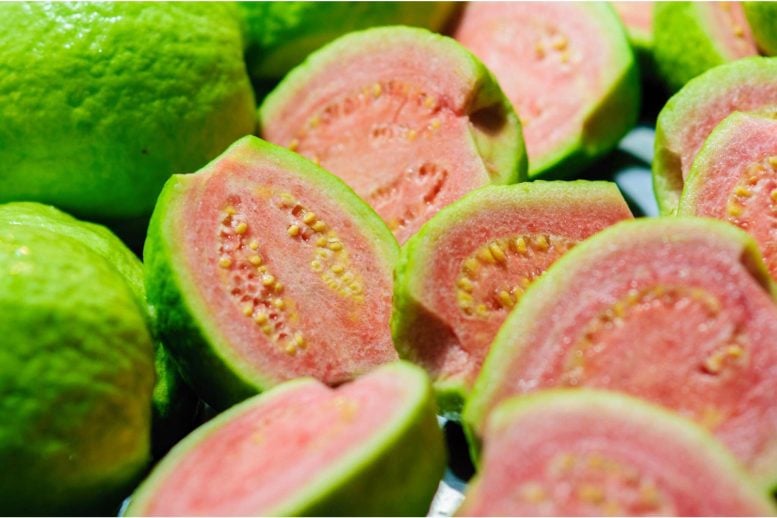
Summary of According to Scientists, These Bioactive Plants Have Anti-Cancer Properties:
Indigenous Nigerian food plants offer promising potential in combating cancer by targeting processes like cell death and inflammation. These plants can support traditional cancer treatments. Cancer poses a significant global health challenge, with increasing incidence and mortality rates in Nigeria, where prevalent cancers include breast, cervical, prostate, and liver.
*****
Summary:
- Bioactive plants from Nigeria display promising anti-cancer properties.
- These plants may assist in managing cell death and inflammation related to cancer.
- Cancer incidence and mortality are rising in Nigeria, affecting various populations.
- Indigenous food plants may support conventional cancer treatments.
Imagine integrating ancient wisdom with modern health challenges and discovering powerful secrets hidden in nature. Picture the lush greenery of Nigeria, where plants don’t just feed bodies but hold the promise to heal. Join me on this enlightening journey through centuries-old knowledge meeting cutting-edge science, revealing how indigenous Nigerian food plants could become formidable allies in the fight against cancer.
The Green Guardians
Let’s dive deep into the world of plants that don’t just stop at bearing fruits or embellishing gardens. These living organisms are working tirelessly, often unnoticed, to tackle one of humanity’s fiercest adversaries—cancer. Nigeria’s rich biodiversity offers an array of bioactive plants that scientists have started to explore with open curiosity and rigorous research. Beyond their culinary delights, these plants possess properties that may aid in combating cancer by targeting cell death and reducing inflammation.
Nigeria is part of a journey where traditional meets modern, with science scrutinizing ancient remedies once whispered across generations. Many of these native plants have, over centuries, formed an integral part of local diets and medicine. They have quietly maintained their presence—silently but potently nurturing those who’ve trusted in their benefits.
The Rising Challenge
Cancer doesn’t differentiate. It can strike anyone, anywhere. But here’s the complexity: while our medical capabilities advance, the cancer burden continues to grow, particularly in Nigeria. Breast, cervical, prostate, and liver cancers are notably prevalent. Despite an increase in awareness and advancements in treatment, the disease continues its relentless surge, calling for additional, innovative strategies.
In a land where hope persists amidst struggle, the mortality and incidence rates of cancer are rising. These unsettling trends not only demand efficient medical interventions but also provoke the question: Can integrating indigenous plants into treatment regimens provide a new frontier of hope?
Unlocking the Secrets
You’re likely wondering, “What makes these Nigerian plants so special?” The answer lies in their bioactive compounds. Researchers have begun to delve into the chemical magic woven within these plants. The unique nutrients and compounds they harbor can influence cell pathways, leading to apoptosis (a fancy word for programmed cell death) and reducing inflammation—a double-edged sword against cancer.
Let’s explore some standout candidates:
-
Bitter Leaf (Vernonia amygdalina): Not just a bitter add-on to meals, this plant is a powerhouse. Effective in reducing inflammation and possessing cancer-fighting capabilities, it’s more than just a part of traditional meals; it could be part of a therapeutic revolution.
-
Soursop (Annona muricata): Known for its delectable taste, soursop has long been rumored to harbor cancer-combating prowess. The plant’s leaves and fruit contain acetogenins, which have shown potential in inhibiting cancer cells.
-
Turmeric (Curcuma longa): You might know turmeric for spicing up dishes, but in Nigeria, its role is multifaceted. Curcumin, a vibrant compound in turmeric, is renowned for its ability to reduce inflammation and possibly thwart cancer cell growth.
- Moringa (Moringa oleifera): Dubbed the “miracle tree,” this plant isn’t just nutritious but also potentially medicinal. Its leaves, rich in nutrients, are thought to curb inflammation and promote cellular health.
The Dance of Tradition and Science
The beauty of this exploration lies in the dance between tradition and science. It’s as if modern research is performing a duet with history—each side bringing its strength to the stage. While these plants have served communities for centuries, the scientific lens now illuminates their potential in previously unimagined ways.
Scientists aren’t simply grasping at folklore; they’re engaging in meticulous research, trials, and analyses. By isolating active compounds and measuring their effects, they are paving a path where skepticism is replaced by evidence and anecdotal benefits are confirmed through data.
A New Strategy in Cancer Treatment
Let me spell it out for you: don’t treat these plants as miracle cures. They are not replacements for prescribed treatments. Instead, they may serve as complementary resources, augmenting existing therapies. Incorporating these plants into a balanced diet and medical routine could potentially offer improved outcomes for those grappling with the disease.
Imagine these plants as the unsung heroes of a larger narrative—adding layers, flavor, and potency to the existing script of cancer treatment. They are certainly not ready to headline the act, but they are critical players in a complex performance.
Challenges and Promises
Embracing these plants doesn’t come without challenges. The path to integrating them into mainstream treatment is filled with hurdles, including regulatory approvals, sustainable harvesting practices, and ensuring accessibility to all.
Yet, the promise they hold is too potent to ignore. Imagine bridging this green knowledge with educational programs, crafting awareness not just for prevention but also for holistic support in cancer care. As awareness grows, so does the potential to cultivate a blend of traditional wisdom and modern medicine.
Embracing the Journey
In embracing this journey, we tap into a legacy that’s vibrant and alive. It challenges us to see beyond the confines of standard practice, urging a deeper connection with the natural world, with plants, with history. Here’s the promise of an uplifting relationship with nature: understanding the delicate balance of respecting age-old knowledge while inviting scientific scrutiny.
A Call to Action
So, what can you do? Allow this knowledge to not only inform but inspire. Start by incorporating these plants into your life, responsibly and thoughtfully. Advocate for continued research, support educational efforts, and most importantly, share these insights with others.
Imagine conversations sparked and pathways unfolded simply because you’ve allowed yourself to explore an avenue less trodden—a path where the familiar aroma of indigenous plants mingles with the zealous pursuit of progress.
Every step you take towards embracing this powerful synergy reinforces a world where traditional knowledge and scientific inquiry navigate hand in hand. It’s a journey, a story, an opportunity to evolve, heal, and ultimately, thrive together.