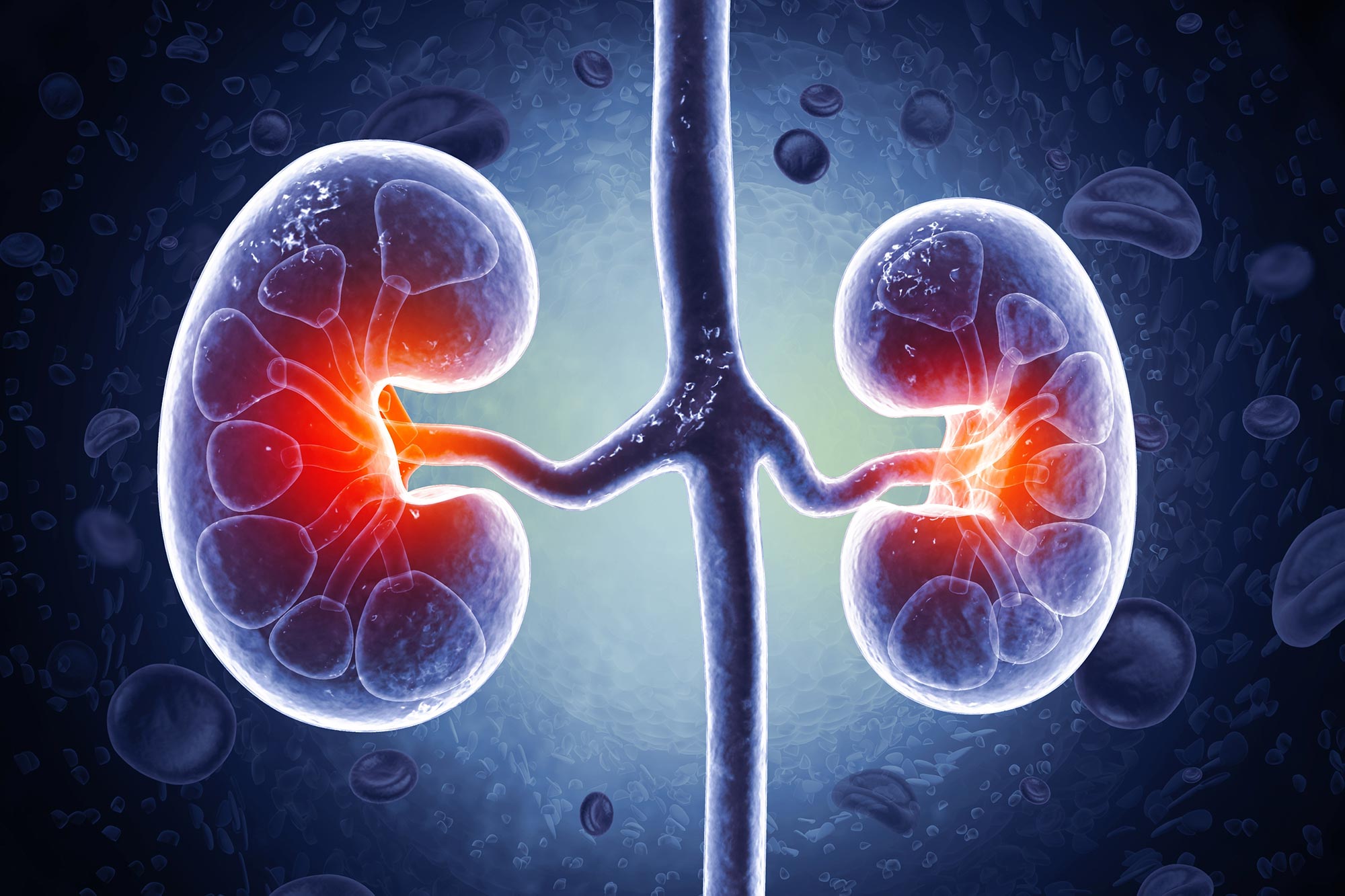
Summary of Scientists Find Kidney-Saving microRNA in a World-First Discovery:
Canadian researchers at the CRCHUM have discovered a microRNA, miR-423-5p, which can protect kidney blood vessels after injury, offering new possibilities for diagnosing and treating chronic kidney disease. This microRNA serves as a potential blood-based biomarker for evaluating kidney microvascular health, impacting millions globally. The study involves work by Université de Montréal medical professors and their team, focusing on protecting delicate peritubular capillaries crucial for kidney function. The discovery may lead to early detection tests and interventions, aiding patients, including those undergoing transplants or surgeries. Researchers are exploring alternative methods for delivering the microRNA. This breakthrough might also benefit patients with cardiac or pulmonary failure and has potential applications in other fields of medicine.
*****
Summary of Main Topics:
- Researchers at CRCHUM in Canada have discovered microRNA miR-423-5p, which protects kidney blood vessels, paving the way for chronic kidney disease diagnosis and treatment.
- This microRNA can potentially serve as a biomarker for assessing kidney microvascular health, offering hope for millions worldwide.
- The findings could revolutionize the treatment of patients undergoing transplants or those with cardiac, pulmonary, or neurodegenerative conditions.
- The breakthrough provides insights into preventing damage to small blood vessels, which is crucial for maintaining kidney function.
- Researchers are exploring ways to transport this microRNA into the kidney noninvasively, potentially benefiting a broader range of patients.
Unlocking Kidney Secrets: A Tale of MicroRNA and Innovation
Picture this: nestled deep within the realm of scientific discovery, a tiny molecular wonder is making waves. Scientists at the CRCHUM in Montreal are not just dreaming of a brighter future for kidney patients—they’re creating one. With the discovery of microRNA miR-423-5p, they’ve found a guardian for the kidneys’ delicate blood vessels, especially after injury. This could be a game changer for millions suffering from chronic kidney failure.
A Glimmer of Hope for Early Detection
Kidney failure might sound like a distant issue, but let’s get up close and personal. Imagine your kidneys not doing their daily chores—like filtering out toxins and balancing fluids. Not a pretty picture, right? Well, up till now, identifying early warning signs of small blood vessel damage was more of a treasure hunt without a map. But now, with miR-423-5p in our toolkit, we’ve potentially got a reliable biomarker to navigate this complex landscape.
Researchers, including medical heavyweights like Dr. Marie-Josée Hébert and Dr. Héloïse Cardinal, are turning the tables by employing miR-423-5p as a beacon for kidney health. This tiny molecule may soon help doctors diagnose and monitor kidney conditions with unprecedented precision, offering not just treatment, but early interception.
The MicroRNA Marvel
Let’s linger a little on what this microRNA is all about. These microscopic RNA molecules don’t code proteins like DNA does, but they’re masters at regulating gene expression, making sure that the cells hit just the right notes in the grand symphony of life. In this particular performance, miR-423-5p takes center stage, safeguarding kidney blood vessels from harm.
In their research published in JCI Insight, the CRCHUM team unveiled how miR-423-5p works. In simple terms, this microRNA acts like a security detail for the kidneys’ tiny capillaries—the peritubular capillaries—which are indispensable for filtering blood and sustaining kidney function.
The Art of Scientific Innovation
Isn’t it fascinating how a microscopic player can turn the tide? What makes this discovery so enthralling is its promise beyond just a scientific milestone. It’s about envisioning a future where early diagnosis isn’t just a possibility but a routine reality. Imagine having a routine test, perhaps as simple as a blood draw, that could flag potential issues before they escalate into full-blown problems. Now, that’s revolutionary!
And the excitement doesn’t stop with diagnosing kidney dysfunction. This breakthrough has broader applications, especially for patients with conditions where blood vessel health is crucial. Think cardiac failure, pulmonary issues, or even certain neurodegenerative diseases. It’s like opening Pandora’s box—but with the treasures of hope and healing.
A Future That’s Almost Here
Now let’s talk about the practical applications of this research, which brim with potential. When kidney function falters during a transplant, small blood vessels can get lost in the shuffle, threatening the organ’s survival. Imagine a scenario where miR-423-5p can be directly injected—and voilà, the vessels are preserved and the damage curtailed!
Researchers are now buzzing with the challenge of transporting this skillful microRNA to the kidneys without needing direct intervention. It’s akin to creating a delivery system that’s both efficient and seamless. The possibilities tantalize the mind—especially considering the potential to aid a broad spectrum of patients.
Reflections from the Scientific Frontier
Let’s pause and reflect on the bigger picture. This discovery didn’t just spring up overnight. It’s the result of labor-intensive research, collaboration, and a relentless pursuit of knowledge. The team credits not only their own efforts but the invaluable participation of patients—heroes in their own right—who contributed to this study by being part of the CHUM kidney transplant biobank.
Moreover, this research transcends borders. Although it originated amidst the bustling halls of Montreal’s CRCHUM, its ripple effects are poised to touch lives far beyond Canadian shores. The concerted efforts from funding bodies like the Canadian Institutes of Health Research and several others have been pivotal in transforming mere potential into tangible progress.
Conversations in Science and Beyond
One cannot overstate how such scientific breakthroughs bridge the gap between hard-hitting research and the everyday lives they aim to improve. Yet, beyond the test tubes and lab coats, at its heart, this is a story of human resilience and ingenuity. It’s a narrative that inspires us to believe in a world where health challenges are not just managed but prevented with foresight and smart science.
Have you ever wondered how many lives this could touch? We’re talking about millions of souls counting on this tiny biomarker to make a massive difference. The narrative isn’t just about kidney health—it’s about enhancing the quality of life. And that, dear reader, is motivation enough to value and support scientific endeavors.
The Human Element
Science is, after all, deeply human. It embodies our unyielding spirit to better our world. From the bustling labs where groundbreaking research happens to the clinical settings implementing these insights—each step along the journey intertwines with real human stories. Consider the elderly patient undergoing surgery or someone poised for an organ transplant. Imagine their relief and hope as this discovery unfolds.
This human aspect fuels curiosity and exploration, spurring researchers onward. It reminds them—and us—that every minute spent in pursuit of scientific clarity holds the promise of enhancing human health and happiness.
In Conclusion: A Call to Action and Awareness
So, here’s where we stand: on the threshold of a new dawn for kidney health, armed with knowledge as potent as miR-423-5p itself. Yet, this isn’t just a triumph for the scientific community—it’s an invitation for us all to pay closer attention to our bodies, advocate for proactive health solutions, and support scientific research and awareness.
Let this story be a beacon that ignites action, inspiring us to spread awareness and sustain the momentum of scientific inquiry. Whether it’s by engaging in dialogue, supporting research initiatives, or simply staying informed, each of us plays a part in this unfolding tale.
In the end, this isn’t merely about a scientific discovery. It’s about the beginning of many stories—stories of improved lives, resilient kidneys, and a healthier future for all. So, let’s keep our eyes peeled, our minds open, and continue this journey of discovery together. Here’s to a future where science, innovation, and humanity thrive hand in hand.