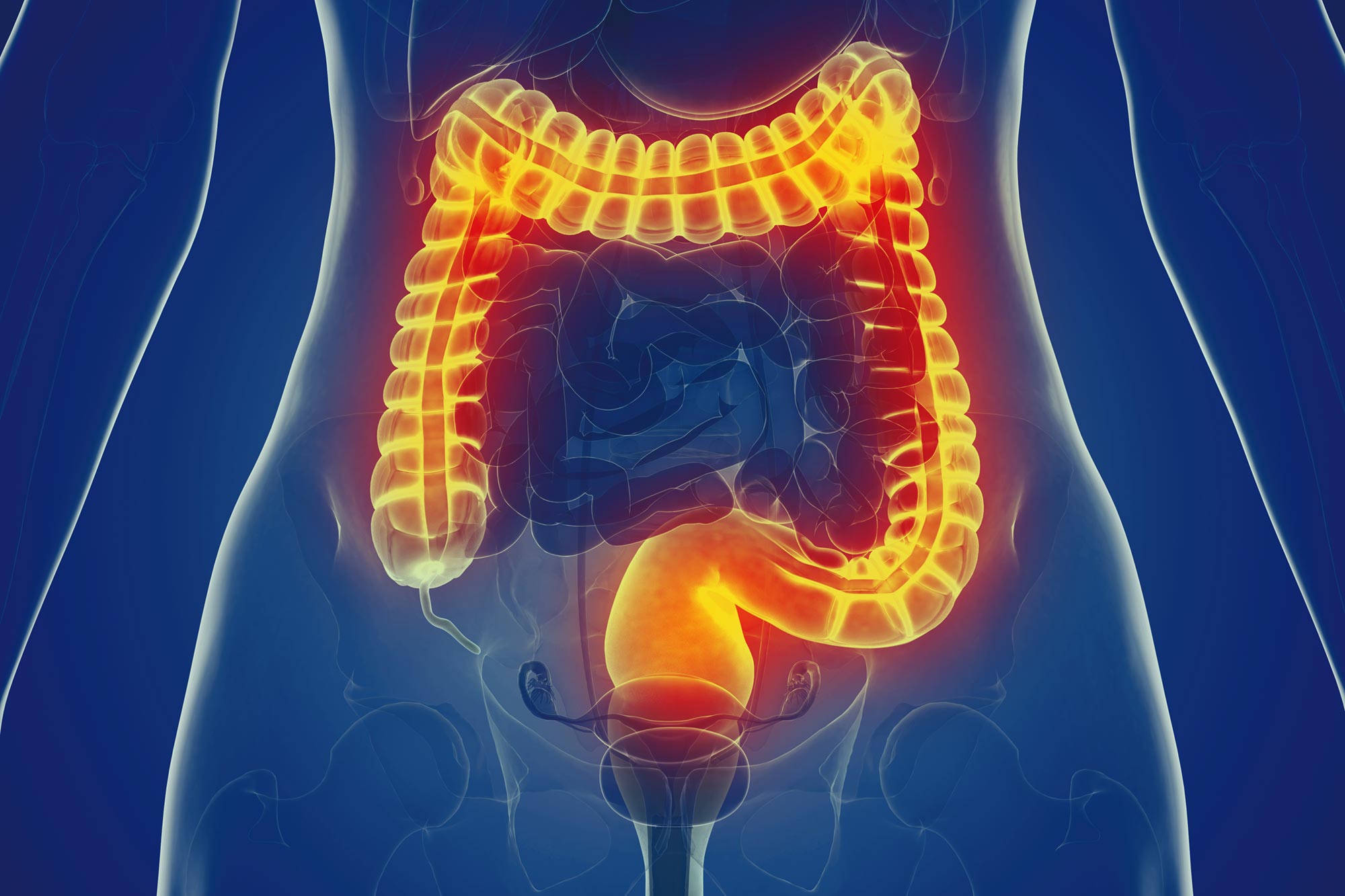
Summary of Scientists Flip Immune System “Switch,” Uncover Surprising Path To Stop Gut Inflammation:
Researchers from Weill Cornell Medicine have discovered a novel mechanism by which the gut immune system maintains balance, offering potential new treatment avenues for inflammatory bowel disease (IBD) and other autoimmune disorders. The study revealed that blocking a specific signal, previously thought essential for expanding immune cells that enforce tolerance, actually promotes tolerance and reduces intestinal inflammation. This challenges existing notions about immune tolerance regulation in the gut.
The findings indicate that gut immune responses are distinct from other tissues, as the immune system actively differentiates between harmful and harmless agents. The study identified a unique group of antigen-presenting cells crucial for maintaining immune balance in the intestine. Importantly, it suggests that existing drugs targeting immune interactions could be effective for IBD if the conditions are favorable, such as restoring specific immune cells. The researchers are now exploring these possibilities for broader applications in improving gut health.
*****
Summary Bullet Points
- Researchers at Weill Cornell Medicine discovered a unique mechanism by which the gut’s immune system maintains balance, challenging previous assumptions about immune tolerance.
- The study revealed that blocking a specific signaling pathway in immune cells increased tolerance and reduced inflammation in a preclinical model of inflammatory bowel disease (IBD).
- This finding can lead to new treatment strategies not just for IBD but also for food allergies and other autoimmune disorders.
- Gut immunity is distinct due to specialized cells that create a complex interplay of signals required for maintaining intestinal health.
- Potential applications of these discoveries may extend to improving overall gut health and offering new avenues for treatment in chronic inflammatory conditions.
Scientists Flip Immune System “Switch”: A Surprising Path to Stop Gut Inflammation
When tackling the intricate tapestry of human biology, few areas are as multifaceted and compelling as the immune system, especially within the confines of our gut. Researchers at Weill Cornell Medicine recently unveiled a groundbreaking mechanism that flips the switch on our immune responses, ushering in an unexpected route to combat gut inflammation. This discovery not only unravels a complex physiological puzzle but also opens up exciting new avenues for treating conditions like inflammatory bowel disease (IBD), simplifying the complexities of autoimmune disorders, and even shedding light on food allergies.
The Immune System’s Balancing Act
Imagine a tightrope walker skillfully balancing above a crowd. This act is akin to what your immune system does daily—maintaining equilibrium between responding to harmful invaders and tolerating benign substances like food and gut bacteria. For many years, scientists have posited that activating certain signals in the immune system fosters this balance. Recent research, however, suggests a paradigm shift that challenges this long-held belief, presenting a novel mechanism for ensuring that our bodies remain in harmony despite constant exposure to countless foreign substances.
Dr. Gregory Sonnenberg, the senior author of this sensation, claims this research could revolutionize our approach to chronic inflammatory disorders. The study, published in the Journal of Experimental Medicine, investigated how immune cells interact to form an intricate web of tolerance towards innocuous gut microbes and dietary proteins. What the authors discovered shakes the very foundations of our understanding: instead of activating a previously assumed critical signal, blocking this signal actually enhances tolerance and significantly quells inflammation.
The Good, The Bad, and the Gut
Many of us might think of the gut as merely a digestion station, but it serves as a battleground where our immune system continuously contends with molecular foes and friends. It’s here that inflammatory bowel diseases like Crohn’s disease and ulcerative colitis thrive, wreaking havoc on millions of lives. The body’s inability to differentiate between harmless and harmful substances can lead to chaotic immune responses—and that’s where the immune system gets tangled in its own web.
In essence, the unique features of gut immunity reside in a specialized cadre of local cells that work tirelessly to maintain peace. Treg cells, a subset of regulatory cells, play a key role here, and this study centers on a subset of these Tregs expressively known as RORγt+ cells. Their strategic positioning in the gut allows them to communicate with a unique group of antigen-presenting cells (APCs) that also produce the RORγt factor, creating an essential discussion in the world of cellular signaling.
Rethinking T Cell Activation
At the heart of the immune response lies a critical two-step activation process, reminiscent of a "two-factor authentication" system that keeps our bodily fortress secure. The first step, Signal One, allows an APC to present a fragment known as an antigen to a T cell—this is just the beginning.
Traditionally, Signal Two is thought to govern T cell activation. However, the intriguing findings from Sonnenberg’s group reveal that blocking this second signal actually leads to a spike in gut RORγt+ Treg cells and shields against intestinal inflammation. What’s astonishing is that this counters the general expectation observed in Tregs outside the gut, demonstrating the specificity and complexity of intestinal immunity—a true marvel of biological engineering.
Rationale Behind the Findings
To dive deeper, let’s examine the implications of this revelation. When investigating the long-standing drug CTLA4-Ig, also known as abatacept, the researchers drew correlations between this signaling block and the resilience of patients suffering from IBD. Previous studies indicated that this drug didn’t improve outcomes for everyone, but this new understanding provides clarity: a deficiency of RORγt+ APCs in these patients means that the immune system can’t adequately relay the crucial Signal One necessary for Treg cell proliferation. The potential, however, lies in restoring these bereft cells or administering CTLA4-Ig under optimal conditions when the immune landscape is more favorable.
Implications for Treatment and Beyond
The researchers’ ambitions don’t stop here. This newfound knowledge hints at broader therapeutic applications, paving the path for tackling diverse conditions—from food allergies to chronic inflammation triggered by cancer immunotherapy. Reflecting on the gut’s immune landscape offers us a clearer lens through which we can explore pathways for healing and resilience.
The possibility of developing new drugs or improving existing therapies based on these findings ignites hope for many. Picture a world where a simple course of treatment—possibly derived from this research—could restore gut balance, improve quality of life, and halt the unnecessary suffering many endure. It’s a tantalizing prospect and speaks to the wonders of scientific inquiry that continues to expand our understanding of the human body.
The Bigger Picture: Unity in Diversity
Perhaps one of the most profound takeaways from this research is the reminder of our body’s intricate unity amidst diversity. Each cell, whether a Treg, an APC, or even the microbes that inhabit our gut, serves a purpose in the grander scheme of health. We often find ourselves caught in a whirlwind of health trends, diets, and treatments, but the revelation of this immune "switch" encourages us to look inward—to cherish and nurture our bodies rather than rely solely on external solutions.
The ever-evolving understanding of gut health also serves as an exhilarating metaphor for life’s challenges. Just as the immune system navigates the minefield of potential threats and recognizes the harmless, we too can learn to discern the irreplaceable value of balance in our lives. Setting boundaries that nurture our well-being, discerning between stressors that ignite inflammation and those that fortify our resilience, becomes paramount.
Closing Thoughts: An Ongoing Journey
In conclusion, the groundbreaking findings from Weill Cornell Medicine illuminate a path previously obscured in the shadows of scientific inquiry. This research reminds us that progress in science—like in life—is often about asking the right questions and being open to unexpected answers. It challenges us to reconsider our assumptions and explore the beauty in the unknown.
As we traverse this journey of health and wellness, let us remain curious, committed to understanding our bodies, and driven by the hope that every mystery unveiled can lead us to a richer, more fulfilling experience.
The gut may hold the secret to health, but it is our quest for knowledge and understanding that allows us to transform that secret into a stepping stone towards a healthier future. So let’s stay engaged, embrace this new knowledge, and continue to strive toward ways we can improve our health and well-being—both in our intestines and in our lives.