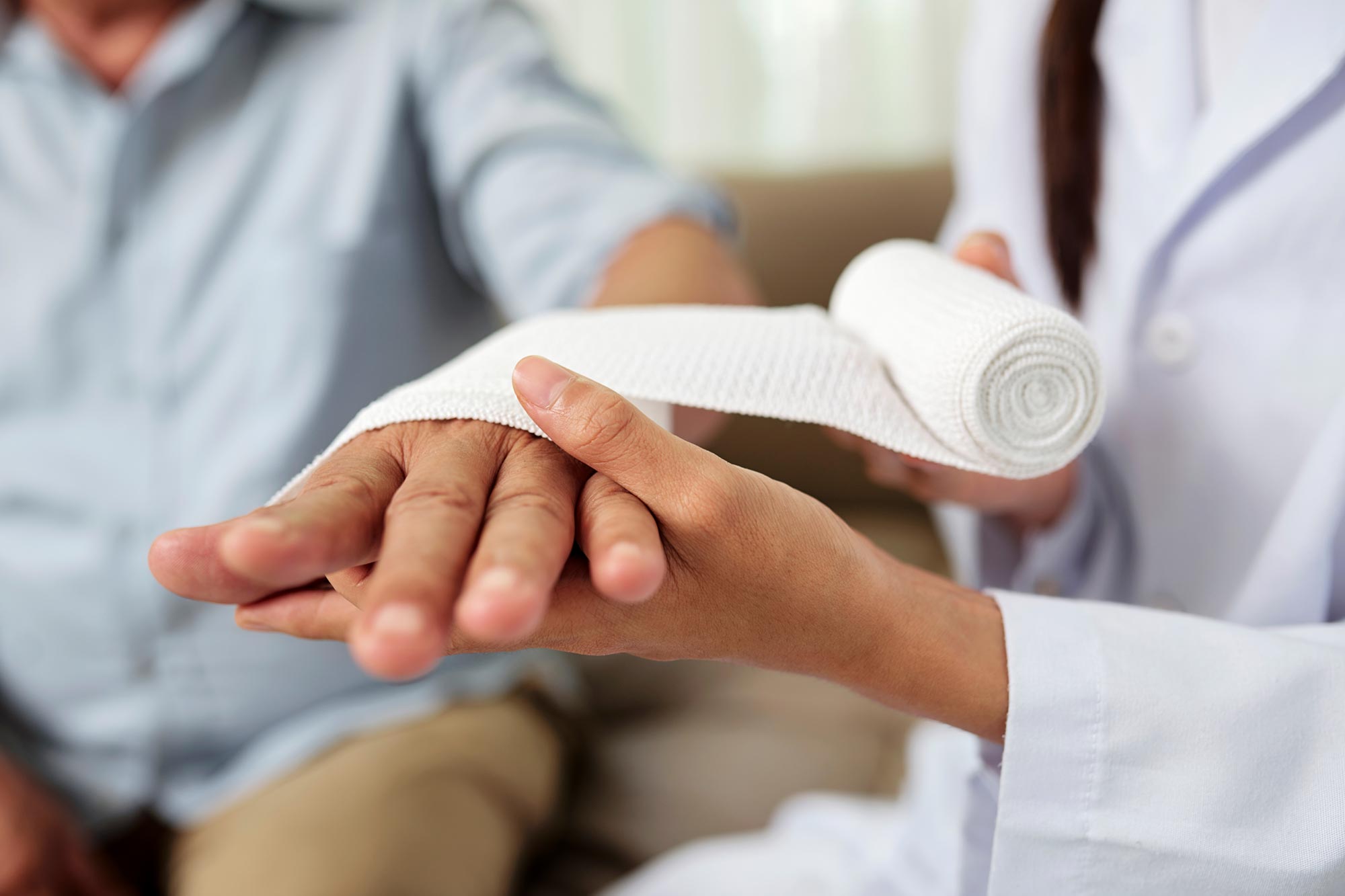
Summary of Scientists Create “Intelligent” Bandage That Targets Harmful Bacteria:
Researchers at Brown University have developed a smart hydrogel wound dressing that releases antibiotics only when harmful bacteria are detected. This innovative technology addresses the problem of antibiotic resistance by minimizing unnecessary antibiotic use, which is a significant concern globally.
The hydrogel works by breaking down in response to enzymes produced by harmful bacteria, allowing it to release its antibiotic contents selectively. Laboratory and mouse studies indicate that this hydrogel not only clears infections more effectively than common antimicrobial dressings but also supports faster wound healing.
Overall, this advancement has the potential to improve infection treatment while safeguarding the effectiveness of antibiotics. The research has been published in Science Advances and the team is working towards commercializing the technology.
*****
Summary Bullet Points
- Innovative Healing Technology: Brown University engineers developed a smart hydrogel that releases antibiotics in response to harmful bacteria.
- Targeted Antibiotic Release: The hydrogel only activates in the presence of specific bacterial enzymes, preventing unnecessary antibiotic exposure and fighting resistance.
- Enhanced Wound Healing: Tests on mice show that this dressing not only clears infections effectively but also accelerates the healing process.
- Global Health Impact: This technology could address the rising crisis of antibiotic resistance, which poses serious health threats worldwide.
- Potential Future Applications: The smart hydrogel is patented and under development for potential commercialization, promising a new direction in microbial treatment.
The Era of Intelligent Healing: Rediscovering Wound Treatment
In our ever-evolving world, innovation often walks hand in hand with necessity. One such necessity looming large on the global medical landscape is the fight against antibiotic resistance. Unwanted microbial invaders have a knack for adapting and evading our best treatments, creating a cycle that places human lives at risk. But what if we could revolutionize the way we approach infections?
Enter a remarkable scientific breakthrough—a smart hydrogel developed by biomedical engineers at Brown University that responds intelligently to bacterial attacks. This could be a game-changer, not just for healthcare professionals but for anyone appreciating the marvels of modern medicine.
The Genius of Smart Hydrogel
Imagine a bandage that knows when bacteria invade your body. It remains dormant, proactively safeguarding your wound until it detects harmful microbial activity. This is precisely what the ingenious scientists have crafted: a hydrogel that releases antibiotics when harmful bacteria are present, with a stunning level of accuracy.
Unlike conventional dressings that indiscriminately deploy medication, this smart hydrogel utilizes a sophisticated mechanism that activates only upon encountering specific enzymes produced by notorious pathogens. Think of it as a VIP treatment for only those harmful bacteria, while leaving beneficial microbes unharmed. This clever targeting could potentially pave the way for a more effective strategy in managing infections, reducing one’s dependency on antibiotics, and curbing the daunting rise of “superbugs.”
Why Antibiotic Resistance Matters
Before diving deeper, let’s take a moment to understand the context. The overuse of antibiotics has created a landscape where many bacteria have evolved resistance, a phenomenon that endangers millions annually. According to the World Health Organization, antibiotic-resistant infections claim over a million lives each year, a number that could rise to nearly 10 million by 2050 if we don’t act.
In this light, the introduction of a smart hydrogel is not just fascinating; it’s imperative. The material built by the team at Brown is designed to limit antibiotic exposure, ensuring that medication is administered only when necessary. As Dr. Anita Shukla, lead researcher, points out, this approach could transform our entire framework for antibiotic use in wound care.
The Science Behind the Hydrogel
Let’s peek behind the curtain at how this innovative hydrogel works. At its core, hydrogels are Jell-O-like materials composed mainly of water and polymer chains interlinked with crosslinkers. The magic happens with a particular crosslinker that breaks down upon exposure to beta-lactamases—enzymes produced by many bacterial pathogens.
When these harmful bacteria invade, signaling their presence with these enzymes, the hydrogel begins to disintegrate, releasing its antibiotic cargo directly at the site of infection. How efficient is that? It cleverly maintains its integrity when in the presence of non-threatening microbes, showcasing a commitment to protecting the natural microbiome on our skin.
The results from laboratory testing are promising. The hydrogel demonstrated selective breakdown only when harmful bacteria were present while maintaining its structure around harmless bacteria. This unique sensitivity ensures that we minimize unnecessary collateral damage—a vital aspect of maintaining a healthy microbiome and preventing further antibiotic resistance from developing.
Daunting Discoveries from Mouse Studies
The stakes get even higher when we look at real-world applications, particularly the mouse studies conducted by the research team. In these experiments, a single application of the hydrogel was sufficient to completely clear bacterial infections from abrasions.
What does this translate to in human terms? Greater efficiency in treatments and quicker recovery times. The study found that this hydrogel outperformed many currently employed antimicrobial dressings, not just in clearing infections but also in aiding wound healing. Imagine a world where patients could experience faster recovery with fewer side effects—an empowering reality indeed!
Bridging Science and Everyday Life
Now you might be asking, how do we translate scientific innovations like this into everyday life? The answer lies in embracing the future while also advocating for responsible use of such technologies.
Picture a future where your first-aid kit includes such intelligent bandages, ready to tackle infections at the first sign of trouble. This development fuels optimism and hope, serving as a beacon for our healthcare systems and potentially reducing strain on medical resources.
Implications Beyond the Bandage
The ramifications of this hydrogel extend beyond wound care. This technology could potentially influence how we approach various medical scenarios—from surgeries to hospital stays. The targeted delivery of antibiotics holds vast promise not just for infection control, but also for reducing the reliance on widespread antibiotic courses, leading to a healthier population baseline.
Imagine if this technology could someday evolve into systems that can distinguish between beneficial and harmful bacteria in a patient’s body altogether? The prospects truly stretch far and wide.
The Path Ahead
However, as this technology stands on the threshold of commercialization, there’s work left to do. The researchers are actively refining their innovations, hunting for potential partners to bring their smart hydrogel to the mainstream market. This pursuit underscores an essential truth: we are only at the beginning.
It’s not just about having a tool; it’s about enhancing lives. The intelligent hydrogel represents a commitment to safeguarding our health without compromising the efficacy of antibiotics.
Empowering Yourself and Society
As we stand at this intriguing intersection of science and society, it’s crucial to empower ourselves through knowledge. Understanding the realities of antibiotic resistance can transform both individual and collective actions. As consumers, we must advocate for responsible medical practices, engaging in conversations about the treatment protocols and fostering an environment that prioritizes innovative solutions.
Moreover, often the first step towards inspiration is reminding ourselves that science, while complex, is at its heart about improving lives. Whether it’s a small breakthrough in wound care technology or a greater leap in understanding disease mechanisms, every advancement paints a hopeful future.
In closing, the intelligent hydrogel is more than just a technological marvel; it is a narrative of possibility. As we embrace such advancements, we must also cultivate a collective mindset focused on stewardship—taking care of our microbial allies while arming ourselves against our foes. Ultimately, this symbiotic coexistence might become our most powerful tool in the ongoing battle against infection and disease.
The future is bright, and with each innovation, we find ourselves not just solving problems, but daring to imagine a healthier world. Indeed, let us champion these advancements and remain vigilant stewards of our health, knowing that sometimes, healing can think on its own.