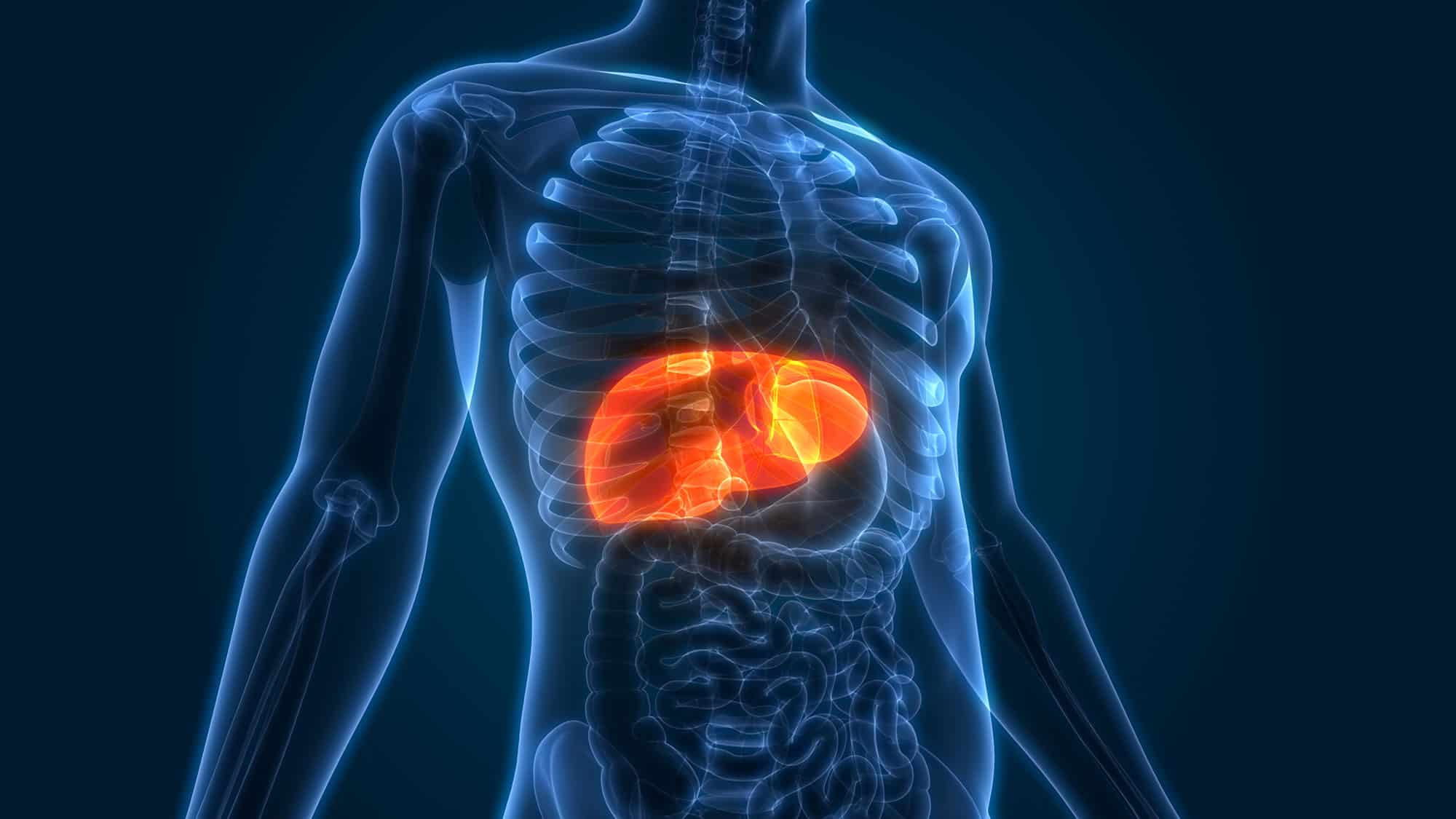
Summary of Scientists Create Tiny “Mini Livers” That Could One Day Replace Liver Transplants:
Researchers at MIT have developed injectable “mini livers” that successfully restored key liver functions in mice for up to eight weeks. The liver is essential for many bodily functions, and when it fails, transplants are often the only treatment, which is limited by donor shortages. These engineered tissue grafts, referred to as “satellite livers,” offer a potential alternative, allowing for enhanced liver function without the need for a transplant.
The process involves injecting hepatocytes, the liver’s main functional cells, combined with hydrogel microspheres that help maintain cell structure and connectivity to blood vessels. This method minimizes the need for invasive surgery, as the microspheres form a stable graft once inside the body.
The mini livers were injected into fat tissue, where they established a blood supply that supported hepatocyte survival and functionality. This innovative approach could serve as a bridge to transplant if needed later, offering significant advantages in treating liver disease. Future studies will focus on mitigating the need for immunosuppressive drugs and improving overall effectiveness.
*****
Summary Bullet Points
- Scientists at MIT have developed injectable “mini livers” that could potentially perform critical liver functions and alleviate the shortage of donor organs for transplant.
- These mini livers utilize hydrogel microspheres to create a stable environment for hepatocytes, the liver’s primary functional cells, allowing them to survive and function effectively.
- The innovative method could serve as an alternative to traditional liver transplants, offering a bridge until donors become available or a solution for patients not eligible for surgery.
- The mini livers demonstrated functionality in animal studies for eight weeks, suggesting it could provide long-term support for individuals with liver disease.
- Future research aims to address the issue of immunosuppression, potentially allowing for healthier grafts without the need for lifelong medication.
Tiny Marvels: How Scientists Are Creating "Mini Livers" to Transform Transplant Medicine
Picture a world where liver transplants could become a thing of the past—an astonishing thought that was once confined to the realm of science fiction. Recent breakthroughs in medical science are edging us closer to this futuristic vision with the creation of injectable “mini livers.” Imagine unleashing the power of specially engineered cells to restore vital functions to those with liver failure, all without the need for a major surgical procedure.
This revolutionary work, led by scientists at MIT, is not just a fleeting glimmer of hope; it’s a promising avenue that could redefine how we approach organ failure. But how does this work? Let’s unravel the incredible science behind this breakthrough.
The Unsung Workhorse: Understanding the Liver’s Role
Before diving into the mini livers, it’s essential to appreciate the liver’s myriad roles in our bodies. Often dubbed the body’s chemical factory, the liver orchestrates various functions—including filtering toxins, metabolizing medications, and even producing proteins necessary for blood clotting. With such a pivotal role, liver failure can lead to catastrophic consequences and often necessitates a transplant, a procedure heavily limited by the chronic shortage of available organs.
Engineering Life: The Genesis of Mini Livers
Enter MIT’s trailblazing engineers, who envisioned these mini livers as "satellite livers." Sangeeta Bhatia, the lead researcher and a prominent figure at the MIT Koch Institute for Integrative Cancer Research, describes this innovation as a way to supplement the failing liver while the patient’s own organ remains in place. The goal? To boost functionality seamlessly and effectively.
Hydrogel Microspheres: The Game Changer
At the heart of this fascinating project are hydrogel microspheres—tiny, engineered particles that play a crucial role in the survival and function of hepatocytes, the liver’s main workers. But what’s so special about these microspheres? They serve as physical scaffolding that houses the hepatocytes, enabling them to thrive in the body post-injection.
The genius lies in the dual nature of these microspheres; they behave like a liquid when injected, allowing for easy passage through a syringe. Yet, once inside the body, they revert to a solid structure, creating an ideal environment for the liver cells to establish themselves. With their former knowledge being utilized in wound healing, the researchers have adapted hydrogel technology to cater specifically to liver function restoration.
Why is this important? With traditional methods of applying cells directly requiring invasive surgery, this new technique offers a minimally invasive alternative. It removes the significant barriers previously associated with cell transplantation.
Crafting the Perfect Niche
In the lab, the scientists utilized ultrasound technology to ensure precise placement of the cell mixture. Imagine without having to undergo additional invasive procedures, patients could receive vital treatments just by the power of precision-guided injections. And that’s not just speculative; it’s an exciting reality transforming the landscape of liver treatment.
The microspheres also contain fibroblast cells, which foster a supportive environment for the hepatocytes, promoting their integration into the host’s bloodstream. As the hepatocytes settle in, they not only survive but thrive, ultimately generating the proteins needed for essential bodily functions.
Living Proof: Success in Animal Trials
Now that you have an understanding of the groundbreaking science at play, let’s talk results. In experiments conducted on mice, the injected mini livers demonstrated encouraging outcomes. Nestled within the perigonadal adipose tissue, these functional micro-livers became stable and organized structures as new blood vessels grew into the grafts.
The magic continued as the newly established blood vessels provided essential nutrients, allowing the hepatocytes to perform their designated roles. Remarkably, the micro-livers maintained viability and carried out their functions, actively releasing vital proteins into the circulation for a remarkable duration of eight weeks.
Bridging the Gap: A New Paradigm in Liver Care
So, what’s the implication of these impressive findings? The potential for this technology is vast. For many suffering from liver disorders, these injectable mini livers could serve as a bridge solution, sustaining liver function until a donor liver becomes available for transplantation.
This is not just a hollow promise; it offers real hope for thousands rooted in distress due to chronic liver disease. The idea that one could maintain life-sustaining functions via these miniaturized marvels feels nothing short of revolutionary.
Future Focus: Overcoming Immunosuppression Challenges
Now, as exciting as this research sounds, it’s important to address the potential hurdles. Currently, utilizing these mini livers might require patients to take immunosuppressive drugs to prevent graft rejection—a necessity known to come with its own complications and risks. However, the Bhatia lab is keenly aware of this challenge and is already investigating advanced solutions.
Imagine producing "stealthy" hepatocytes that can evade the immune system’s defenses or hydrogel microspheres that uniquely dispense immunosuppressants right at the graft site. The future of organ transplantation may very well depend on these next-generation strategies.
A Call to Embrace Change
This innovative leap in medical technology not only represents a technical breakthrough but also serves as an invitation for us to embrace change, both in medicine and in other areas of life. Every great innovation stems from a willingness to question the status quo.
As you digest this information, consider how many domains of your own life are waiting for a “mini liver” moment—a breakthrough that could launch you into a new realm of possibilities? Perhaps a new way of thinking, a shift in routine, or even a reinvention of your career?
Conclusion: The Path Ahead
In conclusion, the advent of mini livers is a beacon of hope, shining brightly at the crossroads of science and compassion. Not only could these remarkable creations relieve the pressing need for organ transplants, but they paint a compelling picture of a future where technology and biology converge seamlessly.
As researchers continue to unravel the complexities of liver transplant alternatives, we are reminded of the inherent potential of human ingenuity. So, reflect on this journey of exploration—where science meets compassion, and resilience fuels discovery. Just as these tiny organs aim to restore life on a cellular level, so too can we strive to restore vitality and purpose in our own lives.
Ultimately, the breakthroughs in science are a reminder that the ordinary can evolve into the extraordinary. And in this world of perpetual change, continue to challenge yourself, and who knows where your curiosity and courage might lead?