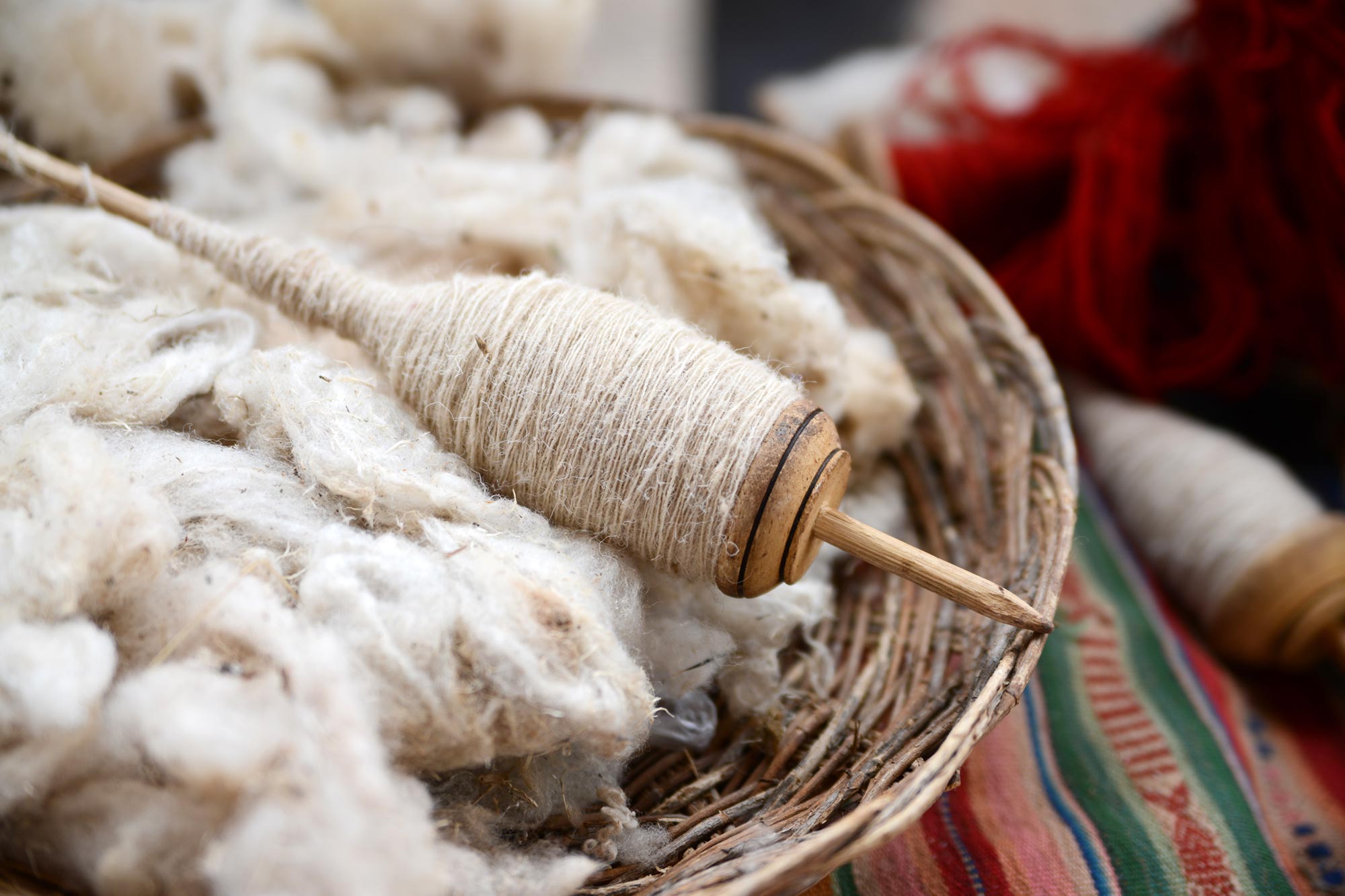
Summary of Scientists Turn Wool Into Bone-Healing Material in Medical Breakthrough:
A recent study from King’s College London shows that keratin, a protein derived from wool, effectively supports bone regeneration in living systems. Compared to collagen, traditionally used in regenerative medicine, keratin scaffolds produced bone tissue that is more organized and structurally stable. Researchers tested these membranes in animal models, finding that they guided new bone growth and integrated well with surrounding tissue, enhancing their potential for clinical applications. The use of wool-derived keratin is also sustainable, providing a renewable alternative to collagen, which has several drawbacks, including expense and instability. This breakthrough positions keratin as a promising biomaterial for future medical treatments.
*****
Summary Bullet Points
- Researchers have developed a bone-healing material from wool-derived keratin, showcasing its potential for regenerative medicine.
- The new keratin membranes produced organized bone tissue that more closely resembles natural bone compared to traditional collagen.
- Wool, a sustainable material often discarded by the farming industry, presents an eco-friendly option for medical applications.
- Early tests indicate that keratin membranes are stable and supportive of bone regeneration in living animals.
- This breakthrough challenges the longstanding reliance on collagen in regenerative medicine.
Scientists Turn Wool Into a Bone-Healing Material—A Revolutionary Medical Breakthrough
Imagine a world where discarded materials can be transformed into life-saving medical innovations. This isn’t just an aspirational thought; it’s becoming reality. Recent research has unearthed a fascinating application for wool, specifically keratin, a protein extracted from this seemingly ordinary material. What if I told you that the wool plucked from our beloved alpacas could pave the way for advanced bone-healing procedures? Buckle up, because we are diving into a field where biology and sustainability intersect—creating a powerful elixir for bone regeneration.
What Is Keratin and Why Is It Important?
Keratin is a structural protein that comprises the outer layer of animal skin, hair, and wool. It’s tough, resilient, and abundant, making it an unparalleled candidate for various biomedical applications. For years, collagen—a primary protein in mammals—has dominated the landscape of regenerative medicine. Used as scaffolding in various treatments, collagen has been somewhat of a staple. However, its drawbacks are significant, including short degradation times and a lack of structural integrity under pressure.
In this new study conducted by researchers at King’s College London, the team has turned the paradigm on its head by demonstrating that keratin from wool can form membranes that effectively guide bone regeneration. This revelation sets keratin as a potential game-changer in the realm of tissue engineering.
The Genesis of Keratin Membranes
The journey began with a simple inquiry: Could we utilize side products, like wool, in medical science? After thorough experimentation, the researchers created keratin membranes through chemical treatment, resulting in stable and durable scaffolds. These scaffolds are not just a theoretical concept; they are born from practical, real-world applications.
In the lab, initial tests proved promising. The keratin membranes supported human bone cells, exhibiting remarkable signs of healthy bone development. To take this research a step further, they implanted these keratin scaffolds into rats with skull defects—an area that wouldn’t heal on its own. Observing the results over weeks illuminated an exciting path forward.
Observations and Insights
What the researchers discovered was revolutionary. Although collagen membranes initially generated more bone, the bone produced with keratin membranes displayed a remarkable difference in structure. It was not just about quantity but quality. The organized, stable bone tissue closely mirrored healthy natural bone, a vital criterion for successful healing.
What’s particularly compelling is that these keratin membranes integrated seamlessly with surrounding tissues, displaying stability throughout the healing process. Dr. Sherif Elsharkawy, a key figure in this research, pointed out that the study brought keratin “significantly closer to use in real patients.” This statement is not merely a scientific assessment; it encapsulates the hope that transcends beyond labs and into hospitals.
The Wonderful World of Sustainability
Let’s step back for a moment and think about something incredibly important: sustainability. In an era where environmental concerns are at the forefront, using a naturally sourced material like wool can’t be overlooked. Wool is often discarded as waste by the farming industry, representing an untapped resource that can be repurposed for good. Imagine if we could take what is usually considered garbage and transform it into something beneficial for humanity.
This aspect of the research aligns beautifully with global efforts toward sustainability. The keratin derived from wool represents a renewable and expansive option for medical applications, setting a framework where waste can become a treasure.
Going Beyond Bones
While the focus of this research is on bone healing, the potential applications of keratin are far-reaching. Explore the possibilities: could keratin membranes be utilized in dental procedures? Could they assist in healing other types of soft tissue?
The beauty of scientific research is its spiraling nature—every breakthrough leads to another inquiry. When one door opens, multiple avenues emerge. The exploration of keratin’s capabilities holds exciting promise, not just in bone regeneration but in a wider context within medicine.
Challenges Ahead
Of course, no scientific breakthrough comes without its hurdles. One of the most significant challenges ahead is ensuring that keratin can be safely and effectively utilized in humans, going beyond animal models to clinical applications. Complications can arise in translating findings from lab to real-world practice, but each challenge opens a new opportunity for innovation.
The commercial viability of keratin membranes also deserves attention. As researchers continue to refine the extraction and processing methods, the potential for scaling these applications within the medical community grows. What once seemed like a tantalizing notion is now inching toward potential commercialization.
Final Thoughts: A Call to Action
Every significant scientific breakthrough serves as a reminder that the intersection of nature and technology can yield transformative results. As researchers continue to investigate and refine these wool-derived keratin membranes, it presents not only a beacon of hope for those in need of medical treatment but also a lightweight, sturdy alternative to existing options.
This story is about much more than just science; it’s about possibility. It’s a call to keep exploring, questioning, and innovating. Each step forward in this journey can inspire individuals—not just in the medical field but across all areas of life.
When faced with challenges, whether in science or our personal lives, we should strive to view obstacles as opportunities for growth. Embrace new ideas, explore unconventional solutions, and never underestimate the power of seemingly simple materials to change the world.
The journey from wool to bone healing material is an inspiration—completed with passion, ingenuity, and a sprinkle of sustainability. This is a story worth following, an evolution worth witnessing, and a transition worth celebrating. What other mysteries lie in wait, hidden away in the unassuming corners of our world? The adventure has only just begun.
