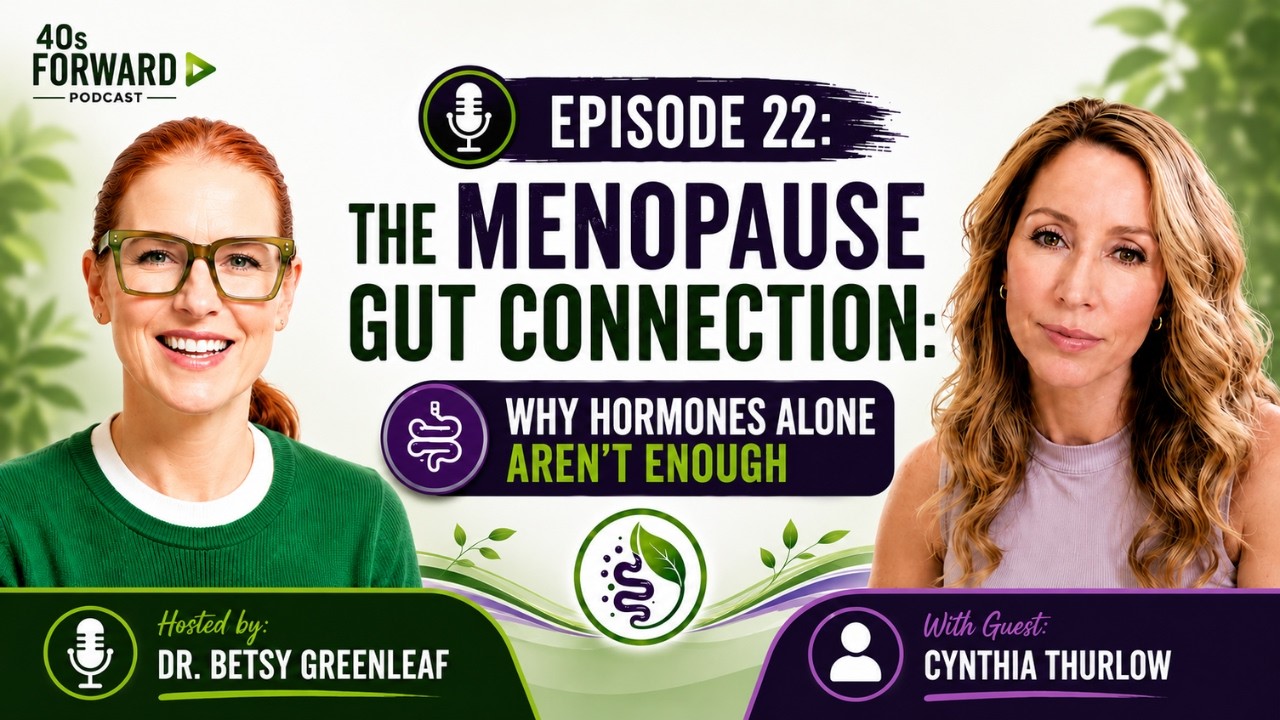
- The connection between menopause and gut health.
- Impacts of hormonal changes on metabolic processes.
- Importance of a balanced diet for managing menopause symptoms.
- The role of insulin sensitivity during and after menopause.
- Strategies for optimizing gut health in menopausal women.
The connection between menopause and gut health has garnered increasing attention in recent years. As women enter this life stage, they experience various hormonal shifts that can affect not only their physical well-being but also their digestive health. Understanding how these changes influence gut function can provide essential insights for managing menopause symptoms effectively.
During menopause, a decline in estrogen levels occurs, significantly impacting metabolic processes within the body. Estrogen plays a crucial role in several physiological functions, including fat distribution, bone density, and insulin sensitivity. As estrogen levels drop, changes in body composition often result, such as increased abdominal fat and a decreased metabolic rate. Research indicates that these changes can lead to insulin resistance, a critical factor in the development of metabolic diseases.
The hormonal fluctuations during menopause complicate matters further. The hormonal balance is vital for maintaining a healthy gut microbiome, the community of microorganisms residing in the intestines. An imbalance in this microbiome can lead to digestive issues, including bloating, constipation, or even irritable bowel syndrome (IBS). This indicates that hormonal changes associated with menopause significantly affect gut health, and simply addressing the hormonal symptoms may not suffice for holistic well-being.
Diet plays an instrumental role in managing menopause symptoms and supporting gut health. A balanced diet rich in whole foods can help mitigate some of the adverse effects associated with hormonal shifts. Nutrients such as fiber, probiotics, and healthy fats are critical during this phase. Fiber aids in digestion and promotes a healthy gut microbiome, while probiotics help replenish beneficial bacteria that may decline due to hormonal changes. Omega-3 fatty acids, commonly found in fatty fish and flaxseeds, can also play a role in reducing inflammation, which can exacerbate menopause symptoms.
Managing insulin sensitivity is another crucial aspect of navigating menopause. Insulin resistance can lead to heightened blood sugar levels and weight gain, compounding the metabolic challenges faced during this transitional phase. Regular physical activity can enhance insulin sensitivity, offering an effective countermeasure to hormonal-induced weight gain. Activities such as strength training, cardio, and flexibility exercises play a significant role in maintaining metabolic health. Nutrition also impacts insulin sensitivity. Consuming a diet rich in low-glycemic foods—like vegetables, whole grains, and legumes—can improve insulin function.
Optimizing gut health is integral for women experiencing menopause. Key strategies include incorporating fermented foods, such as yogurt, kefir, and sauerkraut, into daily meals to facilitate gut microbiome balance. Eating a variety of colorful fruits and vegetables can also provide essential antioxidants and vitamins that support overall health during this transitional period. Hydration is often overlooked but remains vital for digestive health and hormonal balance. Moreover, reducing processed foods high in sugars and unhealthy fats can prevent inflammation and promote a healthier gut.
As with any significant transition in life, menopause brings unique challenges. Understanding the interplay between hormones and gut health can empower women to make informed choices about their diet and lifestyle. Through targeted nutrition and lifestyle strategies, individuals can alleviate menopause symptoms and foster overall well-being.
While hormonal therapies are available for managing menopausal symptoms, they often do not address gut health adequately. This is essential to consider when approaching management strategies for menopause. The interplay between gut health and hormonal balance highlights the necessity of a holistic view. Addressing one factor without considering the other may hinder optimal results.
For many women, seeking guidance from healthcare professionals specializing in menopause, diet, and gut health can offer a wealth of knowledge. Collaborating with a registered dietitian can lead to personalized dietary interventions, ensuring that nutrient needs are being met while also targeting specific symptoms. Additionally, awareness and education can empower women to advocate for their health during this transitional period.
The menopause gut connection is an important consideration for women navigating this phase. By recognizing the intricate relationship between hormonal changes and digestive health, individuals can take proactive steps to enhance their well-being. Engaging in healthy lifestyle modifications, such as focusing on diet, managing stress, and incorporating exercise, can yield significant benefits.
In summary, understanding the menopause gut connection is critical for managing health during this life stage. Hormonal changes impact metabolic processes and gut function, necessitating a multifaceted approach to care. Prioritizing a balanced diet, improving insulin sensitivity, and fostering good gut health allows women to navigate menopause more effectively. By taking these factors into account, women can achieve a better quality of life during and after menopause.
*****
Source Description
In this episode of 40s Forward, Dr. Betsy Greenleaf sits down with Cynthia Thurlow, nurse practitioner, two-time TEDx speaker, bestselling author, and internationally recognized expert in perimenopause, menopause, and women’s metabolic health.
While hormones play a critical role in helping women navigate midlife, Cynthia explains why hormone replacement therapy is only part of the solution. Drawing from both personal experience and decades of clinical practice, she shares why the gut microbiome may be one of the most overlooked factors affecting energy, weight, mood, inflammation, immunity, and overall health during perimenopause and menopause.
Her new book, The Menopause Gut Balance, explores how changes in estrogen, progesterone, and testosterone impact the gut and why supporting the microbiome is essential for thriving in midlife and beyond.
What You’ll Learn in This Episode
• Why hormone replacement therapy is important—but not enough on its own
• How the gut microbiome changes during perimenopause and menopause
• The connection between hormones, immunity, and digestive health
• Why many women continue to struggle despite being on hormones
• How gut health impacts metabolism, weight, and energy levels
• The role of the microbiome in inflammation and chronic disease risk
• Why stress, sleep, and lifestyle choices influence gut health
• Practical strategies to support your microbiome in midlife
• How understanding your physiology can transform your health outcomes
The Missing Piece in Menopause Care
Many women are told that hormones will solve all of their menopause symptoms. Cynthia explains that while hormone replacement therapy can be incredibly beneficial, it doesn’t address every underlying issue.
The gut microbiome interacts with nearly every organ system in the body and influences how hormones are metabolized, utilized, and eliminated. Ignoring gut health can leave women feeling frustrated when symptoms persist despite hormone therapy.
How the Gut Changes During Midlife
As estrogen, progesterone, and testosterone levels fluctuate and decline, significant changes occur within the gut microbiome.
These shifts can affect digestion, immune function, nutrient absorption, inflammation, mood, and metabolic health. Cynthia discusses why women often begin experiencing digestive symptoms, food sensitivities, fatigue, and unexplained weight changes during this stage of life.
The Gut-Hormone Connection
The conversation explores how the microbiome influences hormone balance and overall wellness.
Dr. Greenleaf and Cynthia discuss why addressing gut health may improve outcomes for women struggling with weight resistance, brain fog, low energy, mood changes, and chronic inflammation.
Rather than focusing solely on replacing hormones, they emphasize a more comprehensive approach that supports the entire body.
Beyond Hormones: A Root-Cause Approach
Cynthia shares how her own health challenges led her to dive deeper into microbiome research and uncover important patterns among women in midlife.
The discussion highlights the importance of looking beyond symptom management and understanding the root causes that may be driving health concerns.
Key Takeaways
• The gut microbiome plays a major role in menopause health
• Hormone therapy is valuable but not a complete solution
• Changes in hormones can significantly impact gut health
• The microbiome influences metabolism, immunity, mood, and inflammation
• Supporting gut health may improve many common menopause symptoms
• Lifestyle, stress management, sleep, and nutrition all affect the microbiome
• A root-cause approach leads to better long-term outcomes
Who This Episode Is For
• Women navigating perimenopause or menopause
• Anyone struggling with fatigue, weight gain, or digestive issues after 40
• Healthcare practitioners interested in root-cause medicine
• Women already using hormone therapy who want better results
• Functional and integrative medicine enthusiasts
• Anyone interested in longevity, metabolism, and healthy aging
Guest Resources
Cynthia Thurlow
Author of The Menopause Gut Balance
Host of the Everyday Wellness Podcast
Key Quote
“Hormone replacement therapy is important, but understanding and supporting the gut microbiome may be one of the biggest opportunities women have to improve their health in midlife.”
If this episode changed the way you think about menopause and gut health, share it with a friend who needs to hear it.
Follow 40s Forward for more conversations about hormones, longevity, gut health, sexual wellness, and thriving after 40.