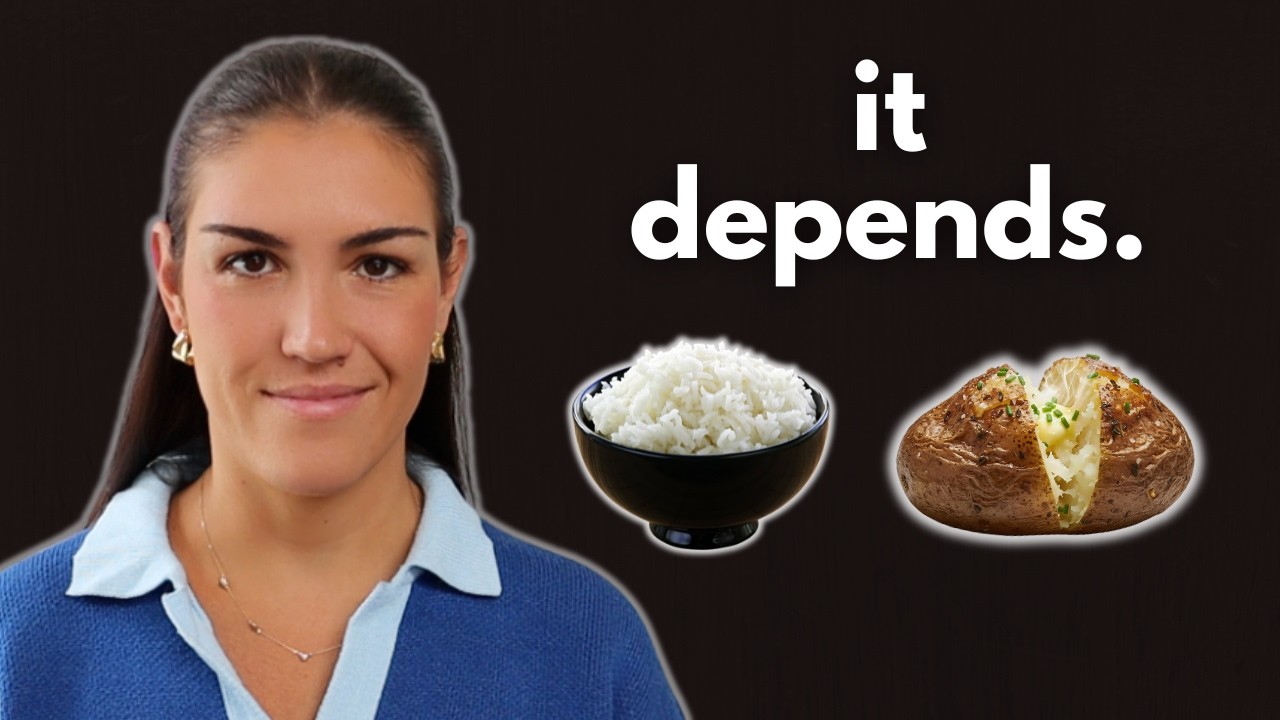
- Comparison of carbohydrate content in rice and potatoes
- Glycemic index and its significance in blood sugar response
- Nutritional profile of rice vs. potatoes
- Impact of preparation methods on blood sugar levels
- Conclusion on choosing between rice and potatoes for blood sugar management
Rice and potatoes are two staple foods consumed globally. Both offer unique textures, flavors, and nutritional benefits. However, there remains an ongoing discussion on which of the two foods is more likely to spike blood sugar levels. Understanding the carbohydrate content, glycemic index, nutritional profile, and preparation methods can shed light on this vital dietary consideration.
The carbohydrate content in these foods plays an essential role in determining how they affect blood sugar. Rice is primarily composed of carbohydrates, with white rice containing about 45 grams of carbohydrates per cooked cup, while brown rice offers about 40 grams. In contrast, a medium-sized potato, approximately 150 grams, has around 30 grams of carbohydrates. While both foods provide essential energy, the total amount is a key factor in blood glucose impact.
Examining the glycemic index (GI) is crucial. The glycemic index ranks carbohydrates based on how they affect blood glucose levels after consumption. A higher GI indicates a rapid spike in blood sugar. White rice has a GI ranging from 70 to 90, depending on the variety, while brown rice has a lower range of about 50 to 55. Potatoes are similarly variable; the GI can vary significantly based on the type. For example, Russet potatoes typically have a GI of 85, while sweet potatoes are lower, averaging around 61. Higher GI foods facilitate a more rapid glucose release into the bloodstream, which can lead to pronounced blood sugar spikes.
Looking at the nutritional profile, rice and potatoes both present benefits beyond carbohydrates. Rice is a gentle source of energy, primarily composed of starch and offers some B vitamins. In particular, brown rice contains fiber and minerals like magnesium and zinc, which play roles in maintaining metabolic functions. On the other hand, potatoes are also nutrient-dense, containing vitamin C, potassium, and fiber, especially in the skin. These nutrients contribute to overall health and may have favorable effects on insulin sensitivity.
Preparation methods significantly influence how rice and potatoes impact blood sugar. For rice, cooking time and type play crucial roles. Parboiled rice tends to have a lower GI than regular white rice because the process alters its starch composition, making it less likely to spike blood sugar. Cooking rice for longer also can increase its GI. For potatoes, the method is similarly impactful. Boiling generally results in a lower GI compared to baking or frying. Additionally, leaving the skin on potatoes can also slow the carbohydrate absorption, further moderating blood sugar response.
When considering rice and potatoes in the context of blood sugar management, it is essential to recognize that individual responses can vary. Factors such as portion sizes, overall diet, and pre-existing metabolic conditions will also affect glucose levels post-consumption. Ultimately, while rice often presents a higher glycemic index, contributing to more rapid spikes, the choice between rice and potatoes should be made with personal health goals, dietary context, and preference in mind.
In summary, while rice tends to invoke stronger blood sugar reactions due to its higher carbohydrate content and glycemic index, potatoes do not lag far behind. Both foods provide their own nutritional benefits and can be included in a balanced diet with mindful consideration. Understanding these aspects can empower individuals to make more informed dietary choices in their pursuit of better blood sugar management.
*****
Source Description
Rice vs potato, which one spikes blood sugar more?
Let’s break down the real answer using physiology, not fear. We’ll look at glycemic index, resistant starch, portion size, cooking methods, and how meal structure changes everything.
If you’re working on reversing insulin resistance, the goal is not to obsess over a single carbohydrate. It’s to understand how insulin works, how metabolic flexibility improves, and how to structure meals so blood sugar stays stable.
🩸 Continuous glucose monitors:
USA https://hckait.com/cyborg
Australia https://hckait.com/ottai
Europe https://hckait.com/sibio
———–
*MY METABOLIC TOOLKIT*
💫 Berberine (10% off: KAIT10): https://hckait.com/getsobalanced
🧂 Electrolytes (15% off): https://hckait.com/sodiielectrolytes
🥤 Protein powder (20% off): https://hckait.com/equip
🍳 Non-toxic cookware (15% off): https://hckait.com/misen
🩸 At-home insulin resistance test (10% off: KAIT10) https://hckait.com/getsowell
🔥 Continuous ketone monitor (15% off): https://hckait.com/ckm
🚨 Red light therapy ($260 off): https://hckait.com/rlt
☕️ MCT oil: https://hckait.com/bulletproof
*WATCH NEXT*
*SOCIAL LINKS*
Instagram: https://instagram.com/healthcoachkait
TikTok: https://tiktok.com/@healthcoachkait
Facebook: https://facebook.com/.com/healthcoachkait
*TIME STAMPS*
0:00 Intro
0:28 The short answer…
0:42 How different starches affects blood sugar
1:24 Resistant starch explained
2:06 Glycemic index vs real life
3:57 Comparing satiety index score
4:23 What happens if you’re insulin resistant?
5:33 What about brown rice and blood sugar?
6:10 How to make rice and potatoes blood sugar friendly
6:59 How to test your own response
7:45 What actually reverses insulin resistance
*ABOUT ME*
Hi, I’m Kait Malthaner (aka Health Coach Kait), a certified health and nutrition coach specialising in blood sugar balance and reversing insulin resistance. I help you simplify health so you can naturally lower blood sugar, A1c, and blood pressure, lose stubborn belly fat, and feel your best again. Getting healthy doesn’t have to be complicated. Small changes lead to big results.
Disclaimer: This video is for informational purposes only and is not a substitute for professional medical advice. Always consult your doctor regarding any medical concerns. Some links are affiliate links, meaning I may earn a small commission at no extra cost to you. I only recommend products I personally use, trust, and love.
#GlycemicIndex #BloodSugarControl #BloodSugarTips