- Understanding insulin resistance and its implications for health
- The role of diet in reversing insulin resistance
- Practical strategies for lifestyle modification
- The significance of regular monitoring and assessment
- The urgency of addressing insulin resistance before 2026
Insulin resistance is increasingly recognized as a substantial health challenge. When the body’s cells do not respond effectively to insulin, it leads to elevated blood sugar levels and ultimately increases the risk of type 2 diabetes and cardiovascular diseases. Understanding how insulin resistance develops is critical for implementing effective prevention and reversal strategies. Factors such as genetics, sedentary lifestyle, and poor dietary choices contribute to this condition. Over time, insulin resistance can escalate, making it essential not only to recognize the problem but to take actionable steps to combat it.
Diet plays an integral role in the development and management of insulin resistance. Research shows that a high intake of processed foods, sugars, and unhealthy fats can exacerbate the issue. Conversely, diets rich in whole foods, such as vegetables, lean proteins, and healthy fats can significantly improve insulin sensitivity. The Mediterranean diet, for example, emphasizes nutrient-dense foods that lower inflammation and improve metabolic function. Making conscious dietary choices that reduce intake of glucose and insulin-stimulating foods is a vital step in reversing insulin resistance.
Adopting practical strategies for lifestyle modification is crucial in this context. Regular physical activity can enhance insulin sensitivity, helping the body utilize glucose more efficiently. Both aerobic exercises, like walking and cycling, and strength training can yield beneficial outcomes. Aiming for at least 150 minutes of moderate-intensity exercise each week is a general guideline that can produce significant improvements in metabolic health. Besides physical activity, effective stress management must also be part of a comprehensive approach. Chronic stress can have serious implications for insulin sensitivity, as it triggers the release of hormones that may negatively influence blood sugar levels. Thus, activities such as yoga, meditation, or simply taking time for hobbies can be beneficial.
Consistent monitoring and assessment are essential components of managing insulin resistance. Regular check-ups with healthcare professionals can help track blood sugar levels, insulin sensitivity, and overall metabolic health. Many healthcare providers advocate for continuous glucose monitoring (CGM) as a method to gain insights into how dietary choices and lifestyle activities affect blood sugar levels in real-time. This data can guide personal adjustments that enhance overall health. Furthermore, education on the glycemic index (GI) of foods helps individuals make informed choices that can prevent sudden spikes in blood sugar, thus supporting insulin function.
The urgency of addressing insulin resistance is amplified by current health trends. Projections indicate an increasing prevalence of diabetes and metabolic syndrome across many populations. The World Health Organization and similar bodies recommend immediate action to curb this trend before 2026. Engaging in preventive measures now can help avert the long-term effects of insulin resistance, reducing health care costs and improving quality of life for many affected individuals.
Recognizing the multifaceted nature of insulin resistance is essential for successful interventions. While dietary changes and increased physical activity are vital, social and psychological factors also play a significant role. Community support, education, and mental health resources can enhance an individual’s ability to make and maintain lifestyle modifications. Collaboration from various sectors, including healthcare providers, community programs, and policymakers, can create an environment that fosters healthier choices.
Scientific research continues to explore the complex interplay of various factors influencing insulin sensitivity. Investigating the role of gut health, for instance, has become a focal point. A healthy gut microbiome may contribute to better insulin sensitivity, indicating a larger web of connections involved in metabolic processes. Probiotic and prebiotic foods can alter gut health positively, and incorporating these into one’s diet may provide additional benefits.
Furthermore, sleep quality has emerged as an important factor linked to insulin resistance. Studies have shown that inadequate sleep can affect hormonal regulation and insulin sensitivity. Prioritizing a regular sleep schedule and creating a conducive sleeping environment can significantly impact metabolic health.
Implementing these strategies is often more effective when approached on an individual basis. Personalization allows individuals to identify their specific triggers and barriers. Close attention to how particular foods affect blood sugar can provide invaluable insights. It is also essential to engage in ongoing education regarding metabolic health, as knowledge empowers individuals to make informed decisions.
As time progresses, keeping abreast of new findings in nutrition science is important. Dietary trends may shift, and remaining well-informed allows for adjusting strategies to suit changing conditions. For example, intermittent fasting has gained traction as a method to improve insulin sensitivity for many, but understanding its implications fully is essential before making dietary changes.
Research into insulin resistance employs varying methodologies, from clinical trials to observational studies, contributing to a wide array of insights. Scientists and health practitioners are constantly investigating new supplements, diets, and exercise regimens to better understand their effects on insulin sensitivity. Personal experiences, anecdotal evidence, and robust scientific studies all provide layers of information that can shape future recommendations.
In exploring these themes, the overarching goal remains clear: reversing insulin resistance becomes a collective aim, benefiting individuals and society at large. It is evident that a multi-pronged approach addressing diet, lifestyle, mental health, and community support can create a solid foundation for combating insulin resistance effectively. Making informed choices can guide an individual toward a healthier future and play a part in reducing the projected increases in diabetes and related health issues before 2026.
Understanding the critical nature of this health challenge calls for proactive measures that encompass an understanding of food, exercise, stress management, and the importance of ongoing education. Avoiding complacency is essential, as the statistics regarding metabolic health continue to underline an urgent need for action. Thus, fostering an environment that supports healthy living is not merely advisable but necessary for systemic change.
The Last Time You Start Over: A No-Nonsense Plan to Reverse Insulin Resistance Before 2026 addresses many of these points, providing a roadmap for individuals ready to take charge of their metabolic health. Through a combination of targeted dietary advice, actionable lifestyle changes, and a comprehensive understanding of the underlying mechanisms of insulin resistance, readers can empower themselves to reclaim their health.
*****
Source Description
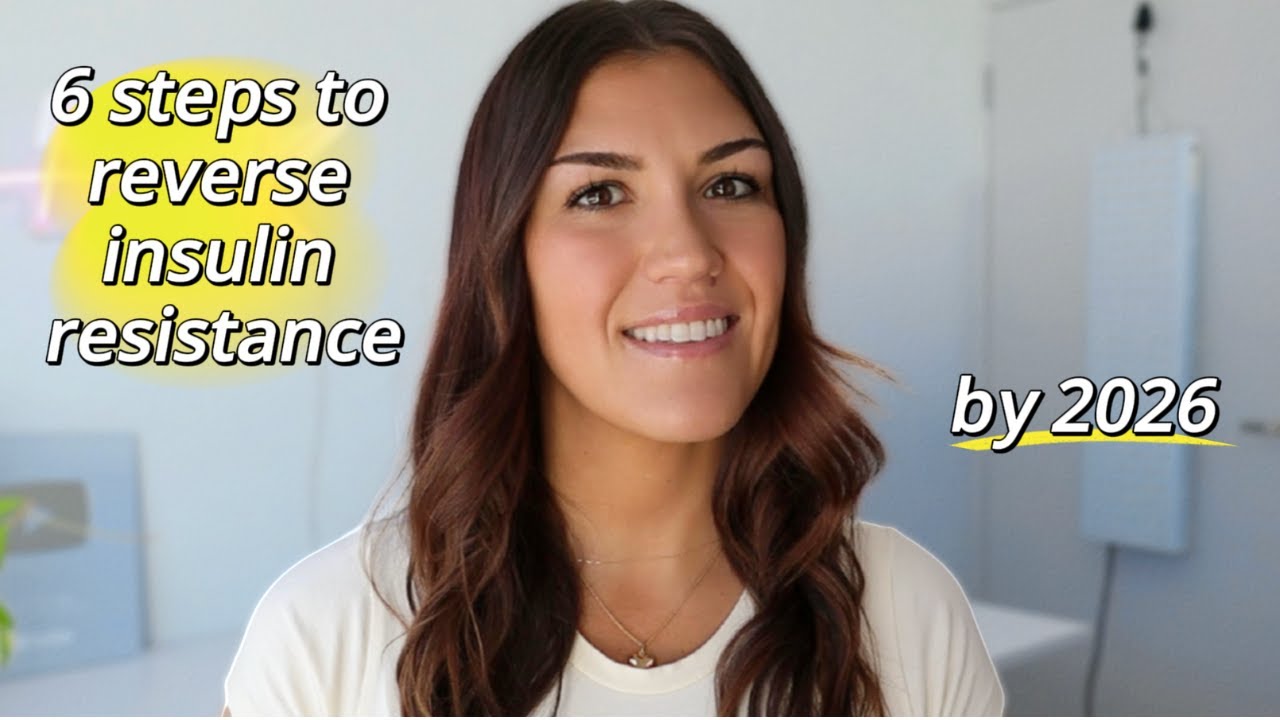
Reverse insulin resistance before 2026 with a no-nonsense plan you can start today. In this video, I walk you through six simple, science-backed habits that help your body respond to insulin again… especially if you’re over 40, going through menopause or any other age but just tired of “starting over”.
You’ll learn how to stabilise blood sugar, rebuild metabolic health and set yourself up for lasting change. Not just quick fixes that get you caught in the cycle of yo-yo dieting.
Want to get a baseline insulin test and monitor your progress? Check out the at-home testing kit by SoWell Health: https://hckait.com/getsowell Use code KAIT10 for a discount.
⸻
🩸 3-Day Blood Sugar Reset → https://healthcoachkait.com/bloodsugarreset
⚠️ 7-Day Insulin Resistance Masterclass → https://healthcoachkait.com/IRmasterclass
🎧 Healthy Not Complicated Podcast → https://hckait.com/podcast
Hi, I’m Kait Malthaner (aka Health Coach Kait), a certified health and nutrition coach specializing in blood sugar balance and reversing insulin resistance. I help you simplify health so you can naturally lower blood sugar, A1c, and blood pressure, lose stubborn belly fat, and feel your best again. Getting healthy doesn’t have to be complicated. Small changes lead to big results.
⸻
Recommended Products & Discounts
🩸 At-Home Insulin Resistance Test (Code: KAIT10) → https://hckait.com/getsowell
🧂 Electrolytes (Code: HCK15) → https://hckait.com/sodiielectrolytes
💫 Berberine (Code: KAIT10) → https://hckait.com/getsobalanced
🩷 Inositol (Code: KAIT10) → https://hckait.com/getsosynced
🥤 Blood Sugar Drinks (Code: KAIT15) → https://hckait.com/goodidea
💪 Protein Powder (Code: HCK15) → https://hckait.com/protein
🔥 CKM (Code: KAIT15) → https://hckait.com/ckm
📱 CGM (Code: ULTRAKAIT15) → https://hckait.com/cgm
⸻
Timestamps
0:00 Why you might be doing everything right and still struggling
1:16 What is insulin resistance?
2:01 Why it’s more common as we age
2:52 Step 1: Up your protein
3:41 Step 2: Stop grazing
4:33 Step 3: Don’t sleep on sleep
5:01 Step 4: Don’t take your muscle for granted
5:27 Step 5: Take ACV every night
5:49 Step 6: Track and adjust
⸻
Disclaimer:
This video is for informational purposes only and is not a substitute for professional medical advice. Always consult your doctor regarding any medical concerns. Some links are affiliate links, meaning I may earn a small commission at no extra cost to you. I only recommend products I personally use, trust, and love.