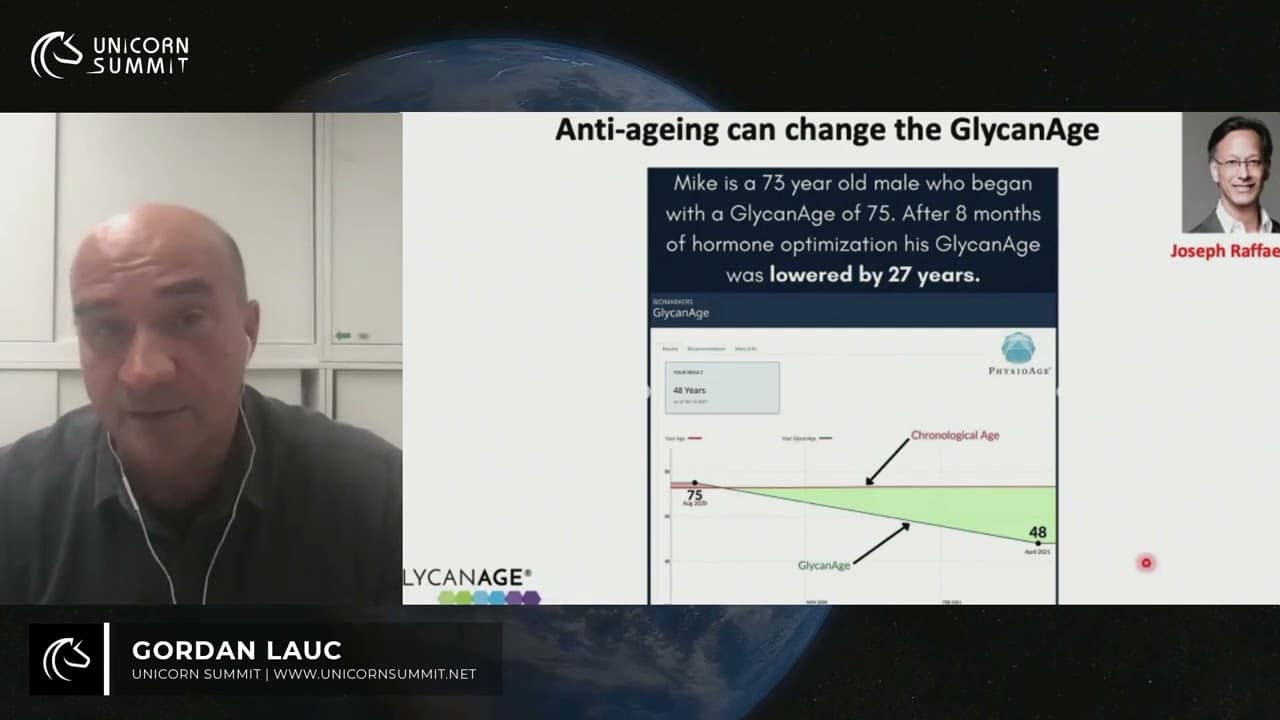
- The role of the microbiome in reverse aging
- Hormone optimization and its effects on aging
- Dietary strategies for enhancing microbiome health
- The relationship between insulin sensitivity and aging
- Practical steps for implementing microbiome and hormone optimization
The relationship between the microbiome and reverse aging is an area of growing interest in scientific research. The microbiome comprises trillions of microorganisms living in and on our bodies, influencing numerous physiological functions. These bacteria not only play a critical role in digestion but also affect metabolism, immune response, and even mental health. Studies have shown that an optimized microbiome can slow down the aging process through its interaction with various biological systems.
Diversity within the microbiome is vital for health. A varied microbiome can enhance nutrient absorption and increase resistance to pathogens. This diversity appears to decline with age, leading to what is referred to as dysbiosis, which is associated with age-related diseases. Restoring this balance through diet and lifestyle changes can have significant effects on aging. By focusing on prebiotics, probiotics, and a diet rich in fiber, individuals may support the health of their microbiome and, consequently, their longevity.
Hormone optimization plays an equally critical role in the aging process. Hormones are regulatory messengers that influence metabolism, mood, and even immune function. As individuals age, hormone production tends to fluctuate and often decline, leading to symptoms such as fatigue, weight gain, and diminished mental clarity. Balancing hormones through lifestyle adjustments, including nutrition and physical activity, can have profound benefits.
Key hormones like insulin, testosterone, estrogen, and cortisol are interconnected and can all impact aging. Insulin sensitivity, for instance, is a crucial factor in metabolic health as it allows cells to utilize glucose effectively. Improved insulin sensitivity is linked to lower inflammation levels, better energy balance, and a reduced risk of metabolic diseases. Age-related decline in insulin sensitivity may predispose individuals to conditions such as Type 2 diabetes and cardiovascular diseases.
Dietary strategies for enhancing the microbiome offer practical and actionable steps for individuals interested in reverse aging. Consuming a diverse array of foods, particularly those high in fiber and fermented products, provides essential nutrients that nourish beneficial bacteria. Fruits, vegetables, whole grains, legumes, and fermented foods like yogurt, kefir, and kimchi promote microbial diversity. Omega-3 fatty acids from sources such as fish and flaxseed can reduce inflammation, further aiding microbiome health.
Additionally, avoiding excessive sugars and processed foods is key. High-sugar diets can lead to an imbalance in gut bacteria, promoting the proliferation of harmful species. These changes negatively impact inflammation and the overall health of the microbiome. By focusing on whole, nutrient-dense foods, individuals can cultivate a thriving microbiome and enhance their overall health.
The relationship between insulin sensitivity and aging can be further elucidated through various lifestyle interventions. Regular physical activity is one of the most effective strategies for improving insulin sensitivity. Exercise helps muscles utilize glucose more effectively, reducing the amount of insulin required to regulate blood sugar levels. Resistance training, in particular, has been shown to be effective in enhancing insulin sensitivity.
Stress management also plays a significant role. Chronic stress can lead to elevated cortisol levels, which increase insulin resistance. Incorporating relaxation techniques such as meditation, yoga, or mindfulness can help regulate cortisol levels and improve insulin sensitivity.
Practical steps for integrating microbiome and hormone optimization into daily life involve several components. First, individuals can start by assessing their dietary habits. Keeping a food diary for a week can provide insights into dietary trends and areas for improvement. Aim for a colorful plate filled with various fruits and vegetables, lean proteins, and whole grains.
Next, consider incorporating fermented foods into meals. These foods can introduce beneficial bacteria to the gut, enhancing microbiome health. This could involve adding kefir to smoothies, snacking on yogurt, or enjoying sauerkraut as a side dish.
Additionally, staying hydrated is important. Water plays a crucial role in digestion and nutrient absorption. Adequate hydration can support both microbiome health and hormone function.
Furthermore, prioritize sleep quality. Inadequate sleep can lead to hormonal imbalances, particularly insulin and cortisol. Establishing a restful sleep routine, including a consistent schedule and a comfortable sleep environment, can significantly affect overall health and longevity.
Finally, regular health screenings can aid in monitoring hormone levels and detecting any potential issues early. By working with healthcare professionals, individuals can develop personalized strategies for hormone optimization and micriobiome health.
Together, these approaches align to promote reverse aging through microbiome and hormone optimization. Achieving balance within these systems can enhance physical and mental performance, improve quality of life, and mitigate the risk of age-related diseases. The scientific evidence continues to support the notion that lifestyle choices play a crucial role in determining how we age.
Use of dietary supplements may also contribute positively to this journey. Certain probiotics can introduce beneficial microbes to the gut, while vitamins and minerals play critical roles in hormone production and function. Always consult with a healthcare provider before introducing new supplements, as individual needs can vary widely.
The interplay between the microbiome and hormone health creates a holistic view of health and wellness. It opens doors to exploring how these systems affect one another and reinforces the idea that aging is not just a product of time but a reflection of choices made throughout life.
Maintaining a healthy, balanced microbiome can enhance not only physical health but also emotional wellbeing. Those who prioritize their gut health often find improvements in mood, energy levels, and overall happiness. Creating an environment conducive to beneficial microbial growth can lead to lasting change in one’s sense of vitality.
Thus, understanding and implementing changes in dietary habits, stress management, and overall lifestyle can serve as valuable tools in reversing aging processes. By making conscious decisions and fostering awareness about their health, individuals can unlock the potential of microbiome and hormone optimization.
*****
Source Description

