- The role of the oral microbiome in overall health
- Dietary choices for optimizing oral microbiome health
- The impact of lifestyle factors on oral microbiome balance
- Strategies for maintaining a healthy oral microbiome
- The significance of regular dental practices in oral microbiome management
The oral microbiome plays a crucial role in overall health. It consists of various bacteria, fungi, and viruses that inhabit the mouth. These microorganisms perform essential functions, such as aiding digestion, protecting against pathogens, and contributing to mucus production. A balanced oral microbiome can enhance immunity and reduce inflammation, while an imbalanced microbiome can lead to dental ailments like cavities and gum disease, as well as broader health issues, including metabolic disease and insulin sensitivity challenges.
Dietary choices significantly influence the state of the oral microbiome. Nutrition is pivotal in maintaining the microbial balance within the mouth. Consuming a diet high in processed sugars and carbohydrates often leads to the overgrowth of harmful bacteria, which can produce acids detrimental to tooth enamel. Conversely, a whole-food diet rich in vitamins, minerals, and fiber supports beneficial bacteria. Foods containing prebiotics and probiotics, such as fermented products, can also bolster a healthy oral microbiome. Prebiotics, found in foods such as garlic and onions, serve as food for good bacteria, while probiotics from sources like yogurt and kefir introduce beneficial microbes directly.
Lifestyle factors also play a significant role in maintaining a balanced oral microbiome. Regular physical activity can enhance metabolic function and improve stress management. Stress can negatively impact the microbiome by altering immune pathways, thus creating an environment conducive to harmful bacteria. Sleep health is another vital aspect, as lack of quality sleep may disrupt the microbiome balance and overall immune function. Adequate hydration is also essential; saliva helps in maintaining microbial balance by flushing out harmful substances and delivering beneficial compounds necessary for oral health.
Implementing various strategies can aid in maintaining a healthy oral microbiome. First, regular oral hygiene practices are fundamental. Brushing teeth at least twice daily and flossing can effectively reduce the bacterial load. Moreover, rinsing with solutions containing antimicrobial properties can further contribute to oral health. Avoiding mouthwashes with high alcohol content is advisable, as they may disrupt the microbial balance. Additionally, incorporating natural options like essential oils—such as tea tree oil, known for its antimicrobial properties—can aid in supporting beneficial microbes.
Another critical aspect is the significance of regular dental visits. Professional cleanings help maintain oral health by removing plaque and tartar that regular brushing might miss. Dentists can also identify potential issues early, helping to prevent them from escalating into larger problems. This proactive approach to dental care is equally essential for preserving the health of the oral microbiome.
Exploring the relationship between diet and oral microbiome health reveals that making informed choices can lead to long-lasting benefits. Consuming more plant-based foods increases fiber intake, supporting beneficial bacteria that thrive on complex carbohydrates. Colorful fruits and vegetables, particularly those rich in antioxidants, help to combat oxidative stress, promoting microbial diversity and balance. Incorporating nuts and seeds also contributes healthy fats, which can reduce inflammation within the oral cavity.
Fermented foods, such as sauerkraut, kimchi, and kefir, are packed with probiotics that can help to restore microbial balance. These foods introduce live bacteria directly into the gut and oral microbiome, nurturing an environment where healthy microbes can flourish. It is also valuable to consume foods high in vitamin C, which possesses natural antibacterial properties. Citrus fruits, bell peppers, and leafy greens support overall oral health and bolster the immune response against pathogens.
Hydration is often overlooked in discussions about the oral microbiome. Sufficient water intake promotes saliva production, which is vital for maintaining microbial balance. Saliva contains enzymes and antimicrobial agents that protect against harmful bacteria and neutralize acids. Drinking water after meals can wash away food particles and sugars, reducing the risk of bacterial overgrowth.
Lifestyle habits are equally critical in optimizing the oral microbiome. For instance, smoking has detrimental effects on the oral microbiome and overall health. The chemicals in tobacco not only harm the gums but also shift the balance of bacteria, creating an environment more conducive to harmful pathogens. Limiting alcohol consumption is similarly beneficial, as excessive consumption can lead to dehydration, reducing saliva flow and compromising oral health.
Stress management techniques can also play a role in supporting the oral microbiome. High stress levels activate the body’s fight-or-flight response, which can disrupt hormonal balances and lead to inflammation. Practices such as mindfulness, yoga, and regular physical activity are effective in reducing stress and promoting overall well-being. Engaging in these activities may also positively influence microbiome health by creating a favorable environment for beneficial bacteria.
Finally, the importance of regular dental practices cannot be overstated. Daily routines, like brushing and flossing, allow individuals to actively contribute to their oral health. Choosing the right toothbrush and toothpaste can also enhance these practices. Toothpaste containing fluoride can help to remineralize enamel and prevent cavities. However, individuals should be cautious about overly abrasive toothpastes that may irritate gums.
Using the right toothbrush is equally important. A soft-bristled brush effectively cleans teeth while minimizing damage to gums. Replacing the toothbrush every three to four months ensures optimal cleaning efficiency.
Maximizing oral health through food and lifestyle choices can prevent the onset of dental diseases and contribute to broader health benefits. Moreover, many people overlook the bidirectional relationship between oral and systemic health. Conditions like diabetes and heart disease can signal an imbalance in the oral microbiome, while poor oral health can exacerbate chronic health issues. This interconnectedness underscores the importance of nurturing both the oral microbiome and general health through holistic practices.
Empowering individuals to take charge of their oral health through dietary and lifestyle interventions leads to a healthier microbiome and overall well-being. Understanding the intricate connections between what we eat, how we live, and the health of our oral microbiome can foster proactive measures against diseases, enhancing life’s quality.
The insights presented emphasize that improving your oral microbiome is both achievable and crucial. By making educated dietary choices, maintaining a balanced lifestyle, and committing to regular dental practices, individuals can take significant steps toward attaining optimal oral health. Implementing these practices contributes not only to a healthier mouth but also fosters improved overall health outcomes.
*****
Source Description
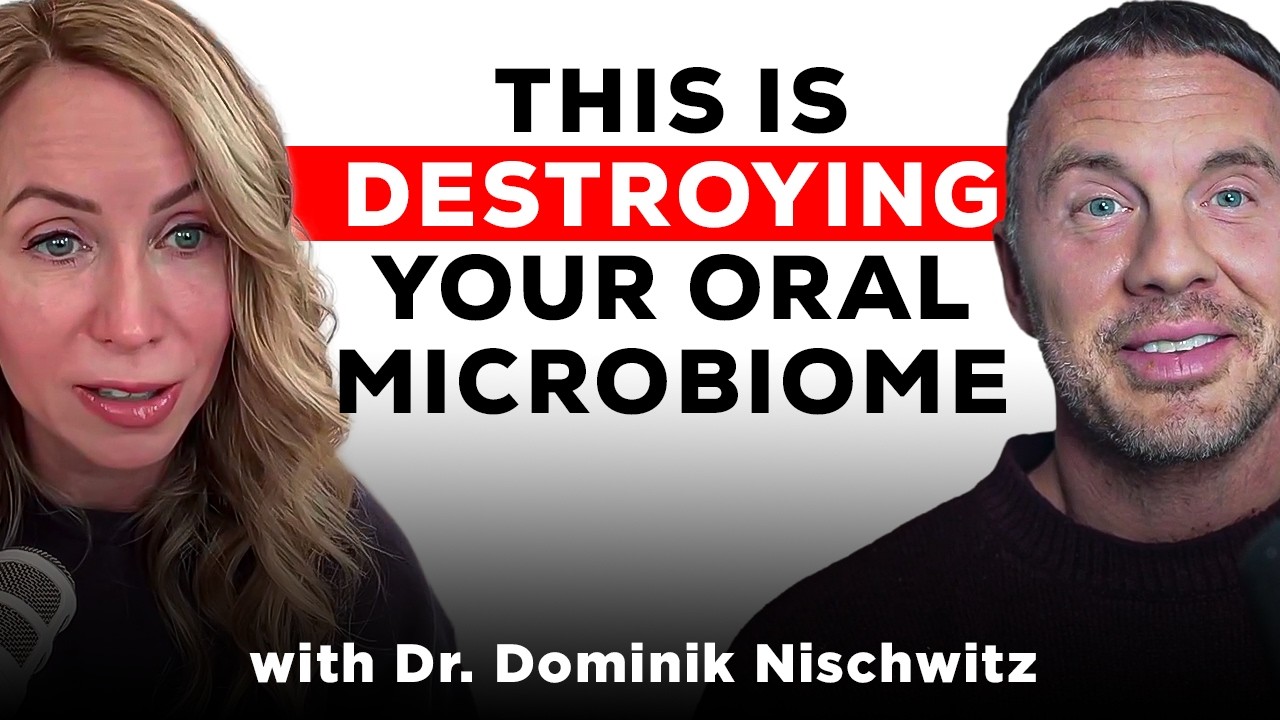
I am honored to connect with Dr. Dominik Nischwitz, a German dentist, pioneer of biological functional dentistry and ceramic implantology, founder of DNA Aesthetics, and the Vice President of the International Society for Metal-Free Implantology. He’s also an author with a particular focus on how optimal health starts in the mouth.
In our discussion, Dr. Nischwitz explains why the oral microbiome is, in fact, the upper gut. We explore the impact of oral dysbiosis, hormonal changes in oral health, concerns about root canals, cavitations, and old wisdom tooth sites. We clarify that mercury amalgams are not benign and are known neurotoxins, and explain why big-mouth overhauls must be carefully planned. We also discuss the debate of fluoride versus hydroxyapatite, cosmetic dentistry concerns, and more.
This is another invaluable conversation that you will likely want to listen to several times.
#CynthiaThurlow #womenshealth #wellness #IF #intermittentfasting #fastingforwomen #bioindividuality #health
For more information please visit me here: https://cynthiathurlow.com/
To purchase my new book, The Menopause Gut please visit here: https://www.penguinrandomhouse.com/books/777129/the-menopause-gut-by-cynthia-thurlow-np/
This video is for educational and informational purposes only and solely as a self-help tool for your own use. I am not providing medical, psychological, or nutrition therapy advice. You should not use this information to diagnose or treat any health problems or illnesses without consulting your own medical practitioner. Always seek the advice of your own medical practitioner and/or mental health provider about your specific health situation.
