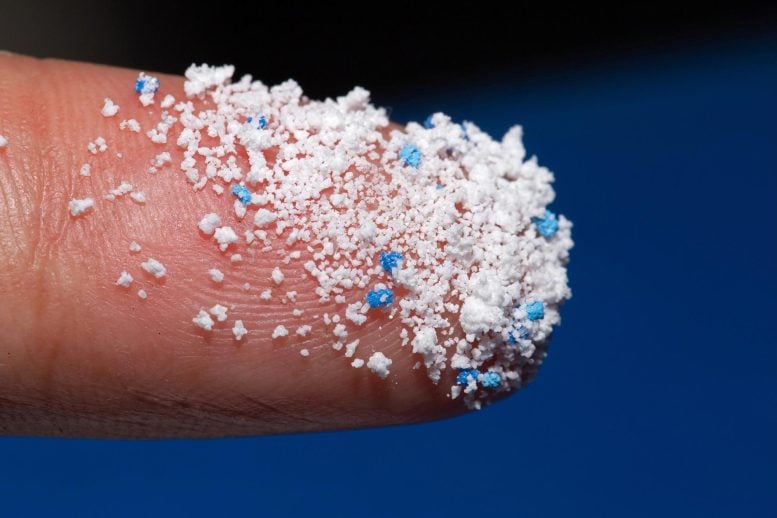
Summary of “Safe” Plant-Based Plastics Linked to Organ Damage:
Starch-based biodegradable plastics, although considered eco-friendly, may pose health risks such as organ damage and metabolic issues. These concerns arise from the breakdown of plastic products into tiny particles during wear and tear, which can be inhaled or ingested. Researchers are investigating solutions to these potential health risks.
*****
- Recent research reveals that “safe” plant-based plastics, previously considered eco-friendly, may indeed pose health risks, including organ damage and metabolic issues.
- Microscopic particles from these starch-based biodegradable plastics can be harmful if inhaled or ingested, challenging their eco-friendly reputation.
- The lifecycle of plastic products includes a breakdown process that, unbeknownst to most, could negatively impact human health and environmental sustainability.
- Amidst global efforts to combat pollution through innovative materials, a reevaluation of biodegradable plastics’ health implications is essential.
Imagine walking through a forest, the intertwined branches of knowledge forming a canopy over your head, filtering the light of awareness down onto the path you tread. You’re surrounded by an enchanting blend of facts, stories, and compelling evidence urging you to understand a truth you never anticipated: that those planet-healing elements we vehemently promote might hold a shadowy side. Yep, welcome to the unexpected world of plant-based plastics.
In today’s eco-conscious society, the buzzword ‘biodegradable’ has the charm of a pied piper, leading us towards what we hope is a greener future. Starch-based biodegradable plastics, crafted chiefly from plant materials, are seemingly the paragons of this new era. But as our tale unfolds, even icons hold hidden depths. Let me guide you through this enthralling, albeit slightly unsettling, journey.
Setting the Plastic Scene
Plastics have woven themselves into the tapestry of human life, from the mundane to the magnificent. Think of your day: the toothbrush kickstarting your morning, those food containers cradling your lunch, to the lightweight laptop aiding your evening Netflix binge—all swathed in plastic. This once-revolutionary material has now turned into a problematic villain. But I hear you argue, "Aren’t biodegradable plastics your superhero antidote?"
Ah, the tale is never that simple.
Diving Deep into Our Starch-Based Saviors
Biodegradable polymers, particularly those conjured from plant starch, emerge as the romanticized version of ‘plastic.’ Derived predominantly from renewable sources such as corn, potato, or wheat starch, these marvels biodegrade faster than standard plastics, presumably aligning with Mother Nature’s gentle rhythms.
Yet, akin to every great story with a twist, new studies have crashed onto the stage, pulling a few skeletons from the proverbial plant-based closet. Intrigued? Let’s dissect their startling findings.
Unveiling the Hidden Dangers
Imagine golden cornstalks swaying merrily in the breeze, promising lush, biodegradable possibilities. Meanwhile, microscopic particles are quietly entering your life, perhaps every time you breathe or sip a comforting hot beverage. Over time, these invisible invaders—tiny remnants from your ‘eco-friendly’ cutlery—may nestle into your system uninvited, unsettling your organs and masquerading as heralds of ill health.
Studies have illuminated a connection between these ostensibly benign particles and potential organ damage. That coffee cup made from potato starch? It might be dissolving into your very being, maybe in minuscule doses today, while bearing the capacity to disrupt metabolic processes tomorrow. Suddenly, the fairytale seems to blur into more of a cautionary tale.
Rethinking Eco-Friendliness
So, as conscientious dwellers of this blue planet, this begs the formidable question: Is our eco-friendly voyage heading in the right direction? The very materials we believed would mitigate the Earth’s ailments—its sprawling plastic pandemics—might simultaneously pose another set of unforeseen challenges.
Engaging with these realities propels us into the heart of a crucial quest: preventing exaggerated harm from becoming an overlooked side effect in our attempts to heal. But fear not, for every challenge is simply a springboard, launching us toward innovative and dynamic solutions!
Navigating the Nooks of Safety
Do we pause? Do we pivot? In the face of complexity, humans are marvelously inventive. At the conjunction where concerns meet conundrums, new avenues once concealed have a peculiar way of arising.
Prioritizing comprehensive research and open dialogue across global platforms becomes imperative. Scientists and innovators must continue peering into the molecular soul of our current solutions to envision evolution. Transparency and scrutiny: the double-edged sword capable of slicing through misinformation and maintaining our trajectory towards a genuinely sustainable future.
Together, we’re to become the champions of adaptation. How remarkable it is that in variability lies endless potential!
The Role of Conscious Consumerism
Empowerment, after all, resides firmly in knowledge. As this tantalizing narrative of ‘safe’ plastics unfolds, what can you, a mindful individual, contribute? Gather your thoughts amidst the buzzing economy of choice.
Firstly, champion inquisitiveness like never before. Devote time to understanding the materials composing the products you love. Seek out brands vehemently advocating transparency, those going the extra mile to ensure genuinely sustainable practices.
Next, embolden your community and fortify your circles with this narrative. Together, exercise the influence inherent in demand, the profound ‘power of the purse.’ Propel enterprises to redefine their standards and tread carefully yet creatively.
Finally, acknowledge your pivotal role as a curator of Earth’s future. Although significant shifts often derive from corporate realms and regulatory frameworks, communal responsibility weaves through the societal canvas—strengthening it through engaged dialogue and decisive action.
Envisioning Forward: The Future of Biodegradable Innovation
As evening shadows dance around, casting intriguing silhouettes of challenge and possibility alike, hope remains the constant companion at your side. Gather your sparks of hope and ignite a bonfire of progress.
Imagine revolutionary strides in material science, perhaps with biodegradable plastics undergoing biocompatibility enhancement akin to fine-tuning a grand orchestra. Innovators might unlock mechanisms designed to prevent molecular fragmentation hazardous to our well-being.
Or perhaps, cultivators develop alternative methods, using plant-based fibers innovatively to complement resistant but safe composite materials. The dance of integration and synthesis sends systems into harmony, steering us toward unobtrusive yet effective eco-friendly solutions.
Concluding with Purpose
Indeed, the initial shock of confronting invisible risks—those quietly unweaving traditional eco-narratives—might feel daunting. Take heart in the collective resolve driven by knowledge, ambition, and adaptability.
Your journey through the forest illuminated further panoramas—each an invitation to reassess the intricate fabric of choices and responsibilities we share. Arm in arm with innovation, community, and responsible stewardship, forge ahead toward a sustainable intersection where environmental restoration and human health can coexist harmoniously.
Carry your engagement and resilience like a radiant beacon. The world watches—orbits tilting closer towards a harmony not yet achieved but within reach. Keep spinning the story, for it is only through encouraging curiosity and embracing change that stories gain transformative power.
And remember, dear reader, sometimes routes to enlightenment are a bit convoluted, but therein lies the unfolding beauty of discovery, challenge, and triumph intertwined. 🌀