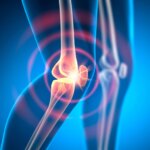
Summary of Millions of People Have Osteopenia Without Realizing It – Here’s What You Need To Know:
Summary:
Osteopenia is a condition characterized by reduced bone density without noticeable symptoms, primarily affecting adults, especially postmenopausal women. Around 40% of adults globally have osteopenia, which often goes undetected until a fracture occurs. The condition is exacerbated by aging, hormonal changes (particularly decreased estrogen after menopause), lifestyle factors (like smoking and inactivity), and certain medical conditions or medications.
Early detection through bone density testing, such as DXA scans, is crucial for preventing progression to osteoporosis, a more severe state of bone loss with significantly higher fracture risks. Management focuses on lifestyle changes (diet and exercise) and may include medications for high-risk patients.
Maintaining healthy habits over time is essential for protecting bone strength, as bone health reflects cumulative lifestyle influences. While progression from osteopenia to osteoporosis is not inevitable, proactive measures can significantly slow bone loss and improve outcomes.
*****
Summary Bullet Points
- Osteopenia affects around 40% of adults, often going unnoticed until a fracture occurs or a bone density scan is performed.
- Bone health declines naturally with age, especially post-menopause due to hormonal changes, and can be influenced by lifestyle factors such as diet and physical activity.
- Early detection through bone density testing is crucial, allowing for timely lifestyle adjustments and interventions to prevent progression to osteoporosis.
- Nutritional support and exercise are key components in managing osteopenia and improving bone strength.
- Treatment options range from lifestyle changes to medications, depending on individual fracture risk and health history.
Millions of People Have Osteopenia Without Realizing It – Here’s What You Need to Know
In the vast tapestry of health concerns, osteopenia is a thread that often goes unnoticed. Imagine walking through life, unaware that your bones, the very structure that supports you, are quietly in decline. Surprisingly, about 40% of adults globally find themselves in this predicament, navigating their daily lives without a care in the world—until they hit a wall, literally or figuratively. This article dives deep into the intricate world of osteopenia, uncovering its complexities and what you can do to take charge of your bone health.
Understanding Osteopenia
Osteopenia, at its core, is a condition characterized by lower-than-average bone mineral density. It’s akin to a gentle whisper warning you about potential vulnerabilities in your bones. While it might sound innocuous, the reality is that its progression could lead you toward osteoporosis, a condition with much more severe consequences.
You might be wondering, how does one end up with such a sneaky ailment? Typically, it develops without notable symptoms, insidiously robbing you of that essential bone strength until a fracture occurs or, more commonly, during a routine bone density scan prompted by your healthcare professional. Often, people find out they have osteopenia only after an unfortunate trip or fall, underscoring the importance of awareness and proactive health measures.
The Science Behind Bone Health
To truly appreciate the significance of maintaining healthy bones, we need to dive into some biology. Bone tissue is not static; it’s living, breathing matter! The process known as bone remodeling continuously involves the breakdown of old bone (resorption) and formation of new bone (formation).
Picture this: in your younger years, particularly in your late 20s or early 30s, your body enjoys a harmonious balance between bone formation and resorption. You reach what’s called peak bone mass, the pinnacle of your bone strength. But as the years roll on, we all start to face the inevitable reality of aging. The scales tip, and bone resorption begins to outpace formation.
This is compounded by hormonal changes, especially in women during and after menopause. The drop in estrogen levels can significantly accelerate bone loss, causing, in some cases, up to half of postmenopausal women to experience fragility fractures.
Lifestyle Choices Matter
Your daily choices—the nutrition you consume, the physical activity you engage in, and even vices like smoking and excessive drinking—play pivotal roles in determining your bone health.
Let’s make this relatable: think of your bones as a house. If the foundation is strong, the house stands tall. But if you begin neglecting repairs or make poor construction choices, the structure weakens. Just as a well-balanced diet filled with calcium and vitamin D fortifies your bones, an inactive lifestyle or poor nutrition can set you up for damage.
Calcium-rich foods, such as dairy products, green leafy vegetables, and fortified foods, serve as essential building blocks. Vitamin D is equally crucial—without it, your body struggles to absorb calcium efficiently. Too many of us lack the recommended levels of vitamin D, making supplementation an often necessary strategy.
Early Detection is Key
The golden rule of health: detecting issues early can save you a world of pain later. When it comes to osteopenia, this aphorism rings particularly true. Waiting for symptoms to manifest might be too late.
Routine bone density testing via a dual-energy X-ray absorptiometry (DXA) scan is essential, particularly for older adults or those at risk. The scan measures bone strength and gives you a T-score based on your bone density compared to that of a healthy young adult. Here’s the quick breakdown: a T-score between –1.0 and –2.5 indicates osteopenia, while below –2.5 qualifies as osteoporosis.
Knowledge is power; understanding where you stand gives you the opportunity to affect positive change.
The Role of Physical Activity
Let’s talk about movement. Regular weight-bearing exercises—from walking to dancing to jogging—stimulate bone formation. Each step you take, literally, puts stress on your bones, which encourages them to grow stronger. Exercise isn’t just about weight loss or improving cardiovascular health; it’s a multi-faceted tool that bolsters your overall well-being, particularly your bones.
Resistance training also plays a vital role, working those muscles and bones in tandem. Add activities like Tai Chi to your regimen, and you not only strengthen your bones but also enhance balance, driving down your risk of falls that can lead to fractures.
Nutrition: Building Blocks for Strong Bones
So, what’s on your plate? Sufficient calcium is critical, but let’s amplify that message with variety. Think about incorporating nuts, seeds, and fish high in omega-3 fatty acids into your diet. Foods like sardines or salmon provide essential nutrients beneficial for bone health.
Are you worried about getting enough vitamin D? Get creative with your diet—fortified foods like milks and cereals can be game changers. And if you’re still falling short, talk with your healthcare provider about exploring supplementation. Knowledge about what fuels your body is the first step toward taking control of your health.
Treatment Options Available
Not everyone with osteopenia requires medication; sometimes, lifestyle changes alone furnish the necessary support for bone health. After a thorough assessment, including calculating your fracture risk using available tools, your healthcare provider may recommend intervention. They might consider medication if you’re high-risk or have already experienced a fragility fracture.
-
Antiresorptive drugs come into play by slowing down bone breakdown and helping to maintain density. These are primarily used for osteoporosis, but they could be beneficial for certain osteopenic patients, too.
- Lifestyle is the cornerstone—modify habits, increase physical activity, and enhance diet to pave the way for optimal bone health.
But let’s not forget: osteopenia is not a mere precursor to osteoporosis. It’s a wake-up call, a pivotal moment you can seize to make a change. Recognizing it should ignite an awareness that inspires action.
The Long View: A Lifelong Journey
As you embark on your path toward bone health, remember that it’s not just a sprint; it’s a marathon. Your bones reflect the cumulative effects of your life decisions. The habits you form today will echo through the years, impacting not just your bone health but your overall quality of life.
Incorporating consistent physical activity, prioritizing nutrition, and staying informed are paramount. The good news? With proactive steps, you can maintain—even improve—your bone density and quality of life as you age.
Whether osteopenia is currently a part of your life, a distant worry, or a topic you had yet to consider, remember this: the choices you make today matter. Engage in activities that boost your well-being, and seize the reins of your health. The journey of a thousand miles begins with a single step—and every step you take is another step toward stronger, healthier bones.
In conclusion, understanding osteopenia is about more than medical terminology; it’s about empowering yourself with knowledge. You’re not just fighting against bone loss; you’re paving your way toward a vibrant and active life, filled with chances to thrive and savor each moment. So, take that leap. Your bones will thank you!