- The role of osteocalcin in bone health and metabolism after 50
- Nutritional strategies for supporting bone density
- The impact of physical activity on bone strength
- Understanding metabolic changes and insulin sensitivity
- Practical tips for enhancing bone health
Osteocalcin is a crucial protein involved in bone metabolism, primarily produced by osteoblasts, the cells responsible for bone formation. Research shows that osteocalcin plays a significant role in regulating various biological processes in adults, especially after 50. In this age group, maintaining healthy bones becomes increasingly important as the risk of osteoporosis and other metabolic diseases escalates. Osteocalcin not only contributes to bone health but also may influence insulin sensitivity and energy metabolism, making it a key element to consider.
Osteocalcin aids in bone mineralization and contributes to bone strength. After age 50, individuals often experience changes in hormonal levels, including a decline in estrogen and testosterone. These hormonal shifts can negatively affect bone density, making individuals more susceptible to fractures. The production of osteocalcin can help mitigate these effects, promoting healthier bones and improving overall metabolic function.
Diet plays an essential role in strengthening bones. Consuming adequate amounts of calcium and vitamin D is vital as both nutrients are foundational for bone integrity. Adequate levels of calcium help in the formation and maintenance of bone mass, while vitamin D enhances calcium absorption in the gut. However, not all dietary approaches are equally effective. It is crucial to focus on sources of nutrition that are not only rich in these vitamins but also facilitate osteocalcin production. Foods such as leafy greens, dairy products, and fatty fish can potentiate these benefits while providing a full spectrum of other nutrients essential for health.
Physical activity is equally significant for maintaining bone density. Weight-bearing exercises, like walking or resistance training, stimulate bone formation and increase osteocalcin levels. Studies indicate that individuals who engage in regular physical activity after 50 tend to have greater bone density and a lower risk of osteoporosis. The mechanical forces generated during exercise prompt the body to produce new bone tissue, fostering a healthier skeletal system.
Understanding the metabolic changes that occur as people age is also vital for bone health. Insulin sensitivity tends to decline with age, contributing to conditions such as type 2 diabetes. Low insulin sensitivity can lead to increased fat mass, which negatively impacts bone health. Osteocalcin has shown the potential to improve insulin sensitivity, indicating that the protein works not only for bone health but also contributes to better metabolic outcomes. This interconnectedness illustrates why focusing on osteocalcin and its functions is critical for overall well-being.
In practical terms, enhancing bone health after 50 involves a multifaceted approach incorporating diet, exercise, and awareness of metabolic changes. To support osteocalcin production, individuals should focus on a diverse diet rich in nutrients. Foods high in magnesium, phosphorus, and vitamin K can also promote better bone health and further support the role of osteocalcin.
Magnesium plays a vital role in converting vitamin D into its active form, which, in turn, aids calcium absorption. Dietary sources of magnesium include nuts, seeds, whole grains, and legumes. Foods rich in phosphorus, such as dairy products, meat, and fish, also contribute to bone formation, while vitamin K found in green leafy vegetables supports the synthesis of osteocalcin.
Investigating the varied types of exercise can uncover strategies for improved bone health. Resistance training not only helps in building muscle mass but also enhances bone density. Engaging in exercises like squats, lunges, and push-ups can create the necessary mechanical stress on bones, triggering growth in bone density and strength. Additionally, incorporating balance exercises can help prevent falls, significantly reducing the risk of fractures.
Regular physical activity aids not only in bone health but also in maintaining a healthy weight, which can further improve insulin sensitivity. It is beneficial to combine aerobic activities like walking or cycling with strength training routines. Engaging in different forms of exercise keeps the body challenged and promotes overall physical fitness. For those seeking ideas, joining community fitness classes or participating in local sports can also provide motivation and social support.
Regular bone density screenings and consultations with healthcare professionals can provide insight into individual bone health. Having a baseline measurement can help determine the efficacy of dietary changes or exercise routines over time. Additionally, these professionals can offer tailored recommendations based on individual health conditions and dietary needs, guiding effective strategies for long-term bone health.
Supplements can be beneficial for some in conjunction with a balanced diet, especially for individuals who struggle to meet nutrient intake via food alone. However, it is paramount to consult healthcare providers before beginning any supplement regimen. Calcium and vitamin D supplements can be particularly useful for those at risk of deficiency. The use of vitamin K supplements is also gaining attention, given its emerging role in bone metabolism.
Sustaining a healthy lifestyle goes beyond physical activities and diet. Consideration of stress management and overall well-being must also be part of any holistic approach. Chronic stress can impact hormonal balance, which has downstream effects on bone density. Practices such as yoga, meditation, or mindfulness can be advantageous for both mental health and physical resilience, fostering a supportive environment for bone health.
While the quest for stronger bones after 50 may seem complex, it is essentially about fostering an environment in which osteocalcin can thrive. Understanding its pivotal function offers insights into nutrition, exercise, and lifestyle adjustments conducive to better health outcomes. Implementation of these strategies can empower individuals to take control of their bone health, significantly impacting their quality of life as they age.
Engaging regularly in social activities that promote movement can further contribute to physical well-being. Building connections with others who share similar health goals offers motivation and encourages accountability. Community centers and online platforms can serve as two potential avenues for finding like-minded peers eager to support one another in their journey.
In summary, the relationship between osteocalcin, nutrition, exercise, and metabolic health is vital in sustaining healthy bones after 50. It is pivotal to create a lifestyle conducive to enhancing osteocalcin levels through nutritional choices and physical activity. Rather than focusing solely on one element, an integrated approach that encompasses various aspects of health will yield the best results. Taking proactive steps today can lead to stronger bones and improved overall health in the years ahead.
*****
Source Description
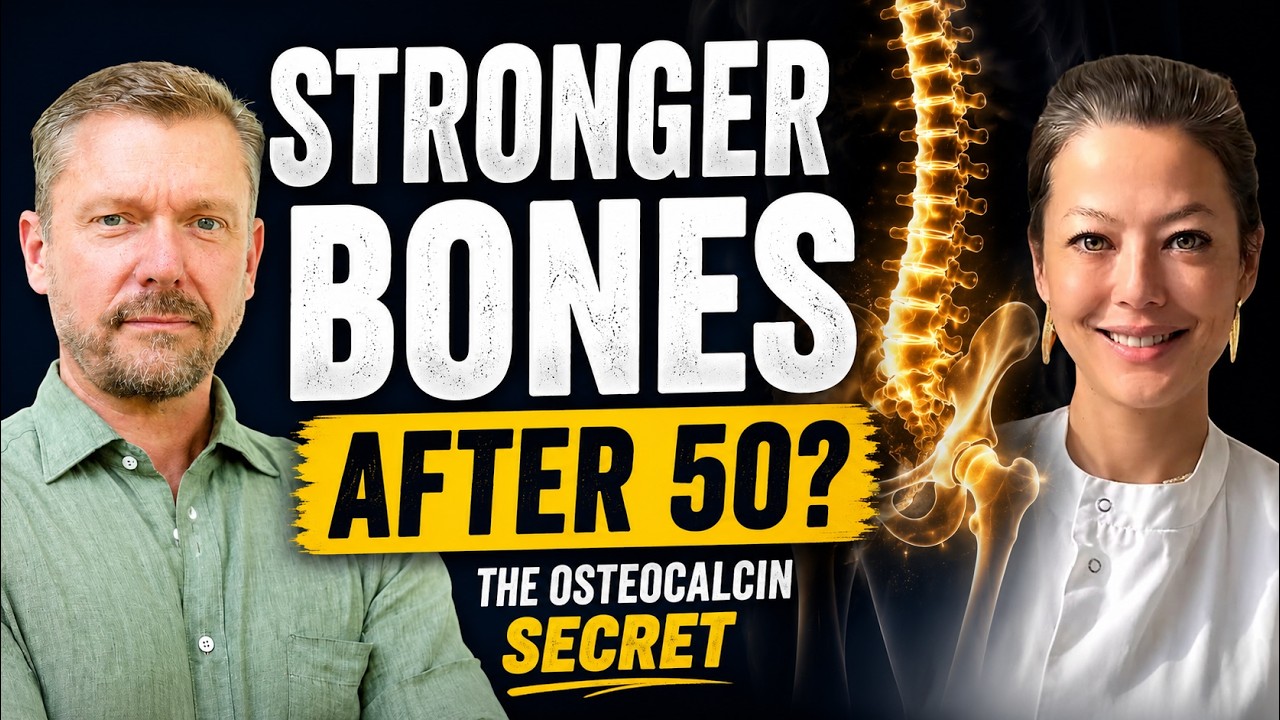
If you’re a woman over 50 worried about bone loss, fragile bones, osteoporosis, or breaking a hip despite “normal” DEXA scans, this interview could change everything.
In this powerful conversation, Dr. Ken Berry sits down with PhD researcher Isabella Cooper (@I_mitochondria) to expose why high insulin quietly destroys bone strength and what you can do about it. Discover the hidden role of osteocalcin, the bone hormone most doctors overlook, and how low insulin, Proper Human Diet, and ketosis can support stronger bones naturally.
🔑 What You’ll Learn:
• Why “normal” bone density scans fail to predict real fracture risk (femoral neck fractures explained)
• How hyperinsulinemia harms osteoblasts, osteocytes, and osteocalcin production
• The surprising endocrine power of your bones: effects on muscle glucose uptake, serotonin, dopamine, mood, and metabolism
• Practical ways to boost osteocalcin through real food (bone broth, cheese & more)
• Maternal bone health legacy, how osteocalcin impacts the next generation
• Is stronger bones after 50 actually possible? Ketosis, carnivore, and reversal strategies
Dr. Isabella Cooper’s groundbreaking work on hyperinsulinemia-osteofragilitas and KetoSAge research reveals what conventional medicine misses. If you’re tired of scary bone health warnings and want real, actionable hope — watch until the end.
👉 Previous Interview (40k+ views): High Insulin = Fragile Bones
Subscribe for more Proper Human Diet truth: https://www.youtube.com/@KenDBerryMD
Turn on notifications 🛎️
Resources & Links:
• Dr. Isabella Cooper on X: @I_mitochondria
• “Lies My Doctor Told Me” by Dr. Ken Berry
• Support the channel & access exclusive content