- The media’s role in shaping public perception of issues like immigration and global conflicts.
- An overview of Newsom’s policies and their implications on immigration enforcement.
- The story of a 5-year-old and how it exemplifies larger societal issues.
- The planned developments in Gaza and their potential impact on regional stability.
- The intersection of political activism, public health, and community well-being.
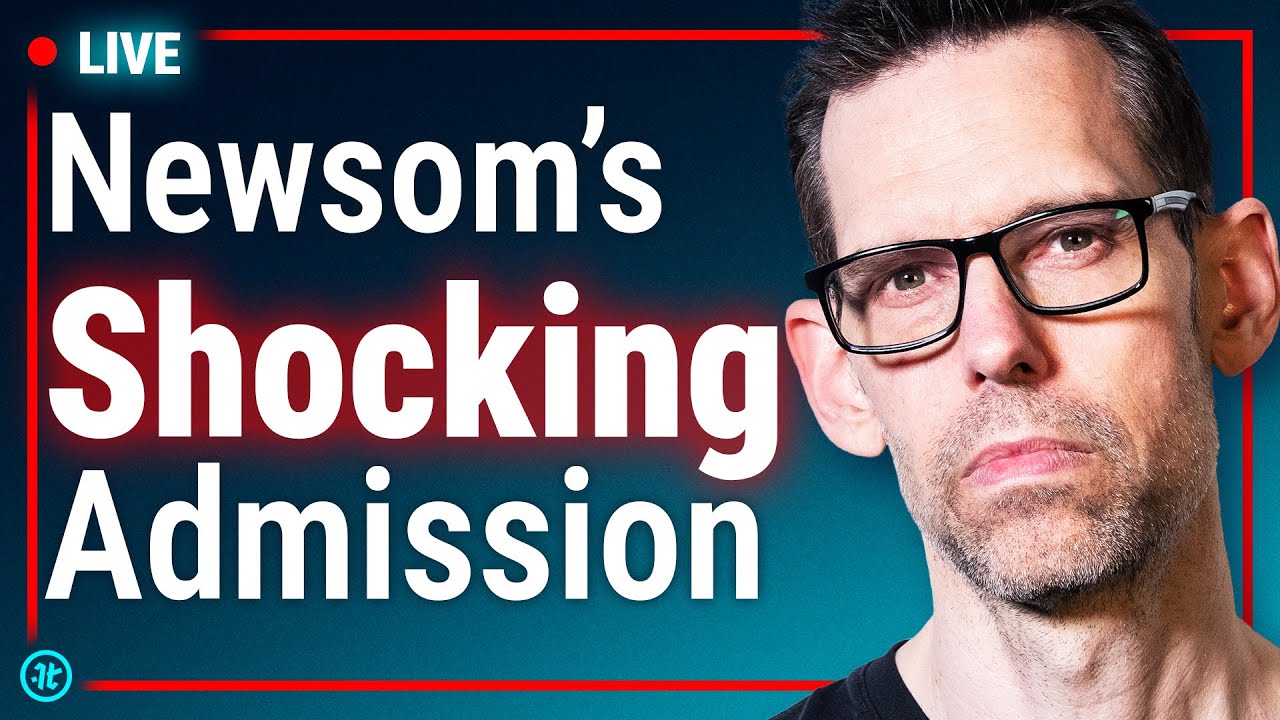
The media holds significant influence over public perception, especially concerning sensitive issues like immigration and international conflicts. Recently, the commentary surrounding Newsom’s Kneepads has sparked a range of conversations about how policies and narratives shape attitudes. The portrayal of immigration and the enforcement of laws related to ICE (Immigration and Customs Enforcement) have taken center stage. The media often simplifies complex issues, potentially misguiding public opinion. By analyzing nuanced topics like these, audiences can better understand the ramifications of political decisions.
In California, Governor Gavin Newsom has taken a distinctive path regarding immigration policies. His critics frequently argue that his approach to ICE operations interferes with law enforcement. However, supporters believe that his policies reflect a humane approach to immigration, treating individuals with dignity rather than as case numbers. Newsom’s Kneepads signifies his stance against aggressive immigration enforcement measures, illustrating his commitment to protecting vulnerable populations and advocating for immigration reform. The intricate relationship between state governance and federal law enforcement remains a subject of heated debate, especially in states with high immigrant populations.
A poignant anecdote that encapsulates these complexities involves a 5-year-old child caught in the crossfire of immigration enforcement. When discussing such cases, it is crucial to consider how media portrayal can shape public empathy or lack thereof. This child’s experience highlights not only the burdens faced by families but also raises questions about societal values. The concern for a young child impacted by policy decisions amplifies emotional resonance, challenging audiences to consider the individual stories behind broad immigration statistics. The implications extend beyond mere narratives, influencing community policies and shaping future legislative directions. When individual stories are shared, they serve as a reminder that behind every statistic is a human experience deserving of consideration.
The situation in Gaza is also deeply intertwined with discussions about humanitarian needs and political strategies. Planned developments in the region aim at addressing immediate necessities and fostering long-term stability. However, the complexities of governance, security, and civil rights continue to complicate progress. Past interventions have often prioritized political interests over grassroots needs, creating a landscape rife with mistrust. New plans must consider community health, economic prosperity, and social cohesion to be effective. The necessity for dialogue and localized solutions cannot be overstated, as success hinges on cooperation between various stakeholders.
Immigration policies, humanitarian issues, and local needs intersect significantly. There is a pressing need for voices advocating for community well-being, highlighting the essential role these perspectives play within public dialogues. Advocacy offers a pathway for creating change in public health, with the potential for improving societal resilience. When officials push for policies prioritizing public health alongside law enforcement, they set a precedent that benefits everyone in the community. This approach can foster a more humane immigration system that also addresses health concerns often exacerbated by fear of deportation.
Gavin Newsom’s administration represents a pivotal moment in discussing these intertwined issues. While his policies concerning ICE and immigration are contentious, they also signify a shifting paradigm. His governance challenges conventional narratives surrounding law enforcement in immigrant communities, striving for a balance that upholds justice while prioritizing human dignity. Such discussions encourage greater awareness and understanding of the lasting effects that policy decisions have on individuals and communities alike.
It is essential to emphasize that actions taken at the political level can have wide-ranging consequences. Stories of children caught up in immigration raids, like the aforementioned 5-year-old, exemplify the long-term impact of short-sighted policies. Advocates argue for reform that embraces compassion and respect, underscoring the importance of prioritizing human rights alongside national security. These themes challenge policymakers to think critically about how laws affect marginalized groups.
As global events unfold, the response of leaders—like that of Newsom—will serve as crucial indicators of how societies choose to balance security and compassion. The dynamics in Gaza reflect a similar struggle for peace, often hinging on the ability of leaders to prioritize needs over political agendas. The urgency for comprehensive solutions in conflict areas is mirrored in the quest for a fair immigration system. Both scenarios require thoughtful dialogue and collaborative efforts to address the complexities of human experience.
The intersection of political activism and public health is undoubtedly significant. Community advocates often stand at the forefront, pushing for reforms that lead to healthier environments. When political figures respond positively to these calls, they can initiate changes with lasting benefits. This interaction not only addresses immediate concerns but also rebuilds trust, vital for promoting engagement and cooperation among diverse groups.
The challenge remains for communities to foster open dialogues that prioritize understanding differing perspectives. These conversations will pave the way for informed policy changes that consider the emotional, social, and economic needs of all residents, particularly those in vulnerable positions. A multi-faceted approach is necessary for tackling issues ranging from immigration to humanitarian crises, requiring a collective understanding and commitment to advocacy.
In summary, recent developments concerning Newsom’s remarks about ICE and the portrayal of a 5-year-old child caught in a complex immigration debate illustrate deeper societal implications. As political leaders navigate contentious issues, they must balance the need for security with the imperative to ensure humane treatment of individuals. In contexts like Gaza, similar complexities exist, emphasizing the importance of compassionate leadership combined with effective solutions. Community involvement and advocacy are fundamental in bringing about necessary reforms, ultimately promoting well-being for all. Only through focused collaboration can societies work toward a healthier, more just future.
*****
Source Description
Welcome to the Tom Bilyeu Show Live. Only Superchats over a threshold of 19.99 will be read…
And as always:
Do you need my help?
STARTING a business: join me here inside ZERO TO FOUNDER (https://tombilyeu.com/zero-to-founder)
SCALING a business: click here to see if you qualify (https://tombilyeu.com/scale)
Get the exact systems, mindset shifts, and principles that built a $1B brand delivered straight to your inbox every week. Subscribe for free (https://tombilyeu.com)
Check out our Video game – Project Kyzen: (https://projectkyzen.io/)
Catch Me Streaming on Twitch – (https://twitch.tv/tombilyeu)
Link to IT discord: https://discord.gg/TZKJ2etPbT
Tom’s Favorite Things List: https://amzn.to/41Ftt7e
Learn more about Zero to Founder: https://hubs.la/Q03B2DqN0
Join the Kyzen Discord: https://discord.gg/8B3yyv7KHN