Summary of Nearly Invisible Fish-Killing Pathogens Found in Brazil for the First Time:
Researchers have identified pathogens causing columnaris disease—previously found only in Asia and the U.S.—in Brazil, impacting fish such as Nile tilapia and native species like tambaqui and Amazon spotted catfish. The disease, caused by the Flavobacterium genus, leads to significant fish mortality by damaging skin and gills.
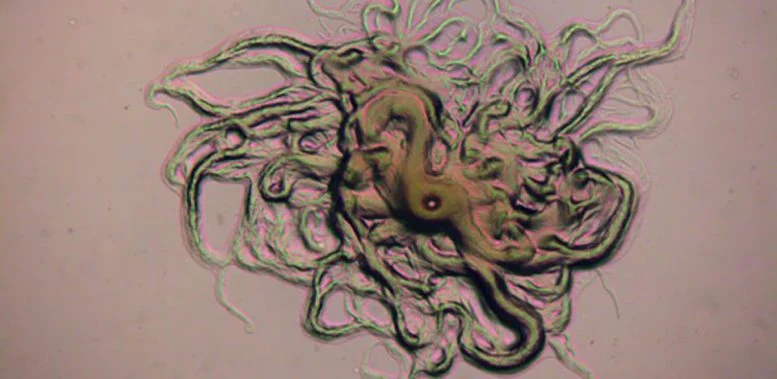
Identifying these nearly transparent bacteria requires careful microscopy. The study revealed a broader host range for Flavobacterium species and linked their optimal growth to Brazil’s warm water temperatures, promoting biofilm production that helps bacteria persist.
Proposed control methods include adding salt to water and developing autogenous vaccines specifically tailored to local strains. Bath vaccines could offer an efficient way to protect young fish during critical developmental stages. The research underscores the need for enhanced disease surveillance in Brazilian aquaculture.
*****
Summary Bullet Points
- Discovery of Pathogens: Nearly invisible fish-killing pathogens, specifically Flavobacterium species, have been found for the first time in Brazil, raising concerns for local aquaculture.
- Widespread Impact: These bacteria primarily affect popular fish species, including Nile tilapia, tambaqui, and pacu, posing a potential threat to Brazil’s aquaculture industry.
- Environmental Conditions: Warm water temperatures in Brazil favor the growth of these pathogens, underscoring the need for effective management and prevention strategies.
- Potential Solutions: Researchers are exploring salt treatments and vaccine development to combat these pathogens and protect young fish, who are particularly vulnerable.
- Broader Implications: The findings highlight the importance of understanding existing pathogens in aquaculture and the potential need for enhanced surveillance and preventive measures.
Discovering the Nearly Invisible Threat: A Dive into Brazil’s Aquatic Research
The beauty of Brazil’s waterways—its rivers teeming with lush biodiversity, from vibrant aquatic plants to diverse fish species—is paralleled only by the hidden challenges they face beneath the surface. In a groundbreaking study, researchers have identified unique and nearly imperceptible pathogens known to wreak havoc on fish populations. This discovery not only carries weight for Brazil’s aquaculture industry but also sheds light on the intricate and often overlooked balance within aquatic ecosystems.
A Closer Look at Flavobacterium
Imagine peering through a microscope, searching for something that appears almost transparent against the backdrop of its culture medium. That’s the reality researchers encountered with Flavobacterium species, the culprits behind columnaris disease. Previously, these pathogens were predominantly identified in fish farms across Asia and the United States—yet their emergence in Brazil is raising both eyebrows and alarm bells.
Flavobacterium bacteria are notorious for causing alarming lesions on the skin and gills of fish, leading to rapid mortality, especially in vulnerable young fish. The implication of their presence in Brazilian waters hints at a broader epidemiological concern requiring immediate attention and action.
An Expanding Host Range
During the research, scientists were able to isolate eleven bacterial strains, six of which belonged to the species Flavobacterium oreochromis. Previously, this pathogen had only been associated with Nile tilapia, but the study was the first to confirm its presence in native Brazilian species like tambaqui and pacu. This revelation broadens the scope of potential host species, underlining how interconnected the health of native and farmed fish truly is.
Indeed, the discovery marked the first case of Flavobacterium davisii affecting an Amazon spotted catfish—a previously unknown host, demonstrating how pathogens adapt and spill over into different fish families.
The Warm Waters of Brazil: A Perfect Breeding Ground
As if the discovery wasn’t alarming enough, research indicates that the optimal growth conditions for these pathogens are found in the warm waters typical across Brazil. With a cozy environment around 28 °C, these bacteria thrive, and as temperatures inch higher, so does their persistence. The idea of rising water temperatures due to climate change adding fuel to this pathogenic fire is a concern echoed across scientific realms.
An intriguing aspect of these pathogens is their ability to form biofilms—protective layers that allow them to adhere to surfaces and remain dormant during unfavorable conditions. Much like a clever survival strategy, this quality allows them to resist eradication efforts, lurking on nets and equipment until they encounter ideal conditions to proliferate again. This revelation emphasizes the crucial need for stringent hygiene protocols in fish production; without them, the risk of an outbreak looms large.
Accessible Remedies: Salt and Vaccines
So, what can be done? Luckily, prior studies suggest that these pathogenic bacteria are sensitive to salinity. Adding salt to aquaculture environments could serve as an effective preventive measure. However, finding the safe and effective salt concentration for each fish species requires careful research and experimentation.
Researchers are not stopping there. They’re also exploring the exciting potential of developing vaccines tailored to specific strains found in the unique ecosystem of Brazilian aquaculture. A bath vaccine—one that immerses large groups of fish in water containing a weakened form of the bacteria—could be a game-changer. By targeting the vulnerable young fish, these solutions could significantly minimize losses and bolster the health of fish populations.
The Broader Implications
This discovery highlights profound implications for the future of aquaculture management in Brazil and beyond. As we peer into the depths of this crisis, we see not merely a threat to fish but also a call to action—a reminder that knowledge and proactive measures are paramount in safeguarding our ecosystems.
As the aquaculture industry continues to expand to meet rising global food demands, understanding the pathogens that threaten its success becomes critical. This study serves as a poignant reminder that our success as stewards of the environment hinges on our ability to adapt, learn, and innovate.
Motivation in Science
Science, much like life, requires an unyielding spirit of inquiry. Researchers like Daniel de Abreu Reis Ferreira are not just identifying bacteria; they are unfurling a narrative that connects diverse ecosystems, human livelihoods, and the intricate dance of virulence and resilience.
While the challenge posed by these pathogens is significant, it is juxtaposed against human creativity and adaptability. The journey to understand and combat threats like Flavobacterium mirror life’s challenges—sometimes precarious, often demanding, but ultimately offering avenues for growth and improvement.
We must remain steadfast, motivated by a desire for knowledge, healing, and balance. As we navigate through this intricate tapestry of life, each thread of research adds depth to our understanding and fortitude in facing challenges.
In Conclusion
As researchers dive into the depths of Brazil’s aquatic ecosystems, they illuminate the shadows where these nearly invisible pathogens lurk. Their findings carry vital significance—not just for Brazil, but for aquaculture globally, inciting discussions about sustainability and collaboration in the face of adversity.
Let this discovery be a source of motivation and inspiration. As we bring science and human ambition together, we stand on the precipice of turning challenges into opportunities—much like our resilient aquatic friends, we too can thrive against the odds, seek solutions, and foster a future filled with understanding, sustainability, and health.
In this interconnected world, let us carry the torch of inquiry and resilience—lessons learned from nature echo chambers of self-discovery, growth, and the power of community. As we move forward, we must remember: while we learn and adapt, the essence of our journey rests on how we choose to respond.