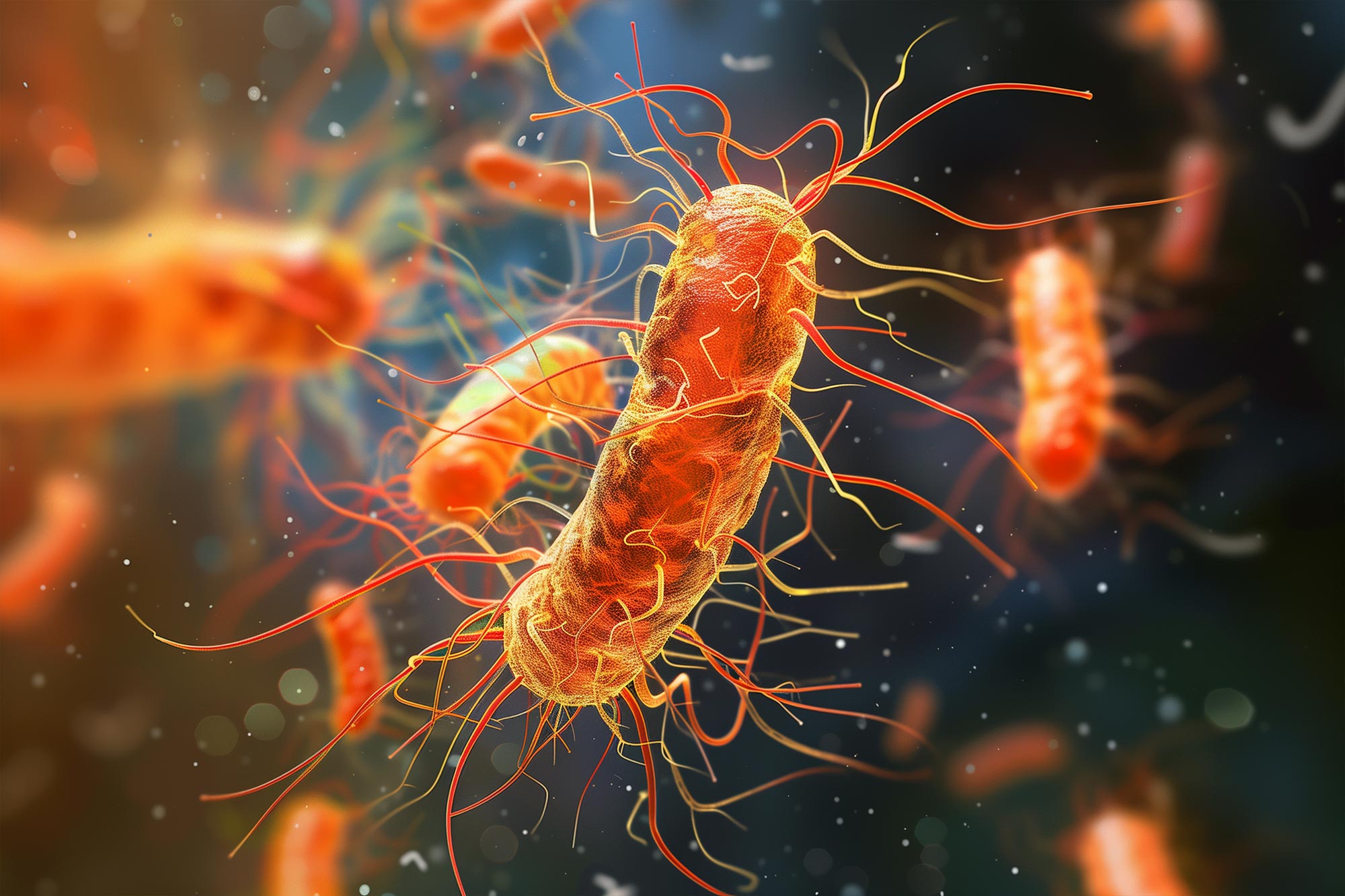
Summary of New “Super Antibiotic” Kills Deadly Gut Infection Without Destroying the Microbiome:
Researchers at the Institute of Biology Leiden have developed a new antibiotic named EVG7, effective against the gut bacterium C. difficile at very low doses. This treatment not only combats the infection but also reduces the likelihood of recurrence, a common issue with existing antibiotics. EVG7, a modified version of vancomycin, was tested in mice, showing that lower doses preserved beneficial gut bacteria, which help prevent relapse by inhibiting the growth of harmful spores. Additionally, EVG7 appears less likely to lead to antibiotic resistance. Researchers are hopeful for future human trials, though funding for antibiotics can be challenging due to lower profit margins compared to other drug categories. The study was published in Nature Communications.
*****
Quick Summary
- Breakthrough Development: A new antibiotic, EVG7, developed in Leiden effectively combats C. difficile infections without disrupting the gut microbiome.
- Low-Dose Efficacy: EVG7 is notably effective in smaller doses, offering a solution to recurrent infections that plague current antibiotic treatments.
- Microbiome Preservation: Unlike traditional antibiotics, EVG7 spares beneficial bacteria, which play a crucial role in long-term gut health.
- Lower Resistance Risk: The unique action of EVG7 minimizes the risk of antibiotic resistance, a persistent challenge in modern medicine.
- Future Prospects: Researchers hope to advance EVG7’s clinical development, though funding remains a significant hurdle.
The Promise of EVG7: A New Frontier in Antibiotic Treatment
In the ever-evolving world of medicine, discoveries can feel like the flickering light in a dark tunnel—gleaming, hopeful, and transformative. One of the most exciting recent advances comes from Leiden, Netherlands, where researchers have unveiled a revolutionary antibiotic known as EVG7. This newly developed drug not only stands to challenge the notorious gut bacterium Clostridioides difficile (often referred to as C. difficile) but does so while safeguarding the vital ecosystem of our gut microbiome.
A Persistent Menace
Let’s start by understanding the enemy. C. difficile is a subtilis bacteria that can wreak havoc, particularly among vulnerable populations such as the elderly and those with compromised immune systems. It releases toxins that lead to severe diarrhea and intestinal inflammation. The conventional approach often involves heavy doses of antibiotics that, while aimed at eradicating the infection, can inadvertently obliterate the beneficial bacteria that coexist in our guts. This eradication often leads to a vicious cycle where, despite treatment, the infection returns and the patient suffers repeated, debilitating episodes.
A Shift in Paradigm
Enter EVG7. At first glance, one might think that the introduction of yet another antibiotic could simply exacerbate the issue of antibiotic resistance. However, the magic of EVG7 lies in its ability to deliver efficacy at remarkably low doses. This innovative approach is a far cry from the typical high-dose regimens we’ve relied upon in the past.
In a series of compelling studies conducted on mice, researchers realized something extraordinary: administering low doses of EVG7 not only stifled the recurrence of C. difficile infections but also allowed beneficial bacteria—especially those from the Lachnospiraceae family—to thrive. This foundational research suggests a compelling shift in focus: rather than just battling pathogens with brute force, what if we could outsmart them by preserving the very allies our bodies rely on for health and balance?
Microbiomes: Our Unsung Heroes
It’s important to pause and reflect on the role of our gut microbiome. Often overlooked in traditional medical discussions, our gut is home to trillions of microorganisms that help digest food, synthesize vitamins, and protect us from disease. Disruption to this micro-ecosystem through the use of conventional antibiotics can lead to both short- and long-term health issues. By perceptively steering clear of damaging beneficial gut bacteria, EVG7 opens the door to a future where the cycle of infections can be halted.
Why Low Doses Work: The Science Behind EVG7
So, why does a lower dose of EVG7 yield better results? According to Elma Mons, the lead researcher on the project, it’s about balance. Tests revealed that while higher doses of EVG7 did not yield better outcomes, a well-calibrated lower dose maintained greater populations of helpful microbiota. The preserved Lachnospiraceae bacteria act as natural guardians against C. difficile, effectively preventing it from taking hold—even in its spore-forming state.
This raises an incredible point: could the future of medicine involve a nuanced understanding of dosage and the intelligent balancing of antibiotics to combat disease while promoting health? If EVG7 proves effective in human trials, it could pave the way for a new philosophy in treating infections.
The Challenge of Resistance
Antibiotic resistance is one of the most pressing public health concerns globally, a paradox where the tools meant to save lives can sometimes lead to greater health challenges. Typically, low doses can foster a culture of resistance, as pathogens have an opportunity to adapt and survive. However, in the case of EVG7, the researchers’ findings are reassuring. Even at reduced amounts, it proved robust enough to eliminate C. difficile, signaling that effective treatments can be achievable without escalating the risk of resistance.
The Road Ahead: Future Prospects for EVG7
As with any groundbreaking discovery, the pathway from the lab to the clinic is never straightforward. Elma Mons and her team remain hopeful about moving forward, but achieving this crucial goal is contingent on sufficient funding. As it stands, antibiotics tend not to attract the same financial backing as more profitable areas such as cancer therapeutics. This creates a challenging landscape for researchers eager to bring promising solutions to patients.
The significance of EVG7 might well extend beyond mere treatment. Should this antibiotic succeed in clinical trials, it could not only improve individual patient outcomes but also result in significant cost savings for healthcare systems grappling with the expensive consequences of recurrent infections and hospitalizations.
The Broader Implications: A Mindset Shift
The emergence of EVG7 highlights a broader lesson for our lives, especially in challenging times. Just as this antibiotic represents a smart, strategic approach to health, we can all benefit from thoughtful adjustments in various aspects of our lives. Whether it’s in our personal growth, relationships, or careers, understanding the balance between striving for success and maintaining our well-being is essential. It’s about knowing when to push forward and when to take a step back, preserving what matters most along the journey.
Motivation for Life
Consider the tenacity with which researchers approach dilemmas in health and treatment. Their quest for a solution is mirrored in our individual pursuits. Just as EVG7 aims to preserve the gut’s beneficial bacteria, we can strive to preserve our inner resources—resilience, hope, and self-awareness—while confronting our challenges.
Here are some key takeaways you might find inspiring:
-
Resilience Through Balance: Just as preserving beneficial microbes can prevent illness, maintaining balance in your life can improve your overall health. Find the equilibrium between work, relationships, and personal well-being.
-
Strategic Approaches in Life: Just as low doses of EVG7 produce better outcomes, sometimes less is more. In relationships, careers, and projects, focus on quality over quantity.
-
Embrace Change: The development of EVG7 showcases that groundbreaking solutions often come through reimagining what’s possible. Don’t shy away from thinking outside the box, whether it’s in your career or personal life.
-
Invest in Your Health: Be proactive about preserving your well-being. Just as researchers champion the microbiome, advocate for your own health by fostering supportive relationships and a nurturing environment.
- Contribute to a Greater Good: Consider how your actions can ripple through your community, much like advancements in medicine can lead to broader societal benefits. Engage in efforts that uplift those around you.
As EVG7 moves closer to human trials, it stands as a beacon of hope, illustrating the power of ingenuity in the face of adversity. The potential for smart, targeted treatment could redefine our approach to bacterial infections. Just as importantly, it serves as a reminder of the importance of balance, both in medicine and in the broader narratives of our lives.
In closing, the journey of discovery across disciplines—whether in science or personal growth—unfolds as an adventure filled with unexpected revelations. Embrace it; the next breakthrough could very well be around the corner.