Summary of New Research Shows How Bad Air Cuts Exercise Benefits in Half:
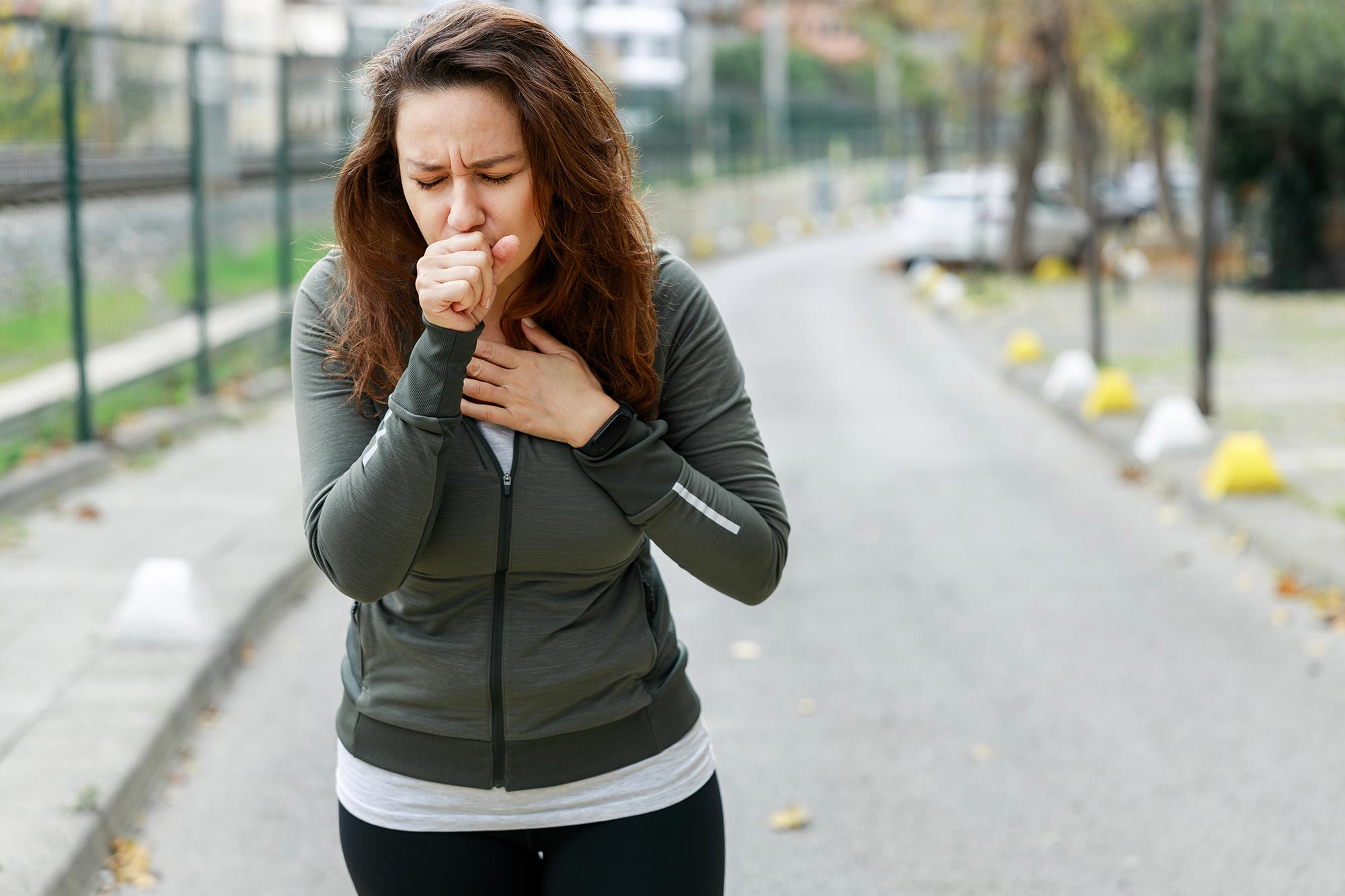
A recent international study has revealed that exposure to polluted air significantly reduces the health benefits of regular exercise. Researchers found that as PM₂.5 pollution levels rise, the positive impact of physical activity — such as reduced mortality risk — diminishes, sometimes by nearly half. This analysis included over 1.5 million adults from various countries, showing that those in high-pollution areas experienced lesser health gains from exercise. The study emphasizes the importance of both physical activity and clean air for healthy aging, suggesting that improvements in air quality could enhance the benefits of exercise. Participants in regions with average PM₂.5 concentrations exceeding certain thresholds saw their exercise benefits notably reduced. The findings encourage individuals to remain active while being mindful of air quality when exercising outdoors.
*****
Summary Bullet Points
- Impact of Air Pollution: A recent study reveals toxic air dramatically reduces the health benefits of exercise, cutting them by nearly half in polluted environments.
- Extent of Research: The study analyzed data from over 1.5 million adults across multiple countries, exploring the links between physical activity and mortality rates amid varying levels of particulate matter (PM2.5).
- Health Implications: Even though exercise remains beneficial, its protective effects against diseases such as cancer and heart disease diminish significantly in areas with high pollution levels.
- Guidance for Exercisers: The findings encourage maintaining exercise routines while suggesting measures to mitigate pollution exposure and enhance health benefits.
- Call for Clean Air: The research emphasizes the need for improved air quality alongside physical activity for better overall health, advocating for public awareness and action.
The Hidden Cost of Pollution on Exercise Benefits
Imagine lacing up your sneakers, heading out for a refreshing jog, and leaving the day’s stress behind. The rhythm of your footsteps and the invigorating rush of endorphins provide a momentary escape. Exercise often feels like a sanctuary—a time devoted to our health, both physically and mentally. But what if outside forces, like pollution, were eroding those benefits while you run?
Recent research brings alarming insights that reveal a substantial crack in the foundation of our workouts. The air we breathe might be sabotaging our exercise routines more than we realize. The implications are significant but not insurmountable, and understanding this phenomenon can empower us to combat our environments while strengthening our commitment to fitness.
A New Perspective on Health and Environment
In a groundbreaking study published in BMC Medicine, a team of international researchers analyzed the health patterns of over 1.5 million adults from diverse countries, including the UK, Taiwan, China, Denmark, and the United States. What they discovered was eye-opening: long-term exposure to polluted air not only undermines the protective benefits of exercise but can cut those benefits remarkably.
Developing this understanding involves recognizing the culprits behind our compromised air quality. The study particularly examined fine particulate matter—commonly referred to as PM2.5. These minuscule particles (less than 2.5 micrometers) can penetrate deep into the lungs and travel through the bloodstream, wreaking havoc on our health.
The researchers found that when PM2.5 levels reach or exceed 25 micrograms per cubic meter (μg/m³), the protective effects typically afforded by regular physical activity diminish drastically. For nearly half of the global population, this isn’t a mere concern—it’s a reality.
The Quantified Danger of PM2.5
Many might wonder just how significant this reduction is. While regular exercisers usually have a 30 percent lower risk of mortality, this statistic dwindles to just 12 to 15 percent in environments afflicted by high levels of PM2.5. This stark contrast paints a concerning picture: the very act of prioritizing health through exercise can be counteracted by the air we take for granted.
Diving deeper, the study showcased the tremendous disparity in pollution levels across different regions. While the UK reported PM2.5 averages below the hazardous thresholds—creating a false sense of safety—those averages can spike dramatically in urban areas. This fluctuation means that even if you’re living in an ostensibly healthy locale, the air quality on any given day could still be undermining your hard work at the gym.
Taking Charge of Your Health
So what do we do now that we know the air is working against us? Knowledge is power, but it’s important to approach exercise and outdoor activities with a new mindset. The very same researchers who unveiled these findings emphasize that exercise’s benefits aren’t nullified by pollution—they’re simply diminished.
While it’s crucial to monitor air quality, checking daily pollution levels can empower you to make informed decisions. Here are a few strategies to maintain your routine, regardless of the air quality:
-
Stay Informed: Utilize apps or websites that track pollution levels in your area. Knowing when levels are low will help you plan your workouts accordingly.
-
Choose Your Routes: Opt for cleaner routes, perhaps venturing into parks or green areas where air quality tends to be better. Nature not only refreshes your lungs but your mind too.
-
Adjust Your Intensity: On days when pollution spikes, consider light activities or indoor exercises. Yoga, swimming, or strength training offer great alternatives that can still keep your fitness regimen on track.
-
Mix Up Your Workouts: Incorporate at-home workouts or join a gym. This way, you can maintain your regimen without the risk of outdoor pollution impacting your health.
- Focus on Recovery: If faced with poor air days, consider restorative practices—like stretching, meditation, or even teaming up with a friend for a motivational session at home.
The Interlinked Path of Clean Air and Vitality
These findings underscore a larger truth: both clean air and physical activity are vital components of healthy aging. As we champion fitness, it’s equally crucial to advocate for cleaner environments. The deterioration of air quality is not just a personal dilemma, but a community challenge. Collective efforts to reduce pollution through activism, policy changes, and lifestyle shifts can make a difference.
This research opens up a dialogue about public awareness and responsibility. Cities can look at sustainable transport solutions, invest in green spaces, and create cleaner energy policies to foster a healthier atmosphere for their citizens. We must demand action, not only to preserve our fitness efforts but for the collective well-being of communities everywhere.
The Road Ahead
While the findings elicit concern, they also foster awareness and action. The takeaway here is clear: we cannot let pollution rob us of the benefits derived from our workout routines. By embracing informed decisions, prioritizing both exercise and clean air, we cultivate resilience against environmental challenges.
In this age, where information is at our fingertips, awareness can bring empowerment. As individuals, we must strive for personal health, but together, we can hope for a future where clean air enhances our exercise routines rather than diminishes them.
Next time you hit the pavement, remember this balance. Take pride in your workouts, breathe deeply, and take action both personally and collectively for improved air quality. Your health and the environment truly go hand in hand.
In conclusion, while pollution presents challenges, the journey toward a healthy lifestyle is far from over. Let’s keep our spirits high, fortify our bodies against the odds, and strive for both an active lifestyle and a healthier planet. Let’s not just run; let’s run for cleaner air, for a better tomorrow, and for the well-being of our communities. The benefits of our efforts can extend far beyond our own health, potentially creating waves of change that empower future generations to thrive in cleaner, healthier environments.
