Summary of Scientists Have Found a Way To Feed Immune Cells Without Fueling Cancer:
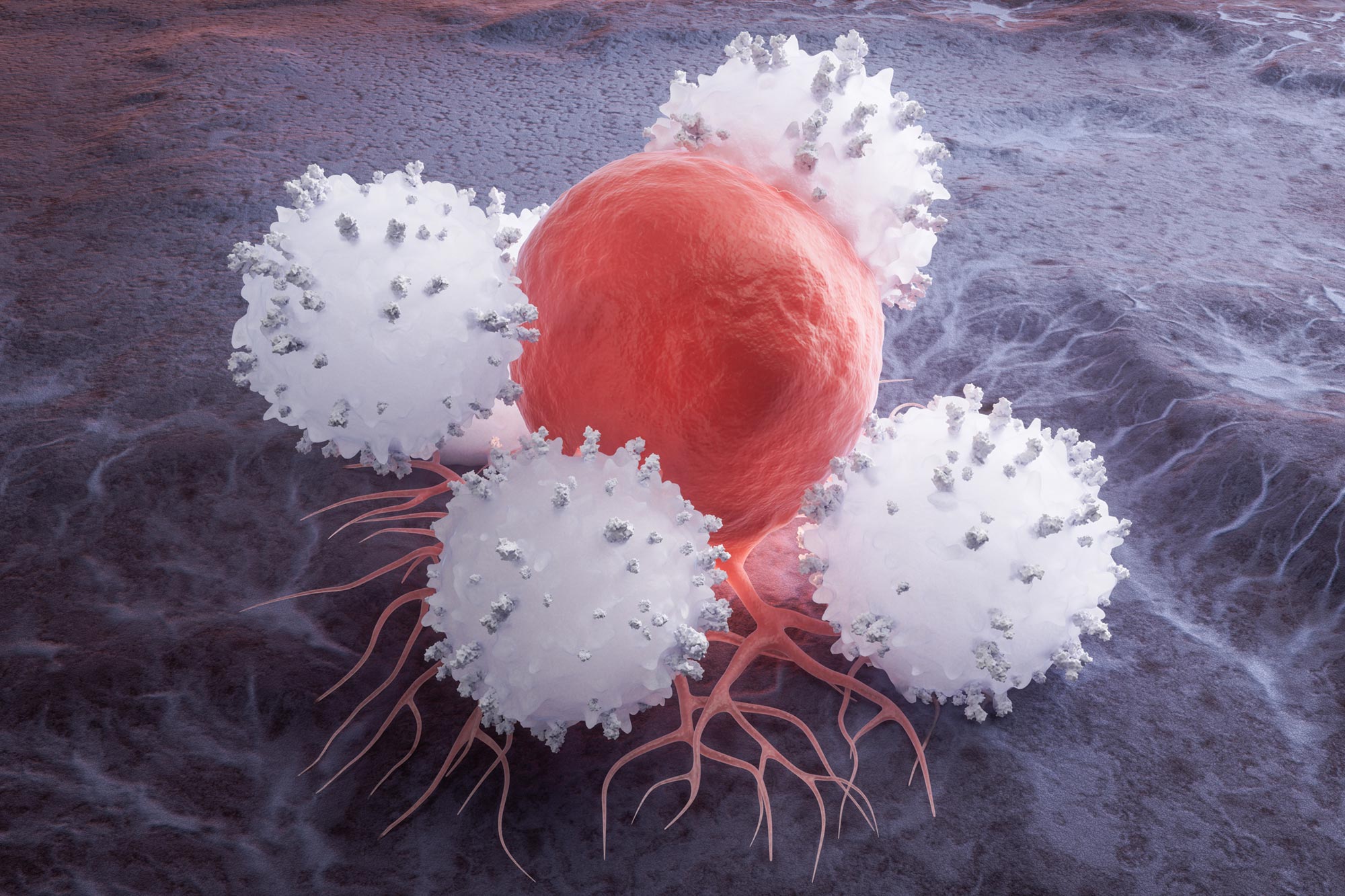
UCLA researchers have discovered a method to enhance the effectiveness of T cells in attacking solid tumors by providing them with a protected supply of cellobiose, a sugar that tumors cannot exploit. This innovation aims to address a key challenge in immunotherapy, where tumor cells often deprive immune cells of essential glucose, weakening their ability to combat cancer. By engineering T cells to metabolize cellobiose into usable glucose, the researchers found that these cells survived better and exhibited improved anti-tumor activity in preclinical tests. The approach also showed promise for CAR-T cell therapies, offering a potential solution to common issues with immune cell exhaustion in solid tumors. This strategy could benefit various T cell-based therapies currently in clinical trials for solid cancers.
*****
Summary Bullet Points:
- Breakthrough in Immunotherapy: Researchers at UCLA have developed a method to feed immune cells a unique sugar, enabling them to combat solid tumors more effectively.
- Tumor Survival Tactics: Solid tumors often deplete glucose, a critical energy source for immune cells, inhibiting their ability to function and attack cancer.
- Innovative Use of Cellobiose: By employing cellobiose, a non-toxic sugar that tumors cannot utilize, scientists provide T cells with the necessary energy to thrive and fight cancer.
- Successful Preclinical Trials: Engineered T cells using this method showed improved survival and activity against tumors in mouse models, suggesting potential applications in human therapies.
- Future of Cancer Treatment: This novel approach may enhance current T cell therapies, making immunotherapy more effective against a variety of solid tumors.
The Intersection of Science and Hope: Revolutionary Advances in Immunotherapy
Imagine being armed with incredible potential yet feeling utterly depleted. This is the plight of immune cells when they face solid tumors. As they rally against cancer, these courageous defenders often stumble upon a significant obstacle—a lack of glucose, an essential nutrient that fuels their ability to fight. This fascinating dilemma has captivated researchers, leading to groundbreaking work at UCLA that may change the landscape of cancer treatment forever.
The Energy Crisis in the Tumor Environment
Cancer, a disease characterized by cells replicating uncontrollably, often stands in stark contrast to the human body’s immune defenses. Within solid tumors—such as those in the lungs, breasts, and colon—cancer cells exhibit a cunning strategy: they consume glucose, depriving T cells of the very energy they need to thrive. Dr. Manish Butte, a prominent figure behind this research, expressed this predicament succinctly. "The balance between tumor cells eating the glucose and the T cells not having enough glucose is a key reason why tumors spread and elude immune attack."
Think about it: you show up to a battle, ready to fight, but your opponents have stripped you of your weapons. The metaphor fits. Without sufficient glucose, T cells’ production of vital cytokines—those critical proteins that signal immune responses—declines, stalling their mission to eliminate cancer.
A Sweet Solution: Cellobiose
So, how do we combat this metabolic shortcoming? Enter cellobiose, a natural sugar found in plant matter like cellulose. Unlike glucose, neither human nor tumor cells can metabolize cellobiose. However, researchers ingeniously adapted T cells to utilize this non-toxic sugar. This strategy not only sidesteps the tumor’s barricades but also ensures that T cells have the energy they require to fight effectively.
By incorporating specialized fungal proteins into T cells, researchers engineered them to convert cellobiose into accessible glucose. This innovative technique allowed T cells to flourish under conditions that would usually compromise their functionality. Experimental evidence is compelling: when these engineered T cells were placed in a lab setting mimicking the nutrient-starved environment of tumors, they not only survived but thrived, maintaining their vigor in the face of adversity.
Promising Results from Animal Trials
Following laboratory successes came animal trials. In mouse models of solid tumors, T cells that could metabolize cellobiose significantly outperformed their unmodified counterparts. Mice treated with engineered T cells displayed slower tumor growth and, in some cases, experienced complete regression of their tumors. Such results are nothing short of extraordinary!
What’s even more impressive is that these hyper-fueled T cells proved to be more active within the tumor environment. They proliferated more abundantly and exhibited fewer signs of exhaustion, which often stifles their effectiveness in real-world scenarios.
Dr. Matthew Miller, a lead author on the study, remarked on the breakthrough: “We demonstrate not only that glucose can be a limiting component of an effective anti-tumor response, but that we can design strategies to bypass the metabolic tug-of-war.”
Expanding the Horizons of Cancer Therapy
But wait—there’s more! This discovery presents exciting possibilities beyond just one type of cancer or treatment. The implications of engineering T cells with the ability to metabolize cellobiose are transformative. More than 500 clinical trials are currently investigating CAR-T cells for various solid tumors. The challenges of immune cell exhaustion, in which T cells eventually lose their effectiveness, have stymied many of these efforts.
By introducing this novel metabolic pathway into T cell therapies, researchers believe they can flip the script on cancer treatments. Just think about the lives this could impact: patients with previously untreatable solid tumors might find new hope in therapies that were once doomed to fail.
Dr. Butte encapsulated this optimistic vision: “Our method has the potential to benefit virtually any T cell-based therapy being developed for solid tumors.” That expansive vision is precisely why so much enthusiasm surrounds this innovative research.
Why Should This Matter to You?
You might be wondering, "Great, but why does this matter to me?" Here’s the thing: breakthroughs like this remind us of several important truths applicable beyond the realm of cancer therapy.
-
Resourcefulness is Key: Just as researchers tackled the energy dilemma faced by T cells, we, too, must find innovative solutions to our challenges. Think about the obstacles you face—are there unconventional strategies that could help you overcome them?
-
Adaptation and Change: Life is rife with challenges and setbacks, much like cancer’s relentless assault on the immune system. Adaptability is crucial; sometimes, we need to rethink our parameters and find new ways to succeed.
-
Collaboration and Innovation: The intersection of multiple disciplines—like immunology and genetics—led to this incredible breakthrough. Remember, working collaboratively often produces the best outcomes, whether in medicine or any other field.
-
Hope is Powerful: Just as researchers continue to push the boundaries of science for better cancer treatments, harbor hope for your personal aspirations. Much like these scientists, perseverance in the face of adversity often leads to breakthroughs in our own lives.
- Education is Empowerment: Gaining knowledge about advances in science empowers us to advocate for ourselves, whether in health or personal goals. The more we understand, the better equipped we are to take actions that influence our futures positively.
A Bright Horizon
The incredible journey undertaken by UCLA researchers is a testament to the power of curiosity, determination, and innovation. By manipulating the metabolism of T cells, they’ve forged a new path in cancer treatment that offers not just hope for patients but also a poignant reminder: there’s always room for advancement, creativity, and ultimately, healing.
As these advancements continue to unfold, let’s remember that facing down any challenge—be it personal or scientific—requires a mix of resilience, resourcefulness, and an unwavering hope for better days. When we find ourselves in situations that seem insurmountable, we must seek new avenues, much like these talented scientists did.
So, whether you’re battling your fears, chasing your professional dreams, or seeking to improve your health, remember the story of these T cells. There’s often a hidden reservoir of strength within reach, just waiting for the right approach to unveil it. Embrace curiosity. Remain steadfast. You might just find that sweet success is waiting just around the corner.