Summary of New Enzyme Discovery Could Protect Jaw Cartilage and Stop Arthritis:
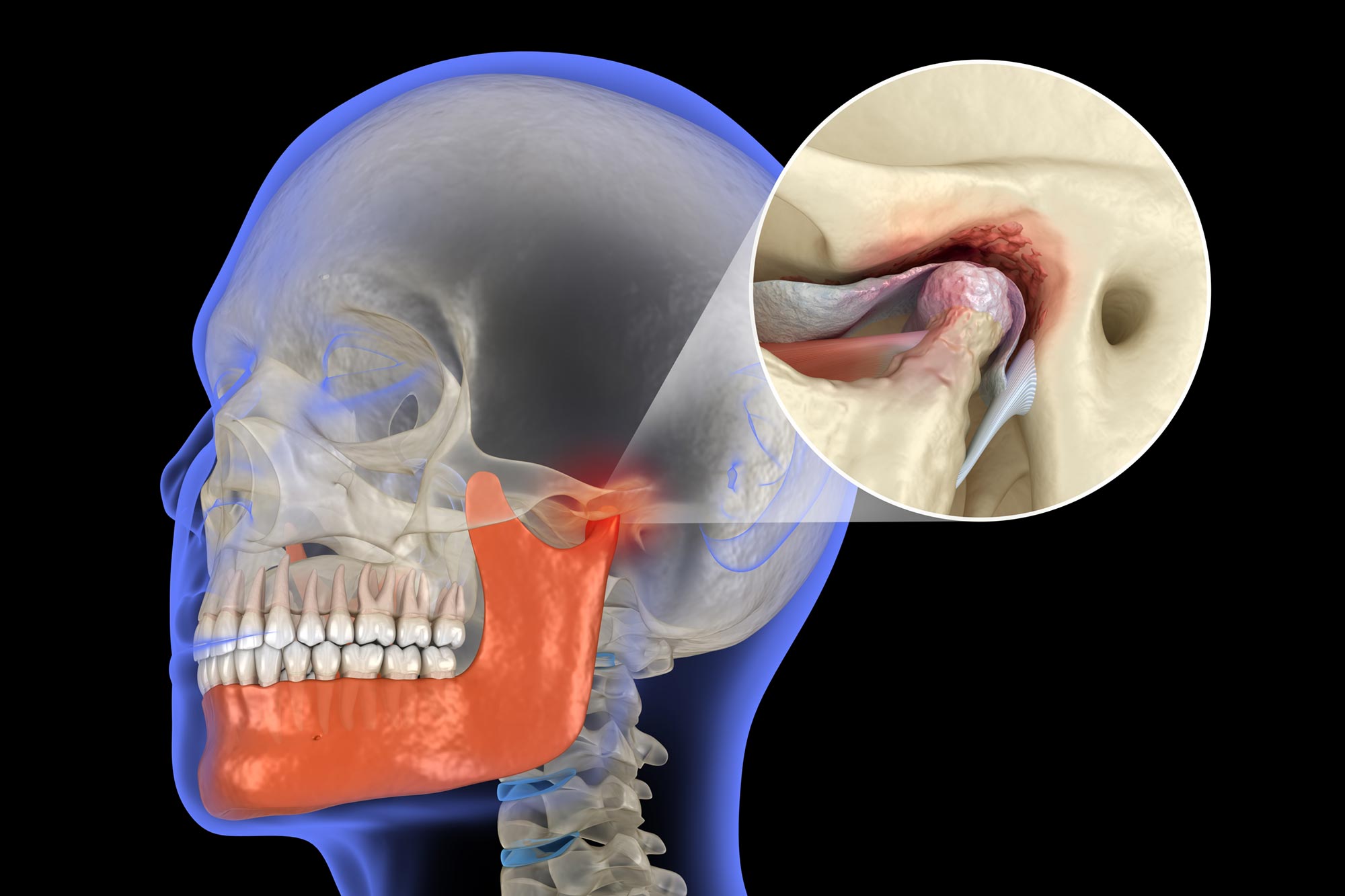
Researchers at Boston University have identified an enzyme called lysyl oxidase-like 2 (LOXL2) that may help protect cartilage in the temporomandibular joint (TMJ) from inflammatory damage. TMJ osteoarthritis (TMJ-OA) is a common condition that leads to cartilage degradation, resulting in stiffness and pain. The study utilized genetically modified mice and goat cartilage to explore LOXL2’s protective mechanisms against inflammation.
The findings indicate that LOXL2 suppresses inflammatory pathways, particularly the NF-κB signaling pathway, which, when activated, exacerbates tissue injury. By maintaining cartilage integrity and preventing cell death, LOXL2 could be a key therapeutic target for TMJ disorders, potentially improving treatments aimed at slowing arthritis progression. Further research is necessary to validate these effects in humans.
*****
Summary Bullet Points
- Discovery of LOXL2: Boston University researchers have identified an enzyme called lysyl oxidase-like 2 (LOXL2) that plays a protective role in cartilage health, especially in the temporomandibular joint (TMJ).
- Impact on Arthritis: LOXL2 has the potential to slow down or even halt the progression of osteoarthritis in the jaw by regulating inflammatory responses and protecting cartilage cells.
- Research Methodology: The study used genetically modified mice and goat cartilage samples to investigate how lack of LOXL2 affects cartilage health and inflammation.
- Clinical Implications: The findings could lead to new therapies specifically aimed at preserving joint function and improving quality of life for patients suffering from jaw arthritis.
- Calls for Further Studies: Although the initial results are promising, further clinical studies are necessary to confirm these effects in humans.
Exploring the Revolutionary Discovery of LOXL2 and Its Role in Managing Jaw Arthritis
Imagine for a moment the busy lives we lead, filled with conversations, laughter, and the simple act of chewing our favorite foods. Each time we engage in these basic activities, our jaw joints perform a complex dance, relying on a beautifully designed cartilage structure. Yet, for many, this essential mechanism can turn into a source of discomfort and pain, primarily due to a condition known as temporomandibular joint osteoarthritis (TMJ-OA).
This all too common ailment can disrupt daily life and make even the simplest tasks feel like monumental challenges. What if I told you that a recent scientific breakthrough could shine a light on new horizons for those suffering from TMJ-OA? The recent discovery of an enzyme called lysyl oxidase-like 2 (LOXL2) by researchers at Boston University offers some promising insight into managing joint health better.
The Mechanics of TMJ-OA
First, let’s take a step back and understand what it means to deal with TMJ-OA. This painful condition is caused by the gradual wearing away of cartilage in the jaw joint, which connects the lower jaw to the skull. The joint relies on cartilage and a disc to absorb pressure and minimize friction, allowing us to savor every bite and utter every word. However, once inflammation and deterioration set in, stiffness and pain can become the unfortunate norm.
Instead of panic or despair, let’s view this challenge through a lens of hope and possibility. While traditional treatments have focused on managing symptoms, the findings regarding LOXL2 could potentially pave the way for groundbreaking therapies designed to protect and even rebuild cartilage.
The Spotlight on LOXL2
So, what exactly does this enzyme, LOXL2, do? The research led by Assistant Professor Manish V. Bais sheds light on how LOXL2 serves as a guardian of cartilage. This isn’t just science jargon; it represents a shift toward understanding the cellular mechanisms that underpin joint health.
In animal studies, when researchers removed the Loxl2 gene from genetically modified mice, they observed an alarming chain of events. The absence of LOXL2 triggered an inflammatory cascade that weakened cartilage and activated destructive genes. This paints a vivid picture of how vital LOXL2 is for maintaining structural integrity in joint health.
Why should you care about this process? It highlights how intricate and dynamic our bodies are. It reminds us that at the cellular level, there is an entire universe working tirelessly to keep us moving smoothly. Each one of us carries the potential for resilience, and the discovery of LOXL2 plays directly into that narrative.
A Closer Look at the Research Models
The research team didn’t merely rely on a single method for their investigation. They employed a dual approach, analyzing data from genetically modified mice and goat cartilage samples. This mixed methodology gave them the opportunity to draw parallels to human jaw structures, thereby reinforcing the relevance of their findings.
Why goats, you may ask? Their jaw structure is strikingly similar to ours, making them valuable models for studying TMJ disorders. This clever maneuver not only enriches scientific understanding but also bridges the gap between animal and human health – a crucial element for potential clinical applications.
The Role of Inflammation and Cellular Protection
What emerges from this research is an empowering narrative: LOXL2 doesn’t merely exist; it actively participates in the ongoing battle against inflammation within our joints. Think of it as a sophisticated operator that regulates vital pathways. The NF-κB signaling pathway, often described as a "master switch", can mobilize inflammatory responses. However, LOXL2 may serve to keep this pathway in check, reducing inflammation and offering protection to chondrocytes, the specialized cells responsible for cartilage maintenance.
Profound, isn’t it? The fact that a single enzyme can contribute to cellular survival paints a broader picture of how interconnected bodily systems can be. This knowledge could redefine approaches to treatment: instead of merely suppressing inflammation, we may now have a tool to protect and regenerate.
Reversing Damage: A Hopeful Descent into Possibility
As the researchers continued their work, they unearthed compelling evidence that administering LOXL2 could reverse some damaging effects associated with inflammation. When they added extra LOXL2 to cartilage samples, they witnessed remarkable improvements. Levels of pain and breakdown-related molecules drastically decreased, while protective components of cartilage were restored.
This isn’t merely a lab finding but a potential game-changer. Imagine a future where therapies harness the power of LOXL2 to prevent or even reverse the debilitating impact of TMJ-OA. Patients could regain their ability to enjoy simple pleasures, free from the constraints of pain.
The Path Forward: Clinical Implications and Next Steps
While this study represents an exciting leap forward, it’s crucial to maintain an air of cautious optimism. The promise of LOXL2 as a therapeutic target for TMJ disorders has the potential to change lives, yet we must temper our enthusiasm with the understanding that further clinical studies are vital to corroborate these findings in humans.
The road ahead will not be without challenges. Researchers, clinicians, and scientists must work collaboratively to navigate the complexities of human applications. However, the discovery of LOXL2 has opened a door, and now it is up to us to venture down the path that could lead to innovative treatments for millions suffering from jaw arthritis.
Reflections on Resilience and Innovation
The narrative surrounding LOXL2 is not merely one of scientific triumph; it’s also a testament to human resilience and innovation. It is a reminder that as we face various challenges – be they physical, emotional, or psychological – we often have untapped resources within ourselves, much like the cellular mechanisms discussed here.
In moments when life feels overwhelming, consider channeling the spirit of LOXL2. Just as this enzyme strives to protect and preserve, we, too, can cultivate resilience and restore balance in our lives. Whether it’s focusing on self-care, establishing support systems, or simply taking one step forward, these acts of fortitude contribute to our overall well-being.
Conclusion: Embracing the Future of Jaw Health
The journey from understanding to application is often riddled with uncertainty, but it is also where hope resides. The insights garnered from this research inspire a belief in a brighter future for those struggling with TMJ-OA. Imagine a world where joint health isn’t merely a matter of managing symptoms but a commitment to preserving and enhancing the invaluable structures within our bodies.
In a time of rapid advancement and exploration, we have the potential to embrace change while remaining grounded in the knowledge that it originates from fierce hope and determination. The discovery of LOXL2 serves as a profound reminder that even in the face of persistent challenges, there exists the promise of innovative solutions – and that is a narrative worth celebrating.
