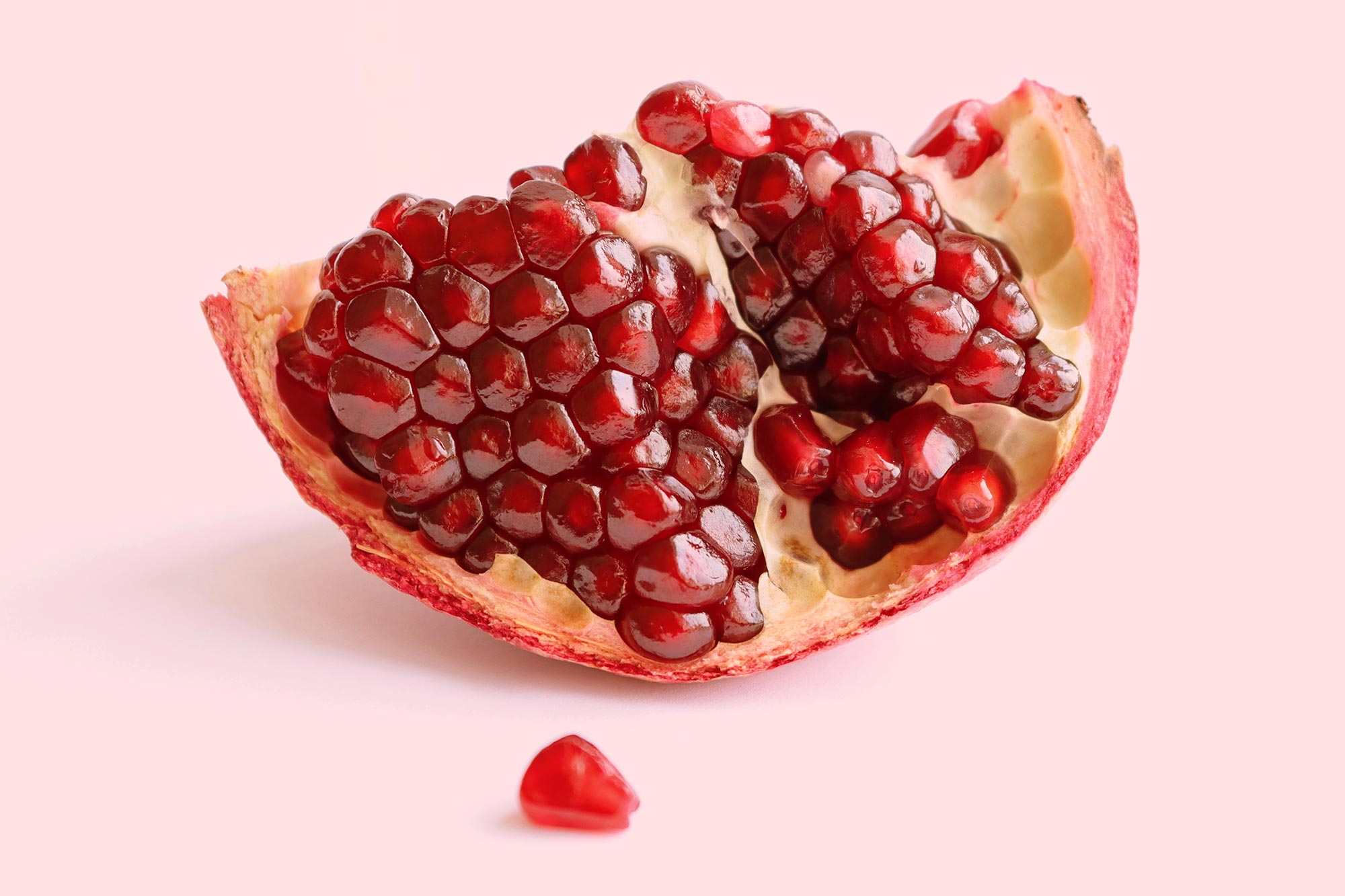
Summary of “Soapy Olive” Disease Has a Surprising New Enemy: Pomegranate Husks:
A recent international study has shown that extracts from carob leaves and pomegranate husks can potentially protect olive trees from anthracnose, a severe fungal disease that affects olive cultivation. Conducted by researchers from the University of Cordoba and the Polytechnic Institute of Bragança, the study found that these natural extracts reduced the germination and spread of the fungus and activated the olive plants’ defense mechanisms.
While the carob extract reduced disease incidence by 35%, it is noted that this percentage, although lower than traditional fungicides, represents a significant advancement. The study suggests these extracts could provide eco-friendly alternatives to synthetic fungicides, promoting sustainable agricultural practices. Future research will focus on testing these bioprotectants in field conditions and their industrial scalability.
*****
Summary Bullet Points:
- “Soapy Olive” Disease: Caused by the Colletotrichum fungus, this disease severely affects olive production and quality.
- New Allies: Research reveals that carob leaf and pomegranate husk extracts can combat this disease, providing a sustainable alternative to traditional fungicides.
- Mechanisms of Action: These extracts boost the plant’s natural defenses, enhance antioxidant responses, and increase the production of protective compounds.
- Study Insights: Initial findings show a 35% reduction in disease incidence, offering hope for more eco-friendly agricultural practices.
- Future Directions: The need for further field testing and scalability studies remains, paving the way for innovative solutions in agriculture.
A Fruitful Alliance: Pomegranate Husk and Carob Leave as Natural Defenders Against Soapy Olive Disease
The world of agriculture is an ever-evolving narrative, filled with challenges and triumphs that often mirror our own personal journeys. One such tale unfolding in the olive groves tells of the “Soapy Olive” Disease, a condition that might seem esoteric yet holds profound implications for farmers, consumers, and the delicate balance of our ecosystems. What if I told you that a couple of humble by-products—specifically, the husks of pomegranates and the leaves of carob—may be the unsung heroes we need to combat this agricultural nemesis?
Understanding the ‘Soapy Olive’ Disease
Let’s delve into what makes this disease so notorious. Technically known as olive anthracnose, the infection is orchestrated by several fungal species within the Colletotrichum genus. The term “soapy olive” comes from the greasy appearance of the infected fruit, a fitting metaphor for the confusion and dismay it brings to growers.
Imagine investing time, labor, and resources into nurturing olive trees only to see them struggle against a relentless foe. Olives are not just a crop; they are a cultural staple, rich in history and culinary significance. The repercussions of this disease extend far beyond the farm, affecting economies, local communities, and even global olive oil markets.
The Revelation: Unlikely Allies in the Fight Against Anthracnose
In this daunting landscape, new research is shedding light on potential solutions. A study conducted by a collaboration between the University of Cordoba and the Polytechnic Institute of Bragança has unearthed intriguing findings. Carob leaf and pomegranate husk extracts have shown potential in diminishing the impact of anthracnose, effectively positioning them as eco-friendly alternatives to problematic conventional fungicides.
Historically, these extracts were dismissed as mere agricultural waste. However, as times change and the understanding of sustainable practices evolves, so does the value of these materials. Trying to reduce chemical dependency is akin to a personal journey toward better choices; it often begins with questioning perceived norms and embracing innovation.
The Science Behind the Magic
One of the standout aspects of this research is the method by which these extracts exert their influence. Both carob and pomegranate extracts significantly impede the production and germination of Colletotrichum conidia—the spores that perpetuate the infection cycle. This might sound like jargon, but at its core, it speaks to a fundamental principle: the ability to stop a problem before it starts.
Moreover, researchers uncovered that these extracts bolster the plant’s inherent defense mechanisms. When applied preventively, especially carob extracts, they invigorate the plant’s antioxidant response and amplify the synthesis of protective phenolic compounds. Imagine this process as akin to building resilience: the more equipped you are, the better you can handle life’s inevitable challenges.
Controlled Conditions: Seeds of Hope
The study’s controlled environment trials yielded promising results, uncovering that carob leaf extract could reduce the incidence of disease by a substantial 35%. Although this number may not match the effectiveness of traditional copper-based fungicides, it sparks hope for a new paradigm in disease management—one that opts for sustainability over reliance on synthetic chemicals.
Herein lies an inspiring lesson: even small increments of improvement can cumulatively result in significant change. In our personal lives, this is reflected in those daily habits we develop—each small choice to exercise, read, or practice gratitude builds a robust foundation for greater prosperity and well-being in the long term.
The Road Ahead: Challenges and Solutions
While the study offers tantalizing prospects, we must also navigate the complexities ahead. For the new bioprotectants to take root in the broader agricultural landscape, a multi-faceted exploration awaits. Field tests are imperative to ascertain the extracts’ efficacy in the dynamic complexities of nature. Adaptability is the name of the game, not just in agriculture but in life itself.
Consider how often we craft plans without fully anticipating the variables. Life is unpredictable, filled with nuanced challenges that test our resolve. The unpredictable nature of crops exposed to varying environmental and biological factors can serve as a metaphor for our journeys. The beauty lies not only in reaching our desired goals but also in persevering through unforeseen circumstances.
From Research to Reality
Scaling these findings into widespread application raises questions about feasibility and resource allocation. Our desire for a cleaner, more sustainable future must be matched by our willingness to invest effort and resources into innovative solutions. It nudges us toward a broader understanding of responsibility—not just toward ourselves but toward our environment and future generations.
As individuals, we often find ourselves in a similar predicament. Personal growth requires investing in ourselves, be it through continued learning, nurturing relationships, or cultivating resilience against setbacks. Each obstacle faced can serve as an opportunity to learn, adapt, and thrive.
Wrap-Up: Planting Seeds of Change
The intersection of agriculture and science encapsulates a broader narrative about resilience, sustainability, and innovation. The findings from this recent study not only illuminate a path forward for olive growers but also offer a lens through which we can see our struggles and victories.
Pomegranate husks and carob leaves—a poetic testament to the power of nature’s offerings. They symbolize the potential we each possess to evolve, learn, and embrace opportunities that arise unexpectedly. Much like the pomegranate’s seeds, which hold promise for new trees, our endeavors can lead to new beginnings and fruitful outcomes when we choose to accept change.
As we navigate our journeys, may we draw inspiration from the natural world—the quiet resilience of olive trees, the underrated potential of agricultural by-products, and the belief that even against formidable challenges, victory is possible with creativity, determination, and the right allies. So, let’s keep pushing forward, planting seeds of innovation and leaving room for growth, both on the farm and within ourselves.