Summary of This New Blood Test Can Detect Cancer Before Tumors Appear:
Researchers have developed a cutting-edge optical sensor that uses CRISPR technology to detect cancer biomarkers in blood at extremely low concentrations. This sensor could enable early cancer detection and improved monitoring through routine blood tests.
The sensor employs a method called second harmonic generation (SHG), combining DNA nanostructures and quantum dots to amplify signals while minimizing background noise, thus providing precise measurements without chemical amplification. Tested on lung cancer patients’ samples, the sensor was successful in identifying cancer biomarkers at sub-attomolar levels, significantly enhancing early diagnosis capabilities.
The research team aims to create a compact, portable device for easier use in various medical settings.
*****
Summary Bullet Points
-
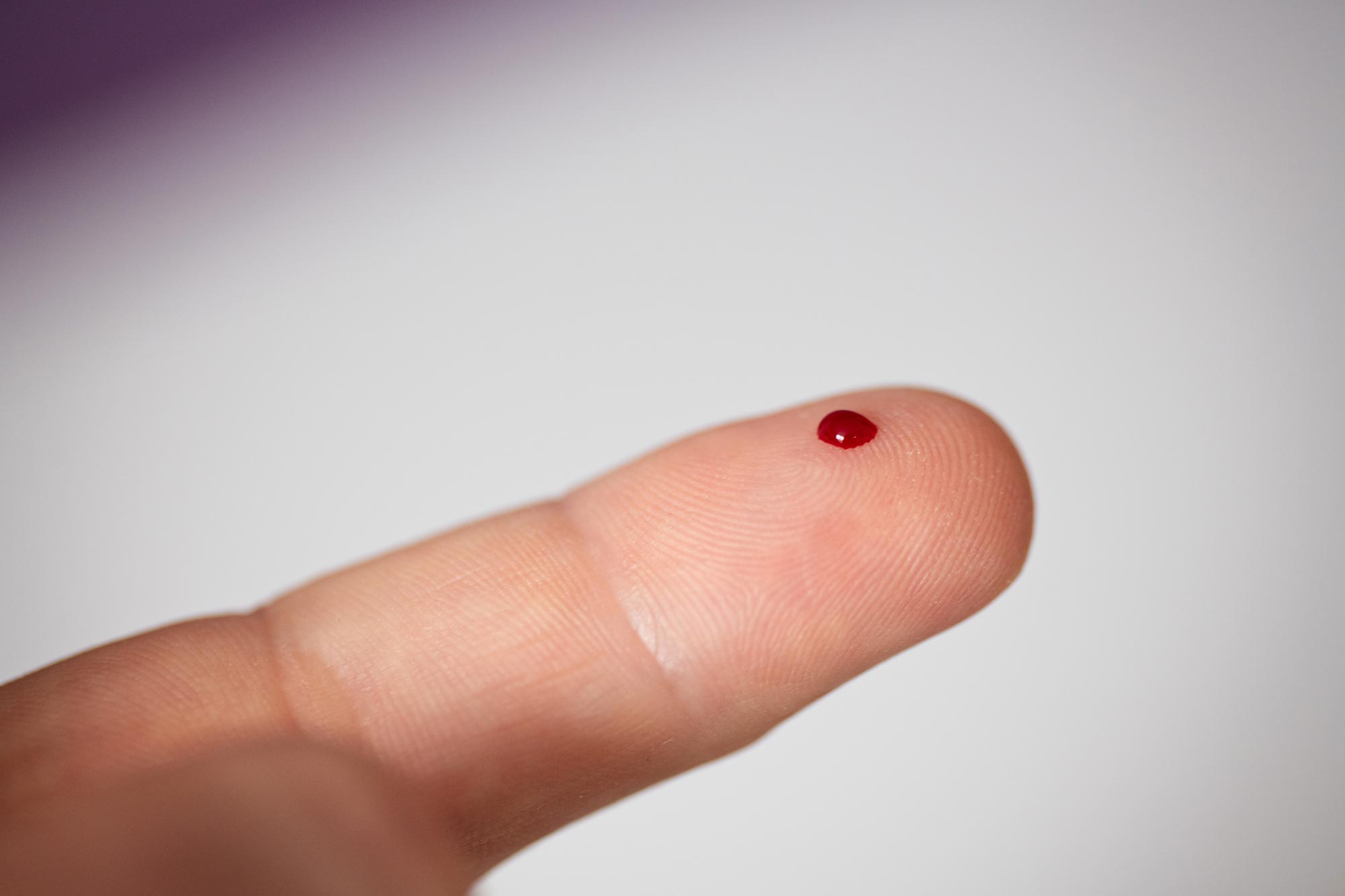
Breakthrough Technology: A new CRISPR-powered light sensor can detect cancer biomarkers in extremely low concentrations from a single drop of blood, enabling early detection.
-
Signal Detection: The sensor uses nanostructures and an innovative light-based method called second harmonic generation to identify faint biomarker signals.
-
Simplified Testing: Unlike current methods, this doesn’t require complex chemical amplification, making testing faster and more accessible.
-
Versatile Applications: In addition to lung cancer, this technology has the potential to identify other diseases such as Alzheimer’s and monitor treatment effectiveness.
- Future Prospects: The researchers aim to develop a compact device for widespread use, making cancer screening more accessible, even in remote areas.
The Dawn of Early Detection: Unraveling the Potential of a New Blood Test
Imagine a world where cancer is detected before it manifests into tumors, where a routine blood test could provide insights into your health status without the complexities of traditional diagnostics. The significant leap in cancer detection is not just a dream but is becoming a tangible reality. Scientists have developed a game-changing blood test that has the capacity to unveil the early whispers of cancer, allowing for timely interventions that could save lives.
A Marvelous Fusion: Science Meets Technology
At the core of this revolutionary advancement lies a CRISPR-powered optical sensor capable of detecting the faintest traces of cancer biomarkers in just one drop of blood. While the topic may sound esoteric and technical, the implications resonate far beyond the walls of laboratories. This technology stands as a beacon of hope, illuminating the path to early diagnosis and potentially transforming treatment paradigms.
The scientists, led by Han Zhang at Shenzhen University, have laid the groundwork for a method that may drastically shift the landscape of how we approach cancer detection. Remember, in the early stages of many diseases, biomarkers exist in minuscule quantities. This groundbreaking sensor is not only sensitive but also programmable, allowing it to adapt to a multitude of identifiers for various diseases.
How Does It Work?
Let’s dive a little deeper into the mechanics without losing sight of the wonder this technology embodies. The sensor harnesses the compelling principles of nanotechnology and biology. By integrating nanostructures made from DNA with quantum dots and CRISPR’s gene editing capabilities, it performs what can only be described as a symphony of light detection.
What’s remarkable about this system is its use of a technique known as second harmonic generation (SHG). This nonlinear optical effect allows the sensor to transform incoming light into light with half its wavelength. When combined with the strategic placement of quantum dots that amplify light signals, the result is a system sensitive enough to discern even the tiniest biomarkers at sub-attomolar levels.
A Glimpse into Real-World Applications
One of the key highlights of this newfound technology is its ability to detect lung cancer biomarkers in actual patient samples. Imagine the implications if, rather than relying on imaging techniques that appear only after a tumor has developed, we could monitor biomarker levels in real-time, akin to checking your blood sugar levels.
What’s more? The researchers stressed the significance of this capability, illustrating how it could advance personalized medicine. Doctors may soon be able to assess a patient’s drug efficacy on a daily or weekly basis, rather than waiting months for imaging results that often feel like an eternity.
The Future of Cancer Screening
You might wonder: what does this mean for the future? It offers a glimpse into a horizon where early screenings may not require complex procedures or excessive costs. The absence of amplification steps in the new platform streamlines the process and minimizes delays in testing. This could prove invaluable in enhancing patient care, driving down healthcare costs, and potentially elevating survival rates.
Post-detection, the versatility of this technology also shines through; it doesn’t limit itself to cancer alone. It presents the capability of identifying other diseases like Alzheimer’s, viral infections, and even environmental toxins. Envision a single device that could, with a simple drop of blood, uncover a spectrum of health concerns—a truly democratizing health innovation.
Overcoming Challenges in Detection
While this innovation is thrilling, it does raise questions about its accessibility and practical application. The team has already pinpointed the next step: creating a compact, user-friendly device suitable for clinics or even for use in remote areas with limited medical resources. This modularity could make a significant impact in regions lacking advanced healthcare infrastructures, paving the way for more timely interventions across diverse populations.
The Scientific Journey
What makes this research especially captivating is its methodical, almost artistic approach to merging life sciences with modern technology. The researchers crafted pyramid-shaped DNA tetrahedrons to precisely position quantum dots on the two-dimensional semiconductor 모리벤디옹. Through this assembly, they employed DNA not just as a biological material, but as a programmable medium, enabling utmost precision in construction.
This beautiful melding of disciplines holds boundless potential, as it elegantly illustrates the harmony between optical technology, biology, and nanomaterials. Each layer of complexity reveals an overarching narrative: innovation need not be an austere and disconnected realm but rather an exciting interplay of ideas and creativity.
The Call to Action
The introduction of this technology serves as an empowering reminder of what is possible when curiosity fuels innovation. Each step forward in research is bolstered by a collective spirit of inquiry and collaboration. The next time you hear of a breakthrough, allow it to inspire you to pursue your passions, whether they are rooted in science, art, or community.
Have you ever considered the journey of an idea from conception to realization? The researchers’ commitment to refining their technology echoes the resolve we all need in our own lives. Progress rarely happens in a straight line. It is fraught with trials, missteps, and revisions, much like our personal journeys.
Resilience and Adaptability
Adaptability, much like what this sensor achieves with its programmable nature, is a fundamental aspect of life. The ability to reassess your goals, revisit your strategies, and refocus your energies yields experiences that are invaluable. Just like science thrives on adapting ideas, we must also remain fluid in our goals and aspirations.
In navigating life’s uncertainties, resilience is key. Understanding that setbacks are a necessary component of growth will keep you grounded. Just as the researchers overcame challenges in sensor development, so too can you embrace your challenges as opportunities for growth.
Embracing Hope and Possibility
As we stand on the cusp of this extraordinary technological offering, it’s vital to appreciate how hope is stitched into the fabric of human progress. The prospect of catching diseases like cancer earlier offers not just a fighting chance but instills a renewed sense of optimism for the future of healthcare.
Let this story of innovation inspire you to reflect on your own life. Whether it’s pursuing a new passion, tackling a personal challenge, or simply reaching out to someone in need, consider the ripples your actions can create in the world around you.
Forward Together
In conveying this message, I encourage you to remain vigilant, curious, and passionate about exploration—whether it’s in the realm of scientific advancement or your own personal endeavors. Each advancement in our understanding of health, much like the new blood test surfacing in our dialogue, invites you to contemplate your role in the ever-evolving narrative of human experience.
By remaining open to possibilities, you can catalyze changes not only in your life but also in the lives of those around you. Remember that effective and transformative journeys often begin with a single step, just as this research commenced with a drop of blood.
As we venture forth into a future filled with promise and potential, let us do so with hearts full of hope and minds eager to learn. The most critical battles we face often start in our tiniest actions. The stories of those who push the boundaries of understanding encourage us to carve our pathways—to embody resilience, embrace adventure, and most importantly, to believe in the power of change.