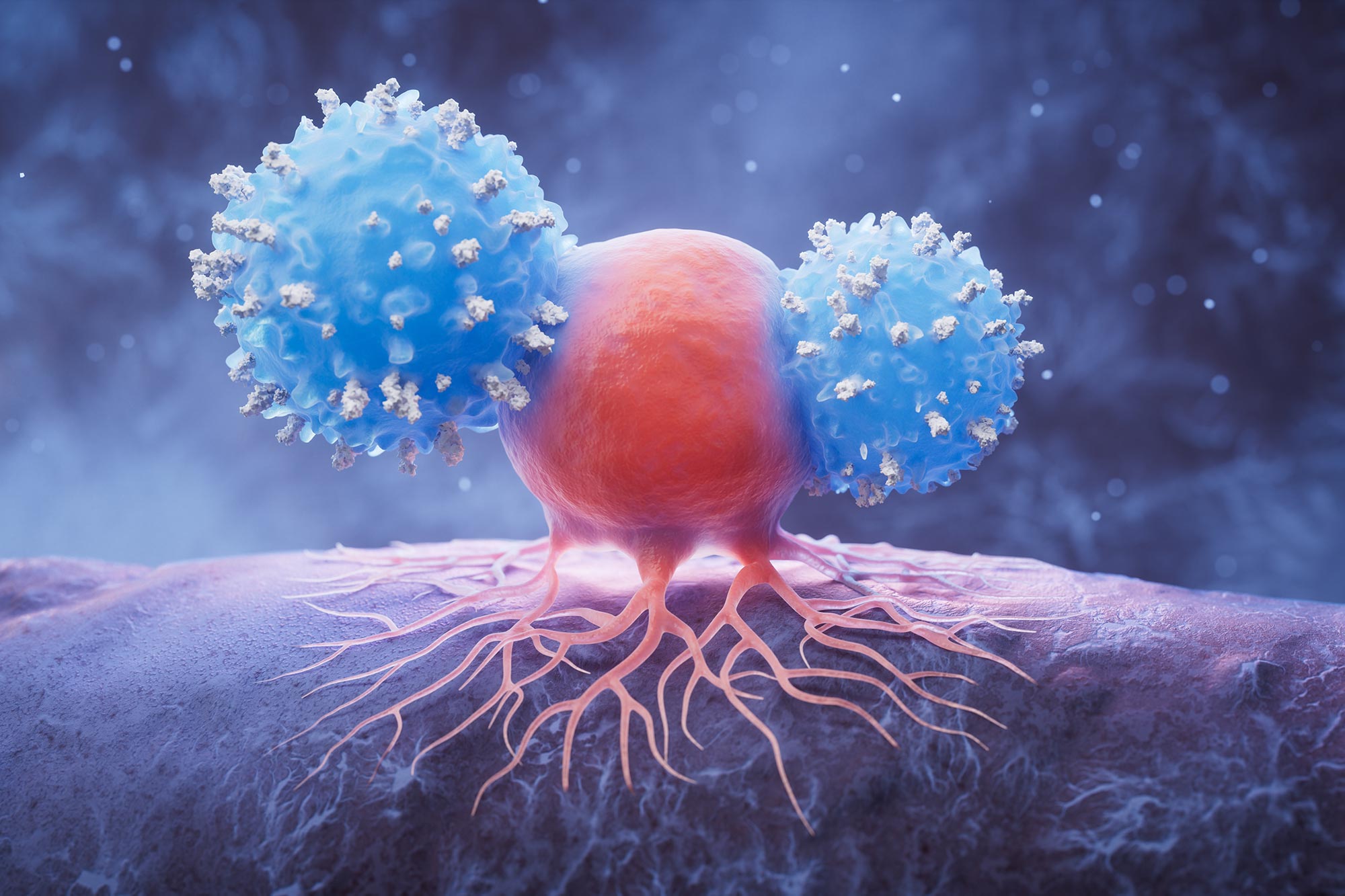
Summary of New Antibody Treatment Reawakens Immune System To Fight Pancreatic Cancer:
A recent study by researchers at Northwestern Medicine has uncovered how pancreatic tumors evade the immune system by utilizing a sugar-based “don’t harm me” signal that normally protects healthy cells. The cancer cells attach this sugar to a protein, misleading immune cells into not attacking the tumors. The team developed a monoclonal antibody to block this protective mechanism, successfully restoring immune activity against pancreatic cancer in preclinical models. This breakthrough, which took about six years to achieve, could lead to combination therapies with chemotherapy and immunotherapy. The researchers aim to fine-tune this antibody for human use, potentially making it available in about five years. The findings may also apply to other cancers and diseases where immune evasion occurs.
*****
Summary:
- A groundbreaking study reveals how pancreatic cancer cells evade the immune system using a sugar-based protective mechanism.
- Researchers at Northwestern Medicine developed a monoclonal antibody treatment that interrupts this shielding, restoring immune responses in mice.
- The newly created antibody could be combined with existing therapies for a more effective cancer treatment.
- The potential implications of these findings may extend beyond pancreatic cancer, exploring other hard-to-treat cancers and diseases.
- Ongoing research aims to tailor personalized therapies based on the mechanisms identified in this study.
The Intriguing Intersection of Immunology and Pancreatic Cancer Treatment
Pancreatic cancer—a disease that drives fear into the hearts of many—has long resisted effective treatment. Its characters are relentless, with a survival rate that remains dismally low at just 13% over five years. Recent advancements in our understanding of this cancer may shine a light in the darkness. Brace yourself for a journey through groundbreaking discoveries, filled with hope, potential, and the exhilarating promise of medical breakthroughs.
Researchers at Northwestern Medicine have made significant strides in understanding how pancreatic tumors infiltrate the immune system’s shields. The interplay between cancer and the immune system is a complex narrative, layered with intrigue and scientific curiosity. Often, our immune system, designed to combat invaders, is kept at bay by intricate signaling tactics employed by tumors.
Unmasking the Great Escape
Imagine a heist movie where the ultimate twist is that the thief cleverly disguises themselves as one of the good guys. This is precisely what pancreatic tumors do; they masquerade as healthy cells, employing a protective mechanism that would bewilder even the sharpest investigators.
The method behind this deadly con is the use of sialic acid, a sugar molecule that cancer cells exploit. In ordinary cellular dialogues, sialic acid serves as a "don’t harm me" signal, effectively enabling healthy cells to coexist peacefully with immune cells. But in a devious twist, pancreatic cancer makes use of this same sugar to trick the immune system into complacency. By attaching this sugar to a protein known as integrin α3β1, pancreatic tumors effectively send immune cells the misleading signal: “Ignore me, I’m one of you!”
This discovery wasn’t a quick flash of insight. It took a six-year journey of exploration and experimentation, as the team worked diligently to piece together this puzzle. "Seeing it work was a major breakthrough," remarked Mohamed Abdel-Mohsen, the study’s senior author. Indeed, their findings, recently published in Cancer Research, unveil the shady characters at play and offer an exhilarating glimpse into potential treatment avenues.
Turning the Immune System Back On
What does it mean to turn the immune system back on? Imagine telepathically communicating with your own body, sending signals to activate and coordinate a response tailored to eradicate these cunning tumors. The prospect is inspiring.
By blocking the deceptive sugar signals, Northwestern researchers developed monoclonal antibodies that awakened the immune cells. Picture the immune cells—once dormant—now heroically charging forth to engulf and destroy cancer cells. In laboratory settings, the treated mice experienced significantly slower tumor growth compared to their untreated counterparts. This breakthrough, akin to a powerful awakening, suggests that hope may be on the horizon for pancreatic cancer patients.
The intrigue doesn’t stop here. The team’s creative approach raises questions about the generalizability of these findings: could tumors in other cancers employ similar camouflage tactics? Indeed, the excitement of scientific exploration resembles the thrill of a treasure hunt, with scientists as sleuths unraveling secrets critical to human health.
Crafting a New Hope
Creating a new therapeutic approach is akin to art—it’s a blend of rigorous science, creativity, and perseverance. Abdel-Mohsen and his team embarked on a mission fraught with trials and errors. The process of isolating a suitable antibody involved screening through thousands of hybridoma cells until they found the potent combination capable of blocking the deceitful sugar interaction.
But what comes next? As exciting as this breakthrough is, it represents merely the stepping stone to even greater feats. The researchers are eyeing combination therapies that could enhance the efficacy of existing treatments. There’s a veritable treasure chest of possibilities; combining their newly developed antibody with current chemotherapy and immunotherapy options may pave the way to what everyone yearns for—a full remission.
“Our ultimate goal isn’t just a minor reduction in tumor size; it’s to eradicate cancer altogether,” Abdel-Mohsen emphasized. This aspiration echoes the sentiments of hope shared by countless patients and families affected by the disease.
Navigating Toward Clinical Testing
With a starry-eyed vision of advancing toward clinical trials, Abdel-Mohsen’s team is hard at work. They understand that real-world applications are essential, and thus are in the process of fine-tuning their antibody for human use. Their meticulous attention to detail indicates the high stakes involved in every phase of research.
Simultaneously, they are investigating the combined effects of their antibody with current therapies while developing companion tests. These tests aim to identify which patients would benefit most from the sugar-pathway interrupting antibody—an approach that reveals a commitment to personalized treatment.
This level of diligence reflects the profound aspiration to not just advance science, but genuinely change lives. Scientists envision their research like a tapestry, intricately woven together, where each thread represents a small yet significant advancement in combating one of humanity’s most challenging diseases.
Beyond Pancreatic Cancer: The Rippling Effects of Discovery
As they dig deeper into the realm of glyco-immunology—the study of how sugars regulate the immune system—the researchers ponder the implications of their findings for other cancer types. Could glioblastoma and other challenging conditions also be hiding behind a sugary shield? This line of inquiry sets the stage for future breakthroughs, igniting more than just hope in the hearts of researchers; it awakens the dream of extending these insights to treating various immune-related disorders.
Each new piece of information adds layers of depth to our understanding of not just cancer, but health itself. This field, still in its infancy, has the potential to revolutionize medicine. The ongoing exploration is akin to unearthing layers of a complex puzzle, with every breakthrough amplifying the sound of hope.
The Spirit of Innovation: A Call to Action
What does all this mean for you and me? Beyond the intricacies of science, this narrative delivers a resounding message: innovation is possible, and it springs from curiosity, tenacity, and collaboration. Whether you’re a researcher in a lab, a student with dreams of making a difference, or a patient waiting for hope, each one of us plays a part in this ongoing story.
Consider taking a moment to reflect on this progression. What challenges do you face in life? Much like the researchers navigating the labyrinth of immunology, your own journey may require perseverance and the courage to explore the unknown. Draw inspiration from their relentless pursuit of a breakthrough—it’s a reminder that, even when the path seems fraught with obstacles, progress is achievable.
Let us be inspired by the tenacity exhibited by scientists. Their victories, small or large, pave the way for revolutionizing cancer treatment, intertwining threads of science and humanity, ultimately aiming for one shared goal: a world where cancer doesn’t need to instill fear.
The journey doesn’t end here. With findings that keep unfolding, and research that continues to flourish, we stand on the brink of new horizons. Each step forward signals progress, promising to illuminate the pathway not just for pancreatic cancer patients but for anyone navigating the complicated landscape of challenging health conditions.
So as we embrace the promise of new therapies and revel in the triumphs of science, let each of us carry a fragment of this spirit, motivating ourselves to seek breakthroughs in our own lives, however small they may seem. Together, through the lens of curiosity, resilience, and hope, we can all contribute to shaping a brighter future.