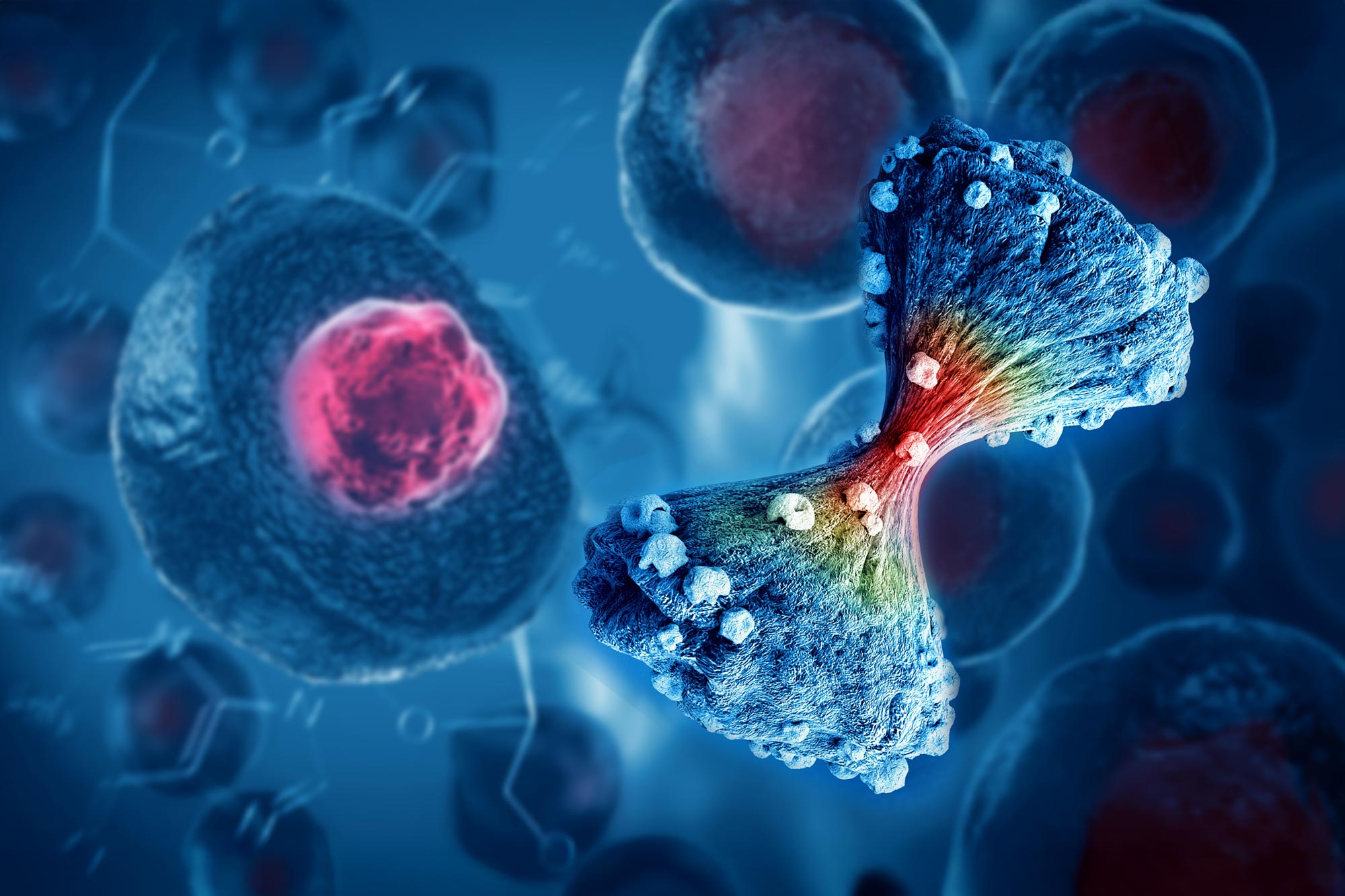
Summary of New AI Model Predicts Cancer Spread With Incredible Accuracy:
Researchers at the University of Geneva have developed an AI tool called MangroveGS that analyzes gene-expression signatures to predict the likelihood of tumor metastasis. By studying colon cancer cells, they identified specific factors and gene patterns that indicate whether a tumor will spread. Their findings reveal that metastatic risk is influenced by collective interactions among cancer cells, rather than single cells alone. MangroveGS boasts nearly 80% accuracy in predicting metastasis and recurrence, outperforming existing tools. This innovation could enhance personalized cancer treatment, allowing better monitoring and reducing overtreatment for low-risk patients. The research is published in Cell Reports.
*****
Key Highlights of the New AI Model in Cancer Prediction:
- AI Breakthrough: Researchers at the University of Geneva have developed an AI tool called MangroveGS that analyzes gene-expression patterns to predict cancer metastasis reliably.
- Understanding Metastasis: The study sheds light on why certain tumors spread and how the underlying genetic signatures can indicate the likelihood of this spread.
- Clinical Application: MangroveGS aims to enhance personalized treatment by providing oncologists with actionable data from tumor samples.
- Wider Implications: The created model has implications not only for colon cancer but also for predicting metastatic risks in various cancer types, including breast and lung cancers.
- Ethical Considerations: The AI’s potential to reduce overtreatment in low-risk patients could significantly impact healthcare costs and patient well-being.
The New Dawn in Cancer Research: An AI Model That Predicts Cancer Spread Accurately
In the kaleidoscopic world of medical research, every so often, a breakthrough emerges that can shift paradigms and reshape the future of treatment. A recent innovation from the University of Geneva promises just that—a new AI model named MangroveGS that holds the capacity to predict the spread of cancer with astounding accuracy. This model doesn’t just skim the surface; it digs deep into the genetic DNA of tumors, unveiling mysteries that have long puzzled scientists and baffled oncologists.
The Enigma of Metastasis
Understanding why some cancers choose to metastasize while others remain localized is a perplexing puzzle that has confounded the medical community. It’s unsettling to think that by the time doctors can detect signs of metastasis—like circulating tumor cells in the bloodstream—the cells might already be on their way to wreak havoc elsewhere in the body. But what if we could reverse this grim narrative? What if understanding the nuances of genetic expression could pave the way for more informed treatment strategies?
This particular study pivots around confronting one of cancer’s most perilous aspects—metastasis. Researchers turned their lens to colon cancers, identifying distinct genetic markers that appear to dictate whether cells will remain bound to their original tumor or break free to conquer new territories in the body. The overarching aim is not simply to unveil biological patterns but to harness that knowledge via AI for clinical applications that matter in practice.
Decoding the Language of Cells
The language of cells is intricate, and researchers set out to decode it. Rather than relying on dominant genetic changes that can explain primary tumor formations, they pinpointed that the ability of a cancer cell to metastasize is often dictated not by a singular mutation but rather by a compendium of interactions between groups of related cancer cells. Can you imagine the implications of this? By isolating cloned cells from primary tumors, they investigated how these cells migrated and behaved, transforming complex data into actionable insights.
The study involved dissecting the molecular identity of cells while also maintaining their living functions. This tightrope act culminated in the revelation of how specific gene-expression signatures significantly correlate with the ease of cellular migration. As it turns out, understanding the collective dynamics of these cancer cells can provide a clearer picture of their metastatic potential.
Introducing MangroveGS
With inspiration drawn from the fluctuating energy of these cells, researchers crafted an algorithmic marvel—MangroveGS. This tool doesn’t just predict with a scattershot approach; it leverages dozens, even hundreds of gene signatures. Think of it as an intricate orchestra where each gene plays a symphony, and MangroveGS is the conductor ensuring that harmony reigns, thereby resisting variations that may obscure results.
Upon training, this AI model exhibited an impressive prediction capability, achieving nearly 80 percent accuracy in estimating metastasis and recurrence for colon cancer. This is a game-changer. Existing prediction tools simply cannot boast such reliability.
But here’s the tantalizing twist: the genetic signatures honed in colon cancer hold the key not only for that specific type but extend their predictive power to other malignancies like stomach, lung, and breast cancers. This means, in essence, a potentially universal tool could emerge from this research, expanding its impact across various cancers.
A Transformation in Clinical Practice
Imagine walking into a clinic with your tumor sample, knowing that a system like MangroveGS could analyze it right there on-site. What once required elaborate lab testing and lengthy waiting periods could soon become streamlined. Doctors would receive a metastatic risk score, allowing them to tailor treatment plans with precision that has long been elusive.
It’s this simplicity and utility that could revolutionize patient care. No longer would low-risk patients face the specter of overtreatment with its accompanying side effects and costs. Conversely, high-risk patients would benefit from intensified monitoring and potentially life-saving interventions. Thus, the emotional and financial burdens often tied to cancer treatments could be significantly alleviated.
Moreover, this model has implications that ripple through the research community. Optimizing participant selection for clinical trials could enhance the reliability of study results, taper the number of volunteers needed, and ultimately pave the way for breakthroughs that are desperately sought. It’s a comprehensive approach to serious medical dilemmas that resonates on multiple levels.
The Journey Ahead
As the narrative unfolds, the story surrounding MangroveGS signifies more than just a scientific endeavor; it embodies hope. The potential of AI in the medical realm transcends mere technological advancement; it’s a beacon of innovation that could redefine how we understand and fight cancer.
The transformation of clinical practices and research methodologies promises not just to enhance survival rates but to significantly enrich the quality of life for patients battling this unforgiving disease.
In a world often darkened by the shadow of cancer, the emergence of AI-driven predictions shines a light. This technology can decode the complex signals given off by our cells and, in doing so, could act as the compass guiding us through the treacherous waters of cancer treatment.
A Call to Embrace the Future
We stand on the brink of a new era in oncology. The journey toward understanding cancer is anything but linear—it’s more akin to a winding path through a dense forest. The developments around MangroveGS remind us that we possess the tools and intelligence necessary to navigate this complexity.
The urgency is palpable. The vulnerabilities revealed through these studies compel us to embrace AI, not out of fear but with a sense of wonder and hope. This model acts as a testament to human ingenuity and a relentless quest for knowledge. It nudges clinicians, researchers, and patients toward more informed, empowered choices.
One could speculate on the future. What lies ahead in our fight against cancer? How many more lives will be touched, transformed, and saved because of breakthroughs like MangroveGS?
These questions may not have straightforward answers, but they inspire a sense of possibility that fuels further exploration. Each step we take brings us closer to a future where cancer isn’t an automatic death sentence but a manageable condition, and every patient has access to care that’s as unique as they are.
In essence, MangroveGS isn’t just a tool; it embodies the essence of human persistence, a dance of neurons and genes translating into meaning that can save lives. Let us keep pushing boundaries, for within each challenge lies an opportunity for growth, learning, and, ultimately, healing.