- The role of GLP-1 in metabolism and insulin sensitivity
- Dietary strategies to naturally increase GLP-1 levels
- The importance of physical activity on GLP-1 secretion
- The impact of gut health on GLP-1 production
- Lifestyle modifications to support GLP-1 secretion
The role of GLP-1 in metabolism and insulin sensitivity
Glucagon-like peptide-1 (GLP-1) is a critical hormone in metabolic regulation. It is produced by the intestines in response to food intake and plays a significant role in enhancing insulin secretion when glucose levels are elevated. This hormone also promotes satiety, reducing appetite and food intake, making it an important player in weight management. Additionally, GLP-1 slows gastric emptying, helping to maintain stable blood sugar levels. Its multifaceted effects position GLP-1 as a key component in the regulation of metabolic disorders, including obesity and type 2 diabetes. Understanding how to naturally boost GLP-1 can be advantageous in supporting metabolic health, insulin sensitivity, and overall well-being.
Dietary strategies to naturally increase GLP-1 levels
One of the most effective methods to boost GLP-1 levels is through dietary adjustments. Consuming foods rich in dietary fiber can stimulate GLP-1 secretion. Soluble fibers, found in foods such as oats, legumes, and fruits, ferment in the gut, producing short-chain fatty acids (SCFAs), which have been shown to enhance GLP-1 levels. Incorporating more whole foods into the diet can be beneficial.
High-protein foods also have a positive impact. Proteins can promote the release of GLP-1 more than carbohydrates or fats, making them vital in meal planning, particularly for those aiming to improve metabolic health. Foods such as lean meats, eggs, dairy, and plant-based sources like lentils and chickpeas serve as excellent options.
Moreover, healthy fats can also play a role in GLP-1 secretion. Foods rich in omega-3 fatty acids, such as fatty fish and walnuts, as well as avocados, can have beneficial effects on GLP-1 levels. Incorporating these food sources not only supports GLP-1 production but also promotes cardiovascular health.
Incorporating fermented foods into the diet can likewise stimulate GLP-1. These foods, such as yogurt, kefir, and fermented vegetables, contribute to gut health by introducing beneficial bacteria. Improved gut health has a direct correlation with enhanced GLP-1 secretion, creating a beneficial feedback loop.
The importance of physical activity on GLP-1 secretion
Exercise is another powerful strategy to naturally increase GLP-1 levels. Engaging in physical activity can significantly affect hormone regulation, including that of GLP-1. It has been observed that both endurance and resistance training can promote GLP-1 secretion.
Endurance activities, such as running, cycling, or swimming, can enhance the body’s response to glucose and improve insulin sensitivity. Even moderate-intensity activities can lead to increased levels of GLP-1 following exercise.
Resistance training, which builds muscle mass, can also improve metabolic health markers. Muscle tissue plays a crucial role in glucose homeostasis and can improve the overall efficiency of GLP-1. Thus, a well-rounded approach incorporating both aerobic and strength training is optimal for enhancing GLP-1 levels and improving metabolic health overall.
The impact of gut health on GLP-1 production
The gut microbiome is intimately linked to GLP-1 production. A diverse and balanced gut microbiome encourages the efficient fermentation of dietary fibers, leading to the production of SCFAs, which can stimulate GLP-1 secretion.
Consuming a varied diet rich in prebiotic foods, such as garlic, onions, bananas, and leeks, can foster a healthy gut microbiome. Prebiotics feed beneficial bacteria in the gut, encouraging their growth and activity. It is crucial to maintain this diversity as it directly impacts GLP-1 levels.
Conversely, an imbalanced gut microbiome can impair the production of GLP-1. Factors such as antibiotic use, high-sugar diets, and processed foods can lead to dysbiosis, reducing beneficial gut bacteria and negatively affecting GLP-1 secretion. Prioritizing whole, natural foods and minimizing processed items can aid in cultivating a healthier gut environment.
Lifestyle modifications to support GLP-1 secretion
Small lifestyle changes can also be effective in supporting GLP-1 production. Stress management plays a significant role in metabolic health. Chronic stress can disrupt hormonal balance, negatively influencing GLP-1 levels. Practices such as mindfulness, yoga, or even simple breathing exercises can mitigate stress and create a healthier hormonal environment.
Sleep is another critical component. Inadequate sleep can lead to insulin resistance and decreased GLP-1 levels. Aiming for 7-9 hours of quality sleep per night can help enhance metabolic functions, including the secretion of GLP-1.
Hydration also should not be overlooked. Water is essential for countless physiological processes, including hormone production and regulation. Staying adequately hydrated can support GLP-1 secretion and overall metabolic health.
Lastly, incorporating mindful eating practices, such as eating slowly and focusing on food textures and flavors, can enhance satiety signaling and boost GLP-1 levels. Paying attention to hunger signals and eating accordingly can lead to more balanced meal patterns, further supporting metabolic health.
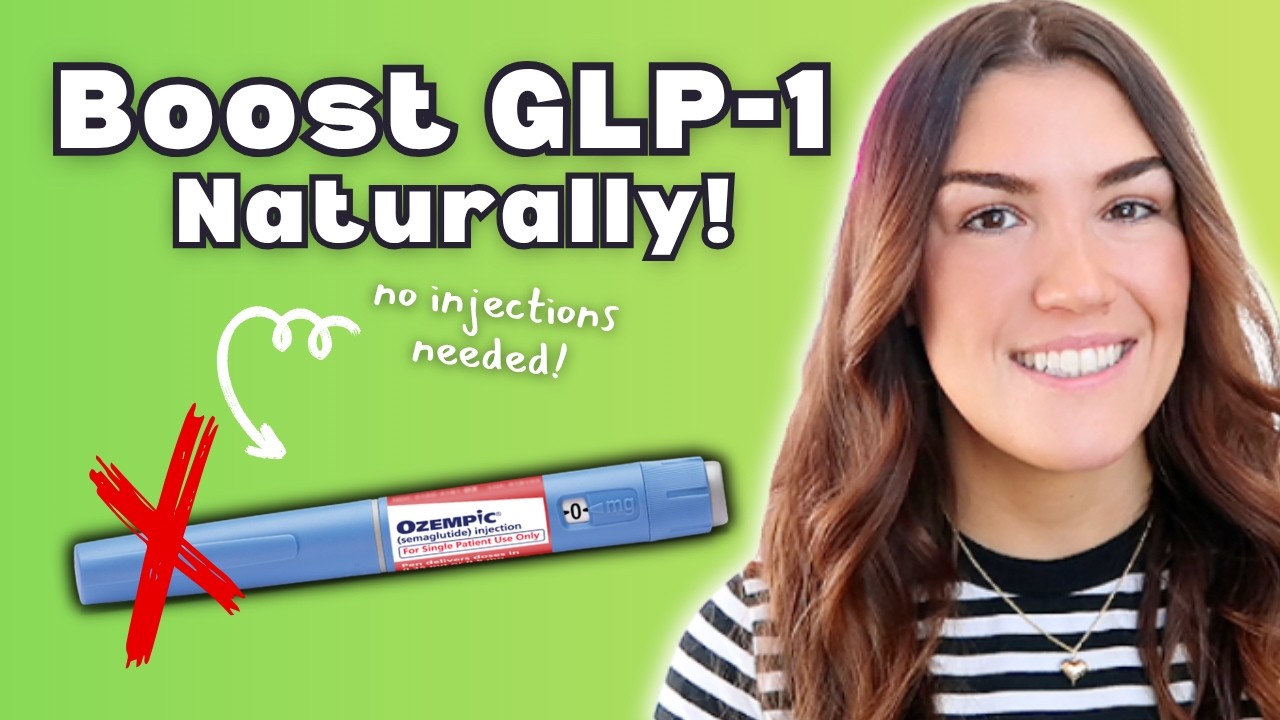
By implementing these strategies, it is possible to naturally boost GLP-1 levels without the need for injections or pharmaceutical interventions. Adopting a holistic approach—combining dietary adjustments, physical activity, gut health focus, and lifestyle modifications—can create a positive cycle of improved insulin sensitivity and weight management, ultimately contributing to better overall health.
*****
Source Description
Save 10% off GLP-1 boosting drink GOOD IDEA with code KAIT (US only) https://hckait.com/goodidea ⭐️
GLP-1 drugs like Ozempic are everywhere right now, but did you know you can boost this powerful hormone naturally, no injections needed? In this video, I’ll share 6 proven ways to increase GLP-1 using food, movement, and simple lifestyle changes.
You’ll learn why protein, resistant starch, healthy fats, and even spices like cinnamon and turmeric stimulate GLP-1, plus how exercise and walking after meals help your body release more of it. I’ll also show you how functional drinks like GOOD IDEA can reduce post-meal spikes and support your natural GLP-1 system, making it easier to control appetite, balance blood sugar, and support weight loss.
Your body already produces GLP-1, you just need to activate it. These strategies will help you take advantage of your own hormones naturally, without relying on injections.
🩸 3-Day Blood Sugar Reset → https://healthcoachkait.com/bloodsugarreset
⚠️ 7-Day Insulin Resistance Masterclass → https://healthcoachkait.com/IRmasterclass
🎧 Healthy Not Complicated Podcast → https://hckait.com/podcast
Hi, I’m Kait Malthaner (aka Health Coach Kait) — a certified health and nutrition coach specializing in blood sugar balance and reversing insulin resistance. I help you simplify health so you can naturally lower blood sugar, A1c, and blood pressure, lose stubborn belly fat, and feel your best again. Getting healthy doesn’t have to be complicated—small changes lead to big results.
Start reversing insulin resistance with me today.
⸻
Recommended Products & Discounts
🩸 At-Home Insulin Resistance Test (Code: KAIT10) → https://hckait.com/getsowell
🧂 Electrolytes (Code: HCK15) → https://hckait.com/sodiielectrolytes
💫 Berberine (Code: KAIT10) → https://hckait.com/getsobalanced
🩷 Inositol (Code: KAIT10) → https://hckait.com/getsosynced
🥤 Blood Sugar Drinks (Code: KAIT15) → https://hckait.com/goodidea
💪 Protein Powder (Code: HCK15) → https://hckait.com/protein
🔥 CKM (Code: KAIT15) → https://hckait.com/ckm
📱 CGM (Code: KAIT30) → https://hckait.com/nutrisense
⸻
Timestamps
0:00 Intro
0:31 The hype around GLP-1’s
1:23 Protein-rich meals
2:29 Exercise
3:15 Resistant starch
3:52 Healthy fats
4:31 Spices
4:52 Functional drinks
6:10 When GLP-1 isn’t enough
⸻
Disclaimer:
This video is for informational purposes only and is not a substitute for professional medical advice. Always consult your doctor regarding any medical concerns. Some links are affiliate links, meaning I may earn a small commission at no extra cost to you. I only recommend products I personally use, trust, and love.