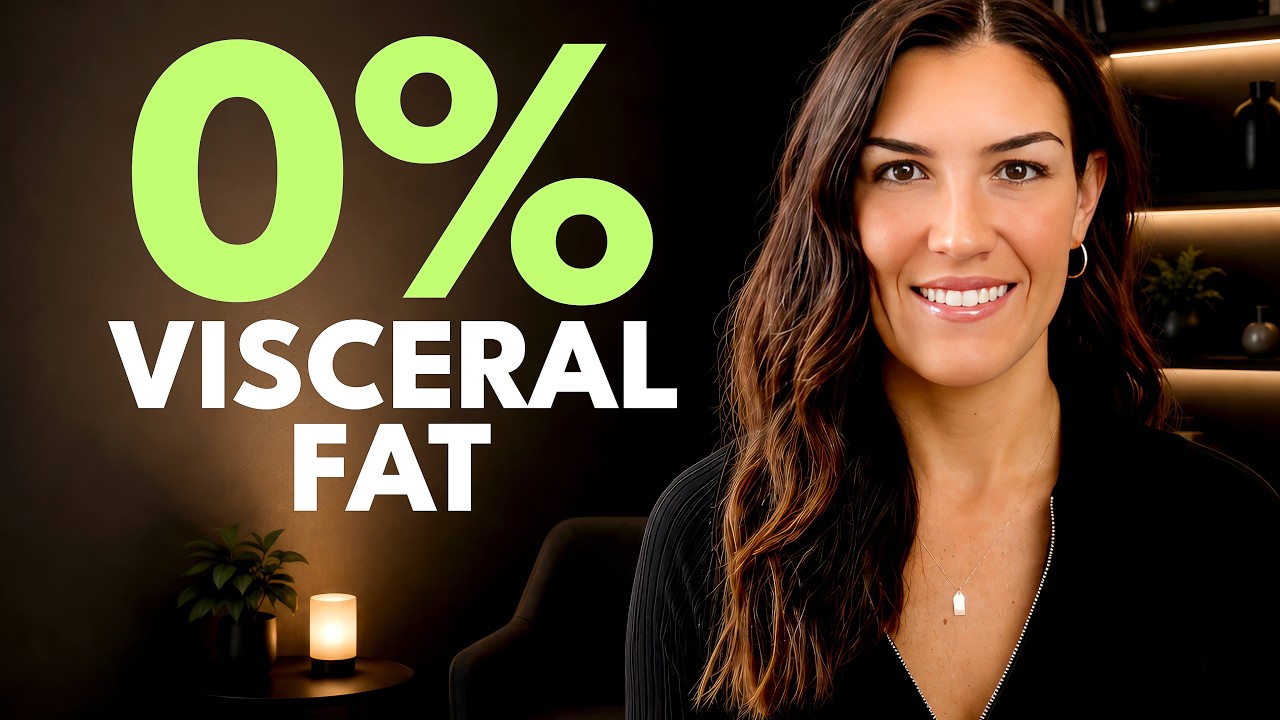
- Importance of maintaining low visceral fat for health.
- Overview of effective dietary strategies.
- The role of exercise in managing visceral fat.
- Impact of lifestyle choices on metabolic health.
- Key considerations for monitoring and assessing body composition.
Maintaining low visceral fat is crucial for overall health. Visceral fat, which surrounds internal organs, poses a higher risk for metabolic diseases such as type 2 diabetes, cardiovascular conditions, and certain cancers. Unlike subcutaneous fat, which lies beneath the skin, visceral fat is more metabolically active and contributes significantly to inflammation, insulin resistance, and hormonal imbalance. Thus, understanding strategies to manage and reduce visceral fat is essential for anyone looking to enhance their well-being.
A well-rounded diet plays a pivotal role in controlling visceral fat levels. A focus on whole, minimally processed foods can dramatically affect body composition. This includes a variety of fruits and vegetables, whole grains, lean proteins, and healthy fats. Diets rich in fiber, particularly soluble fiber, have been shown to promote fat loss, particularly in the abdominal area. Foods such as oats, legumes, avocados, and flaxseeds provide this essential nutrient. Additionally, consuming lean protein sources like poultry, fish, and plant-based proteins aids in satiety, making it easier to maintain a balanced caloric intake.
Incorporating healthy fats, specifically monounsaturated and polyunsaturated fats, contributes to visceral fat management. Sources such as olive oil, nuts, seeds, and fatty fish are beneficial. These fats help reduce inflammation and improve insulin sensitivity. It’s also advantageous to minimize intake of refined carbohydrates and sugars, which can spike insulin levels and contribute to fat storage. Focus on complex carbohydrates, such as brown rice and quinoa, for sustained energy release without the adverse effects associated with added sugar.
Exercise holds a prominent place in the battle against visceral fat. Engaging in regular physical activity not only aids in weight management but also enhances insulin sensitivity. Aerobic activities, such as walking, running, or cycling, are particularly effective in reducing visceral fat. Aim for at least 150 minutes of moderate aerobic activity per week. Additionally, resistance training can complement aerobic exercise by building muscle mass. Increased muscle mass raises the basal metabolic rate, which helps with fat burning. Incorporating high-intensity interval training (HIIT) may provide extra benefits, as it can increase post-exercise oxygen consumption, further boosting calorie burn.
Lifestyle choices significantly contribute to visceral fat levels. Sleep quality and stress management are often overlooked but can have profound effects on metabolism and body composition. Insufficient sleep disrupts hormonal balance, leading to an increase in appetite and cravings for high-calorie foods. Aim for at least 7-9 hours of quality sleep each night. Moreover, chronic stress leads to elevated cortisol levels, which are linked to fat accumulation, particularly around the abdomen. Techniques such as mindfulness, yoga, or meditation can be beneficial for stress reduction.
Monitoring body composition can provide vital insights into visceral fat levels. Advanced imaging techniques such as MRI or CT scans effectively differentiate between visceral and subcutaneous fat. However, simpler methods like waist circumference measurement can also be informative. A waist measurement exceeding 40 inches for men and 35 inches for women typically indicates higher visceral fat levels and an associated health risk. Regular assessments can help track changes over time and gauge the effectiveness of dietary and exercise interventions.
Achieving and maintaining low visceral fat requires a holistic approach that incorporates dietary choices, physical activity, and lifestyle modifications. Each element works in concert to enhance metabolic health and reduce the risk of various diseases. By focusing on wholesome foods, engaging in regular exercise, managing stress, and monitoring body composition, individuals can effectively keep visceral fat low. This comprehensive approach fosters long-term health benefits and promotes a higher quality of life. Engaging in this commitment not only improves personal well-being but also encourages a supportive environment for family and community, creating a ripple effect of health consciousness and informed choices.
*****
Source Description
Visceral fat is not stubborn belly fat. It is metabolically active tissue that drives insulin resistance, inflammation, and cardiovascular risk independently of your overall body weight. And it responds to very specific inputs that most standard fat loss advice completely misses.
Save 10% off Zenowell Luna with code KAIT: https://zenowell.ai/KAIT
This video covers the four interventions with the strongest evidence for visceral fat reduction specifically, the protocol I follow personally, and why I just had a full body preventative MRI as part of my approach to proactive health monitoring.
The interventions covered are dietary fructose reduction and its direct link to liver fat production, alcohol and the same liver mechanism, sleep quality and the cortisol-visceral fat connection that most people overlook, and sprint-based training which has specific evidence for visceral fat reduction that steady state cardio does not replicate.
What I cover:
— Why visceral fat is metabolically different to subcutaneous fat and why standard advice fails for it specifically
— Fructose and the liver fat production mechanism that drives visceral fat accumulation
— Alcohol and why frequency matters more than calories for visceral fat specifically
— Sleep, cortisol, and why poor sleep accelerates visceral fat storage independently of diet
— Sprint training and why high intensity intervals reduce visceral fat more effectively than steady state cardio
— The protocol I personally follow and my full body MRI results
———–
*MY METABOLIC TOOLKIT*
💫 Berberine (20% off: KAIT20): https://hckait.com/berberine
🧂 Electrolytes (15% off): https://hckait.com/sodiielectrolytes
🥤 Protein powder (20% off): https://hckait.com/equip
🍳 Non-toxic cookware (15% off): https://hckait.com/misen
🩸 At-home insulin resistance test (10% off: KAIT10) https://hckait.com/getsowell
🔥 Continuous glucose monitor (25% off): https://hckait.com/signos
🚨 Red light therapy ($260 off): https://hckait.com/rlt
☕️ MCT oil: https://hckait.com/bulletproof
*WATCH NEXT*
*SOCIAL LINKS*
Instagram: https://instagram.com/healthcoachkait
TikTok: https://tiktok.com/@healthcoachkait
Facebook: https://facebook.com/.com/healthcoachkait
*COACHING*
7-Day Insulin Resistance Masterclass https://hckait.com/IRmasterclass
*TIME STAMPS*
0:00 Why visceral fat is different and why you can target it specifically
1:52 What makes visceral fat metabolically dangerous
2:19 Why standard fat loss advice misses visceral fat specifically
2:40 Reduce fructose: the liver fat mechanism and why sweetened drinks drive visceral fat directly
4:17 Reduce alcohol: the liver diversion effect
5:15 Prioritise sleep: cortisol density in visceral fat cells, and why sleep quality matters more than most people realise
7:44 Sprint: why high intensity intervals outperform steady state cardio for visceral fat reduction
9:09 The protocol I follow personally and full body MRI validation
*ABOUT ME*
Hi, I’m Kait Malthaner (aka Health Coach Kait), a certified health and nutrition coach specialising in blood sugar balance and reversing insulin resistance. I help you simplify health so you can naturally lower blood sugar, A1c, and blood pressure, lose stubborn belly fat, and feel your best again. Getting healthy doesn’t have to be complicated. Small changes lead to big results.
Disclaimer: This video is for informational purposes only and is not a substitute for professional medical advice. Always consult your doctor regarding any medical concerns. Some links are affiliate links, meaning I may earn a small commission at no extra cost to you. I only recommend products I personally use, trust, and love.
#BellyFat #VisceralFat #HealthCoachKait