Summary of Mountain Mutation Could Unlock a Natural Treatment for Nerve Damage:
Researchers have discovered a genetic mutation in high-altitude animals that may offer new insights for repairing nerve damage in humans. This mutation, found in the Retsat gene, helps in myelin regeneration under low-oxygen conditions, potentially aiding the treatment of neurological disorders like cerebral paralysis and multiple sclerosis (MS).
The study showed that mice with this mutation performed better in cognitive tests and had more myelin around their nerve fibers compared to those without it. The mutation appears to enhance the production of a compound that supports myelin-producing cells. Unlike current MS therapies that focus on reducing immune activity, this approach harnesses natural body processes for nerve recovery, suggesting a promising direction for future treatments.
The research highlights the potential of leveraging evolution-driven genetic adaptations for advancements in medical science.
*****
Summary Bullet Points
- A genetic mutation linked to high-altitude animals may offer insights into nerve repair in humans.
- Myelin, a protective layer around nerve fibers, is crucial for healthy brain function and can be damaged in various conditions, including multiple sclerosis (MS).
- The study reveals that a mutation in the Retsat gene enhances myelin regeneration in low-oxygen environments.
- Compounds derived from vitamin A, particularly ATDR, show potential for treating nerve damage without introducing foreign drugs.
- This natural approach to neurorepair opens new avenues for the treatment of neurological diseases, harnessing the body’s innate biological systems.
Unlocking the Mysteries of Nerve Damage: How Mountain Adaptation Might Illuminate Natural Treatment Pathways
Imagine standing at the base of a grand, majestic mountain. The air is crisp, almost exhilarating, while an undeniable resilience radiates from its towering peaks. Nature has carved this terrain through time, endowing its creatures with incredible adaptations to survive in seemingly inhospitable conditions. Within this breathtaking backdrop lies an astonishing connection to human physiology and possible avenues for healing nerve damage.
Recent research has unearthed some genuinely captivating aspects of a genetic adaptation observed in high-altitude animals, particularly those thriving amidst the Tibetan Plateau’s invigorating heights. This adaptation, a mutation of the Retsat gene, may hold answers to repairing damaged nerve tissues in humans, promising relief for those afflicted by conditions such as cerebral palsy and multiple sclerosis. Are you intrigued yet? Let’s dive deeper into this revolutionary study, exploring just how these mountainous modifications might unlock pathways to recovery.
The Significance of Myelin in the Brain
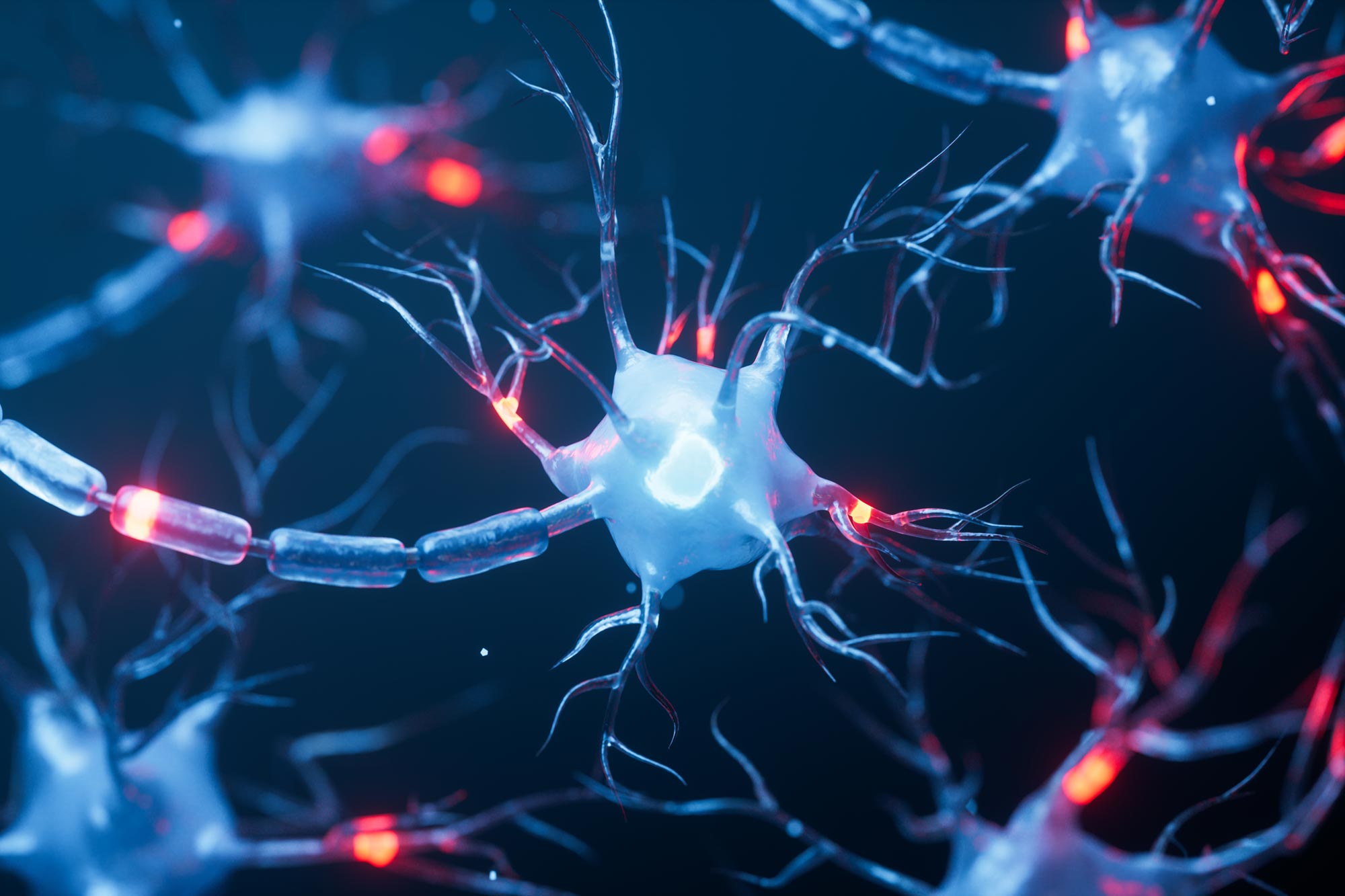
At the very core of neurological health is myelin, a vital player in the communication of the brain’s networks. Picture myelin as the protective insulation surrounding electrical wires—without it, signals would weaken and become chaotic. This insulating layer wraps around the nerve fibers in the brain and spinal cord, facilitating rapid transmission of information.
When myelin is compromised, a host of issues arise. For newborns exposed to low oxygen levels, this can lead to cerebral palsy, while adults may encounter multiple sclerosis, where the immune system mistakenly attacks the myelin. Aging, too, brings challenges, as reduced blood flow can further damage this protective layer, culminating in cognitive disorders such as vascular dementia.
In examining how nature has equipped high-altitude species to maintain myelin integrity despite limited oxygen, researchers discovered a captivating clue. Could understanding this evolutionary adaptation lead us to novel treatment strategies? Let’s unravel this exciting mystery together.
The Retsat Mutation: A Glimmer of Hope
In the quest for answers, scientists turned their focus towards the Retsat mutation found in animals residing on the Tibetan Plateau. These creatures, including yaks and Tibetan antelopes, have developed a unique genetic blueprint to cope with life at elevations reaching 14,700 feet. They exhibit remarkable brain function despite enduring low oxygen conditions for extended periods.
To investigate this further, researchers led by Liang Zhang conducted experiments on newborn mice, simulating the low-oxygen conditions observed at high altitudes. They tested the effects of this mutation on the mice’s learning, memory, and social behavior and found astonishingly positive results. Mice possessing the Retsat mutation not only thrived; they demonstrated more efficient myelin production around their nerve fibers.
This scientific breakthrough elevates the Retsat mutation from mere genetic curiosity to potential therapeutic goldmine. How can we leverage evolution to spark recovery? It all comes back to myelin and the promise of regeneration.
Myelin Regeneration: The Pathway Revealed
The team’s explorations didn’t stop at determining whether the Retsat mutation enhances brain performance. They ventured into the heart of the matter, examining its capacity to repair damaged myelin, chiefly in a model mimicking multiple sclerosis symptoms. In these experiments, mice with the Retsat mutation exhibited faster and more comprehensive myelin regeneration following injury.
But how? The answer lies in a compound derived from vitamin A known as ATDR. Elevated levels of ATDR in the brains of Retsat mutation carriers sparked a cascade of healing effects. This compound activates enzymes that facilitate the conversion of vitamin A to its metabolites, which subsequently foster the growth and maturation of oligodendrocytes—the very cells responsible for myelin production.
When researchers administered ATDR directly to mice experiencing MS-like symptoms, the results were heartening. The afflicted animals displayed milder symptoms and showed significant improvement in motor function. Here is the crux of the matter: instead of resorting to synthetic drugs that often come with a slew of side effects, could we tap into the body’s arsenal of naturally occurring molecules? The implications are profound.
A New Era of Natural Treatments
Zhang succinctly captures the crux of this groundbreaking research: “Our findings suggest that there may be an alternative approach that uses naturally occurring molecules to treat diseases related to myelin damage.” It’s a revelation that beckons optimism—an invitation to reconsider how we alleviate neurological disorders. By amplifying the body’s natural repair processes, we could pave the way for more effective, less invasive treatment avenues.
Such a shift demonstrates profound respect for the intricate workings of our biology. Evolution has bestowed us not only with resilience but also with wisdom. Like the animals that endure the harshest climates, our bodies have subtle mechanisms just waiting to be unleashed in the realm of healing.
The Bigger Picture: Lessons from Nature
So, as we ponder the implications of this research, let’s pull back to marvel at the lessons from nature. Evolution has expertly fashioned a multitude of adaptations across countless species, each finely tuned to thrive in their specific environments. We stand at the precipice of understanding how these adaptations offer more than survival strategies—they may furnish us with solutions to our greatest health challenges.
Consider this your call to action: let’s delve into the world of natural remedies and explore integrative approaches to health and recovery. Stay curious. Seek knowledge. The interconnectedness of all living beings is a profound reminder that we are more alike than we often recognize.
Harnessing these insights involves collaboration among scientists, medical professionals, and the greater community. Together, we can reimagine the future of healthcare, using findings like these to shape policies that prioritize innovative, naturally-driven treatments.
Final Thoughts: Embrace Evolution’s Gifts
As we conclude this exploration of the Retsat mutation and its potential to unlock new treatments for nerve damage, I invite you to reflect on the powerful relationship between humanity and nature. Evolution’s gifts are all around us, waiting to be understood and utilized.
Let this knowledge inspire personal journeys toward health, healing, and discovery. Do not shy away from harnessing the remarkable capacity for recovery that resides within us all. The narrative of perseverance weaves through our existence; just as high-altitude animals have adapted to thrive against the odds, so too can we.
In the ever-evolving landscape of medical science, it’s important to keep an open mind and an adventurous spirit. Each discovery leads us closer to a future where conditions like multiple sclerosis and cerebral palsy can be treated by tapping into the wonders of our own biology. In this great quest, let us nurture hope and stand ready to embrace the evolution of recovery, turning nature’s adaptations into tools for humanity’s upliftment.
Never lose sight of the extraordinary potential that lies within. Whether high in the mountains or deep in the valleys of our own experiences, we are all on a journey toward healing and growth. Let’s keep moving forward, inspired by the extraordinary adaptations of life around us.