Summary of MIT Engineers Creates “Smart Sutures” That Can Deliver Drugs or Sense Inflammation:
MIT engineers have developed “smart” sutures made from animal tissue that can not only hold the tissue in place but also detect inflammation and release drugs. The sutures are coated with hydrogels that can be embedded with sensors, drugs, or cells that release therapeutic molecules. The researchers suggest that these suture materials could benefit patients with Crohn’s disease who require surgery to remove part of the intestine. The sutures could also be adapted for healing wounds or surgical incisions elsewhere in the body. The team is working on further testing and scaling up the manufacturing process for the sutures.
– MIT engineers have developed “smart sutures” that can hold the tissue in place, detect inflammation, and release drugs.
– The sutures are derived from animal tissue and coated with hydrogels that can be embedded with sensors, drugs, or cells.
– They could be handy for patients with Crohn’s disease or those undergoing bowel resection surgery.
– The sutures can sense inflammation, release therapeutic molecules, and retain viable cells.
– The researchers are exploring the possibility of using the sutures in other body parts.
Have you ever wondered how ancient medical practices can inspire groundbreaking innovations in modern medicine? The engineers at MIT have done just that with their latest development: “smart sutures” that can not only hold the tissue in place but also detect inflammation and release drugs. These sutures are derived from animal tissue, similar to the “catgut” sutures used by the ancient Romans.
Catgut sutures, made from purified collagen strands from cows, sheep, or goats, have been used for centuries in various surgeries. They naturally dissolve within about 90 days, making them an ideal choice for many procedures. However, MIT engineers wanted to take this traditional material to the next level by adding advanced functionalities like sensing and drug delivery.
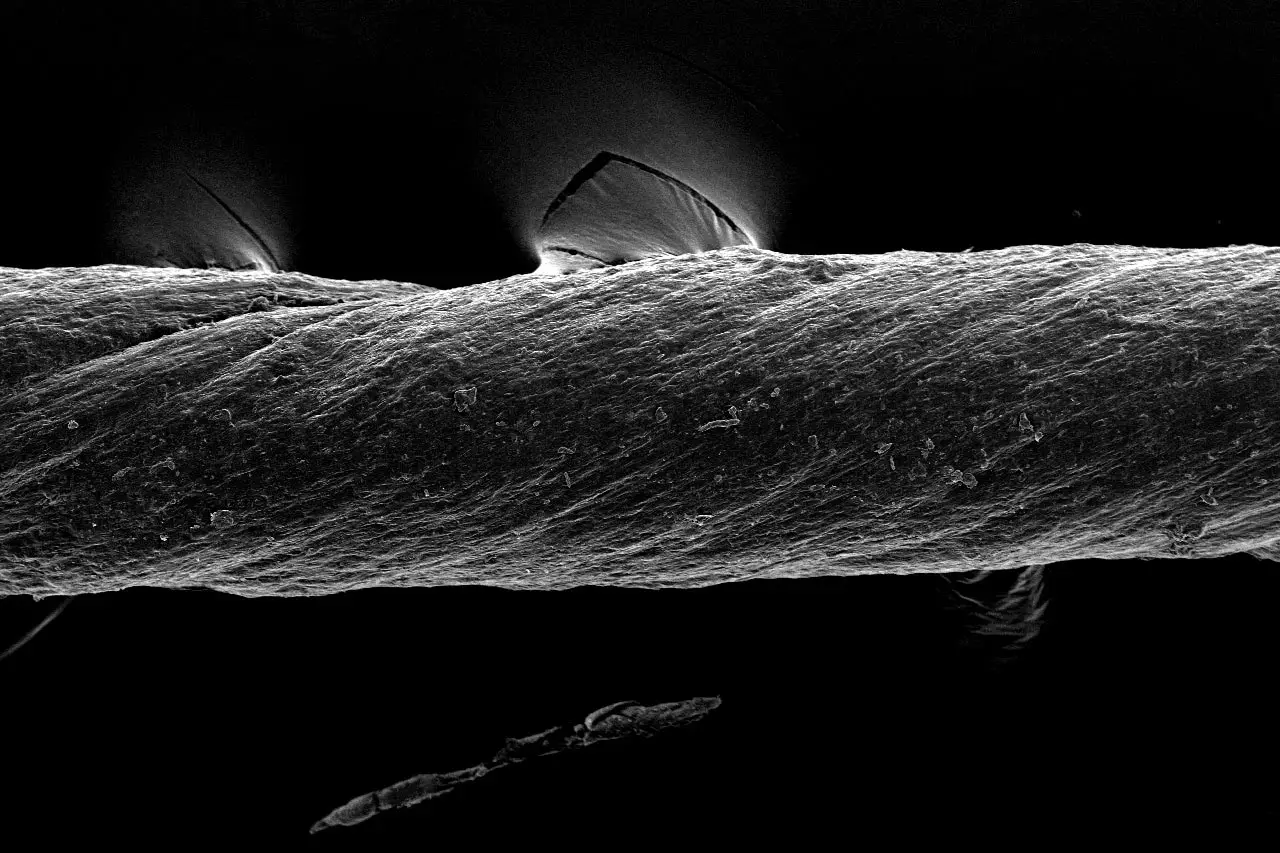
To create these “smart sutures,” the researchers used pig tissue that underwent “decellularization.” This process removes the cellular components of the tissue, leaving behind a cell-free material called “De-gut.” This material contains structural proteins like collagen and other biomolecules found in the extracellular matrix.
After twisting the De-gut material into strands, the researchers evaluated its tensile strength, which measures how much stretching it can withstand before breaking. They found that it was comparable to commercially available catgut sutures but induced less immune response from surrounding tissue.
To enhance the suture material further, the researchers coated it with a layer of hydrogel. This hydrogel can be embedded with various cargos, including microparticles for sensing inflammation, drug molecules for treatment, or even living cells for therapeutic purposes. The possibilities are endless.
The researchers designed microparticles coated with peptides released when inflammation-associated enzymes called MMPs are present in the tissue for sensing inflammation. These peptides can be detected using a simple urine test, providing an early warning sign of inflammation.
The hydrogel coating can also carry drugs such as dexamethasone and adalimumab to treat inflammatory bowel diseases. These drugs are released gradually from the microparticles, ensuring a controlled and sustained delivery. The researchers believe this approach can be adapted to deliver other drugs, including antibiotics or chemotherapy.
But it doesn’t stop there. These smart sutures can even deliver therapeutic cells like stem cells. When the researchers embedded the sutures with stem cells engineered to express a fluorescent marker, they found that the cells remained viable for at least seven days when implanted in mice. These cells could also produce a growth factor that stimulates blood cell growth.
The applications of these intelligent sutures are vast. Patients with Crohn’s disease often require bowel resection surgery and could benefit from these sutures to ensure proper healing and minimize the risk of leaks. They could also be used in other surgeries or wound closures throughout the body.
The MIT team is further testing each application and working on scaling up the manufacturing process for these sutures. They also explore the possibility of utilizing them in other body parts beyond the gastrointestinal tract.
This breakthrough in suture technology showcases the power of combining ancient wisdom with modern innovation. By drawing inspiration from catgut sutures and leveraging advanced materials and techniques, MIT engineers have created a remarkable tool that can significantly improve patient outcomes. With the potential to sense inflammation, release drugs, and deliver therapeutic cells, these smart sutures can revolutionize how we approach healing and recovery.
Imagine a future where surgeries involve stitching up tissue and actively sensing and treating any potential complications. These smart sutures bring us closer to that reality, paving the way for a new era in surgical procedures and patient care. The possibilities are endless, and we can’t wait to see where this innovation takes us next.
