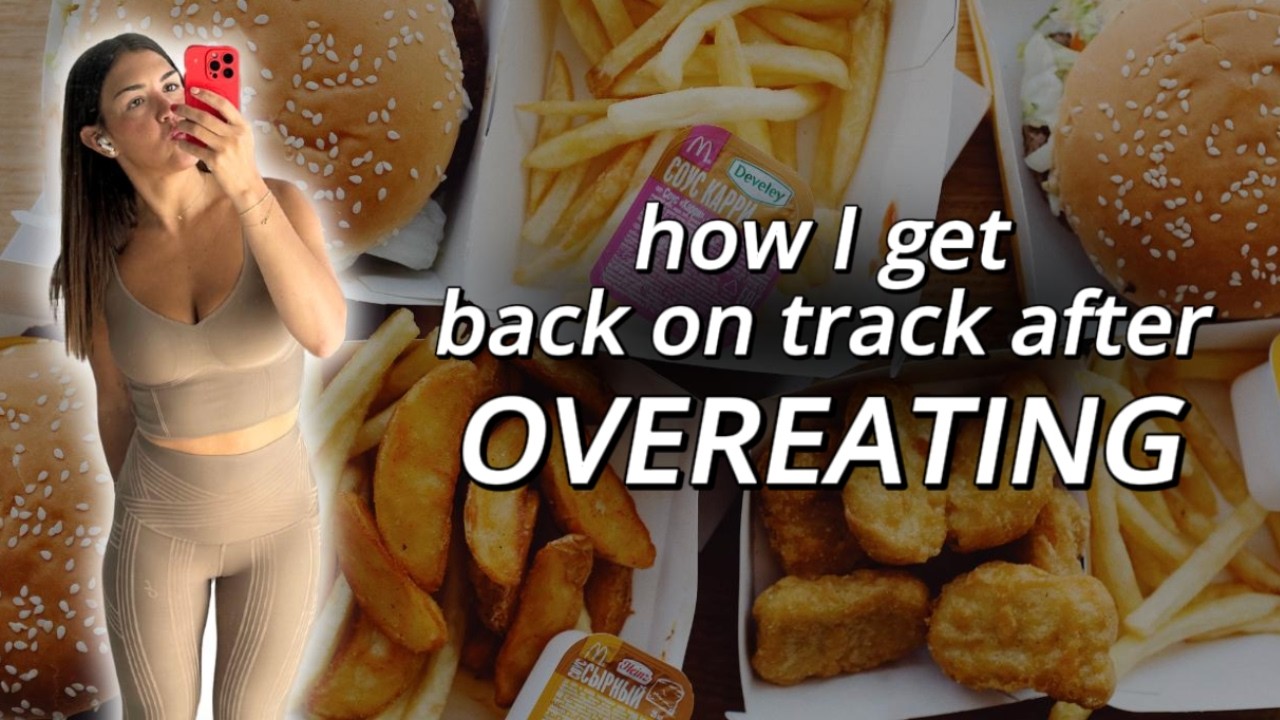
- Understanding the body’s response to overeating
- Importance of hydration post-overeating
- Nutritional strategies for metabolic reset
- Engaging in appropriate physical activity
- Mental and emotional well-being after a binge
Overeating can pose challenges not only to physical health but also to mental well-being. When faced with the effects of consuming more than intended, it is crucial to adopt strategies that support the body’s natural processes. This article explores five strategies to initiate a metabolic reset, allowing the body to regain its balance after episodes of overeating.
Understanding the body’s response to overeating is fundamental. When we consume excessive amounts of food, particularly those rich in carbohydrates, our body experiences a spike in insulin levels. Insulin facilitates the uptake of glucose into cells, converting it into energy or storing it as fat. Frequent overeating can lead to consistently elevated insulin levels, a condition that can diminish insulin sensitivity over time. Poor insulin sensitivity is linked to various metabolic diseases, including type 2 diabetes and obesity. By recognizing how our body reacts, we can make informed decisions to encourage metabolic restoration.
Hydration plays a vital role in the recovery process following a day of overeating. Food, particularly salty or high-carb meals, can lead to water retention, making you feel bloated and uncomfortable. Drinking adequate amounts of water can help alleviate this sensation by promoting renal function, which assists in the elimination of excess sodium. Additionally, staying hydrated aids digestion, enabling the body to process food effectively. Simple steps like sipping on warm lemon water can further stimulate digestion and provide much-needed vitamin C, which is vital for maintaining overall health. Remember that hydration also helps to stave off cravings that can arise when the body is lacking fluids rather than nutrients.
Incorporating nutritional strategies also facilitates a metabolic reset. After a day of indulgence, focus on consuming whole, nutrient-dense foods. Foods high in fiber—such as vegetables, legumes, and whole grains—help regulate blood sugar levels and promote satiety. They are crucial for digestive health and can help reset the gastrointestinal tract after it has been overwhelmed by heavier foods. Including lean proteins in meals can also be beneficial. Proteins require more energy for digestion compared to fats and carbohydrates, which means they can help boost your metabolism temporarily. Incorporating foods like chicken, beans, or tofu into your meals can provide the essential amino acids necessary for recovery.
Physical activity is another cornerstone of a metabolic reset. After overeating, engaging in light to moderate exercise helps mobilize stored glucose for energy. Activities such as walking, yoga, or cycling can improve insulin sensitivity and contribute to better blood sugar regulation. Even small doses of movement promote circulation, which aids in the digestive process. Aim for a balanced mix of cardiovascular activities and strength training to foster muscle health. Building muscle increases metabolic rate, which is crucial for burning off those extra calories consumed during periods of overeating. Make it a habit to incorporate movement into your daily life to prevent future episodes of binge eating.
Finally, attending to mental and emotional well-being after overeating is essential for recovery. Many individuals may feel guilt or shame following an episode of overeating, which can lead to a cycle of unhealthy eating behaviors. Practicing mindfulness techniques, such as meditation or journaling, can help address these feelings constructively. Engage in positive self-talk and remind yourself that eating is a natural human behavior, and balance is achievable. Consider sharing your thoughts with supportive friends or family who understand your journey. Building emotional resilience can be a game-changer in maintaining a healthy relationship with food and preventing mindless eating in the future.
Incorporating these strategies into your life after overeating can create a strong foundation for metabolic health. Understanding how your body responds empowers you to make choices that promote balance and well-being. Hydration, nutrient-dense foods, physical activity, and emotional support collectively contribute to resetting your metabolism and enhancing overall health. Adopting these habits can lead to a more harmonious relationship with food, allowing you to enjoy meals without fear of negative consequences.
Taking these steps ensures that you can approach eating from a perspective of health and balance. By acknowledging your body’s signals, you can create a sustainable way to navigate dietary challenges. Implement start shifts towards healthier habits on your Metabolic Reset Day, paving the way for improved health and vitality.
*****
Source Description
Overeating happens to everyone, and you do not need to punish yourself the next day. In this video I show you the exact five step metabolic reset I use after eating way more than usual. These steps help lower inflammation, reduce water retention, stabilise blood sugar, and get your metabolism back on track without guilt or restriction.
If you wake up feeling puffy, bloated, or frustrated after a big weekend or holiday meal, this reset will help you feel better fast and get back into your normal routine calmly and confidently.
Berberine: https://hckait.com/getsobalanced
Apple cider vinegar: https://hckait.com/acv
⸻
⭐️ Work With Me → https://hckait.com/bloodsugarreset
🤝 Healthy Not Complicated Community → https://hckait.com/broadcastchannel
🎧 Healthy Not Complicated Podcast → https://hckait.com/podcast
Hi, I’m Kait Malthaner (aka Health Coach Kait), a certified health and nutrition coach specializing in blood sugar balance and reversing insulin resistance. I help you simplify health so you can naturally lower blood sugar, A1c, and blood pressure, lose stubborn belly fat, and feel your best again. Getting healthy doesn’t have to be complicated. Small changes lead to big results.
⸻
Recommended Products & Discounts
🩸 At-Home Insulin Resistance Test (Code: KAIT10) → https://hckait.com/getsowell
🧂 Electrolytes (Code: HCK15) → https://hckait.com/sodiielectrolytes
💫 Berberine (Code: KAIT10) → https://hckait.com/getsobalanced
🩷 Inositol (Code: KAIT10) → https://hckait.com/getsosynced
💪 Protein Powder (Code: HCK15) → https://hckait.com/protein
🔥 CKM (Code: KAIT15) → https://hckait.com/ckm
📱 CGM (Code: ULTRAKAIT15) → https://hckait.com/cgm
🍳 Non-toxic, non-stick cookware (Code: KAIT) → https://hckait.com/misen
⸻
Timestamps
0:00 Intro
0:36 I’m not perfect
1:07 Step 1: Don’t beat myself up
1:36 How much do you have to overeat to gain 1 lb?
3:39 Step 2: Eat a high protein breakfast
5:17 Step 3: Get gentle movement
5:54 Step 4: Take berberine or apple cider vinegar
6:53 Step 5: Go to bed early
⸻
Disclaimer:
This video is for informational purposes only and is not a substitute for professional medical advice. Always consult your doctor regarding any medical concerns. Some links are affiliate links, meaning I may earn a small commission at no extra cost to you. I only recommend products I personally use, trust, and love.