- Understanding the Role of Oxidized LDL in Aging
- Dietary Interventions to Lower Oxidized LDL
- The Importance of Insulin Sensitivity in Aging
- Lifestyle Changes that Promote Healthy Cholesterol Levels
- Supplementation and Oxidized LDL Management
Oxidized low-density lipoprotein (LDL) plays a critical role in cardiovascular health and overall aging. Elevated levels of oxidized LDL contribute to plaque formation in arteries, leading to atherosclerosis and cardiovascular diseases. Understanding how to lower oxidized LDL is essential for optimizing health and prolonging life, as high levels correlate with various age-related diseases.
Oxidized LDL is the result of oxidative stress, where free radicals modify the structure of LDL particles. This oxidative modification can trigger inflammatory responses and accelerate cellular aging. By addressing oxidized LDL through effective strategies, individuals can enhance their overall health. It is essential to consider dietary interventions that can directly impact LDL oxidation rates while promoting better metabolic health.
Dietary changes can play a significant role in decreasing oxidized LDL levels. A diet rich in antioxidants is crucial. Foods high in vitamins C and E, such as fruits (like berries and citrus) and vegetables (such as spinach and kale), can help combat oxidative stress. Incorporating nuts like walnuts and almonds, which are rich in healthy fats and antioxidants, can aid in lowering oxidized LDL.
Omega-3 fatty acids are also beneficial in managing oxidized LDL levels. Fatty fish like salmon, mackerel, and sardines provide ample omega-3s. Plant-based sources such as flaxseeds, chia seeds, and walnuts offer alternative options for those preferring non-animal sources. These fatty acids can improve lipid profiles and decrease inflammation, serving as powerful allies against aging-related conditions.
Maintaining insulin sensitivity is another crucial aspect of managing oxidized LDL and aging effectively. Insulin resistance can promote an unhealthy metabolic state that elevates oxidized LDL levels. Consuming a low-glycemic index diet can help maintain stable blood sugar levels, thereby enhancing insulin sensitivity. Foods like whole grains, legumes, and non-starchy vegetables perform well in this regard. These foods promote a gradual release of glucose into the bloodstream, preventing insulin spikes.
Exercise also positively influences insulin sensitivity. Engaging in regular aerobic and resistance training can significantly enhance metabolic health. Aim for at least 150 minutes of moderate-intensity aerobic activity weekly, coupled with strength training on two days. Maintaining an active lifestyle not only promotes vascular health but also helps manage weight, which is crucial for reducing oxidative stress and improving cholesterol levels.
Another significant factor in managing oxidized LDL is weight. Obesity is linked to increased oxidative stress and inflammation. Achieving and maintaining a healthy weight can be beneficial in lowering oxidized LDL levels. Small, sustainable changes to diet and physical activity can yield lasting results in weight management. Consuming smaller, more frequent meals, and prioritizing nutrient-dense foods can contribute to a healthy weight.
Lifestyle changes can enhance the body’s ability to manage oxidized LDL. Quitting smoking, for instance, can reduce oxidative damage and improve overall cardiovascular health. Smoking introduces free radicals, which can oxidize lipoproteins. Limiting alcohol consumption is equally crucial, as excessive intake can lead to insulin resistance and increased oxidative stress.
Moreover, hydration plays an overlooked yet vital role in metabolic health. Adequate water intake helps maintain cellular functions and flush out toxins that could contribute to oxidative stress. Prioritizing hydration through water-rich foods and beverages can improve overall well-being and aid in fighting aging.
Supplementation may also offer pathways to combat oxidized LDL. Certain supplements, such as coenzyme Q10, curcumin, and resveratrol, show potential in reducing oxidative stress and improving lipid profiles. Coenzyme Q10 is known for its role in energy production and antioxidant properties. Curcumin, found in turmeric, offers significant anti-inflammatory and antioxidant benefits. Resveratrol, often hailed for its presence in red wine, has shown promise in promoting cardiovascular health.
Regardless of the chosen dietary or lifestyle changes, monitoring progress through regular health checks can provide invaluable feedback. Blood tests can help track lipid profiles, including oxidized LDL levels. Keeping an eye on these metrics empowers individuals to make informed decisions based on data.
In the pursuit of lowering oxidized LDL and fighting aging, education and awareness play vital roles. Knowledge about how lifestyle choices impact health can motivate individuals to adopt beneficial practices. Connecting with healthcare professionals for personalized advice can further enhance outcomes.
Community involvement is another advantageous avenue for health improvement. Support from family, friends, or community groups can maintain motivation and accountability, leading to more effective lifestyle changes. Participating in health-focused workshops or educational seminars can increase understanding of oxidized LDL and its implications.
Staying informed about scientific advancements in cholesterol management is equally crucial. Research increasingly sheds light on new dietary components, like plant sterols and stanols, which may help reduce LDL levels. Engaging with up-to-date literature enables individuals to adapt their strategies effectively.
Finally, cultivating a positive mindset towards aging can significantly influence health outcomes. Embracing aging as a natural process and focusing on enhancing quality of life can shift perceptions. A positive attitude can have physiological impacts, reducing stress and promoting psychological well-being.
Considering the critical relationship between oxidized LDL, aging, and lifestyle choices underscores the importance of proactive health management. Through informed dietary adjustments, improved insulin sensitivity, and supportive lifestyle changes, individuals can empower themselves to lower oxidized LDL. This multifaceted approach not only combats aging but enhances overall health, longevity, and quality of life. Maintaining an engaged and knowledgeable perspective will contribute to sustained wellness in the long run.
*****
Source Description
To purchase my new book, The Menopause Gut please visit here: https://www.penguinrandomhouse.com/books/777129/the-menopause-gut-by-cynthia-thurlow-np/
Ax3 Supplements: https://www.ax3.life/
Discount Code: CYNTHIA20
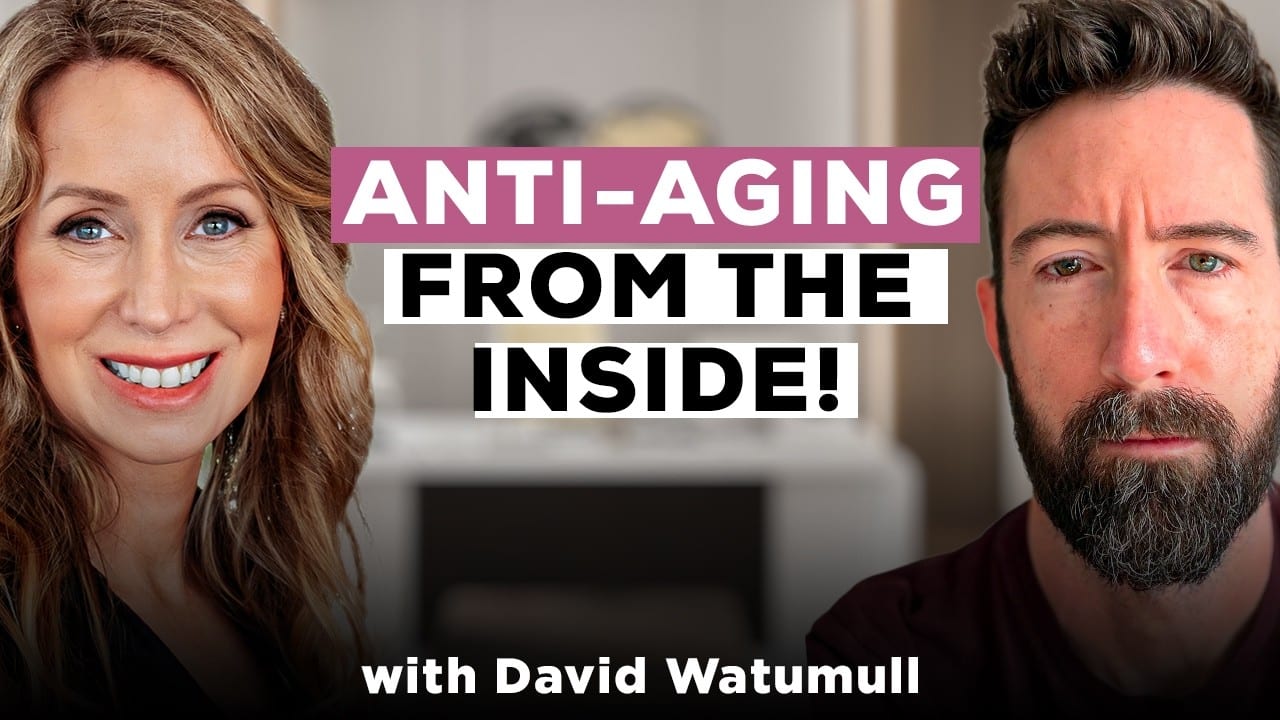
I have the honor of connecting with Dave Watumull, the Co-founder and CEO of AX3 Life, a consumer health company dedicated to astraxanthin products, education, and community. Dave is on a mission to introduce the world to astaxanthin. Astaxanthin is a marine-derived super-nutrient that supports whole-body health and longevity, a pursuit that has inspired Dave for over 25 years of research, development, and commercialization.
In our discussion, Dave explains what astraxanthin is, its functions, and its key properties. We explore specific studies where astraxanthin has been particularly beneficial for lipids, particularly oxidized LDL. We discuss the impact of nutrition and examine the results of astraxanthin research on sarcopenia, cognition, and joints, liver, skin, and eye health. We also cover the dose-dependent effects of astraxanthin, and Dave answers a series of rapid-fire questions.
Astaxanthin is truly a supplement worth considering. I’ll be taking it to see if it helps reduce my Lp(a). My husband and one of my children also have high Lp(a), so we will all try it as a family experiment, and I will share the results.
#CynthiaThurlow #MenopauseGutHealth #GutHealthDuringMenopause #
HormoneBalanceForWomen #PerimenopauseSymptomsRelief #MicrobiomeHealth #GutBrainAxis #WomensHealthOver40 #MenopauseBloatingRelief #GutHealthForWomenOver40 #HealYourGutNaturally #MenopausePodcast #HealthPodcast #AuthorInterview
For more information please visit me here: https://cynthiathurlow.com/
This video is for educational and informational purposes only and solely as a self-help tool for your own use. I am not providing medical, psychological, or nutrition therapy advice. You should not use this information to diagnose or treat any health problems or illnesses without consulting your own medical practitioner. Always seek the advice of your own medical practitioner and/or mental health provider about your specific health situation.
