- The connection between gut health and environmental sustainability.
- The impact of modern diets and lifestyle on gut microbiota.
- Strategies for improving gut health through mindful eating and sustainable practices.
- The role of gut health in managing metabolic diseases and enhancing insulin sensitivity.
- How cultivating a healthier gut can contribute to a more sustainable planet.
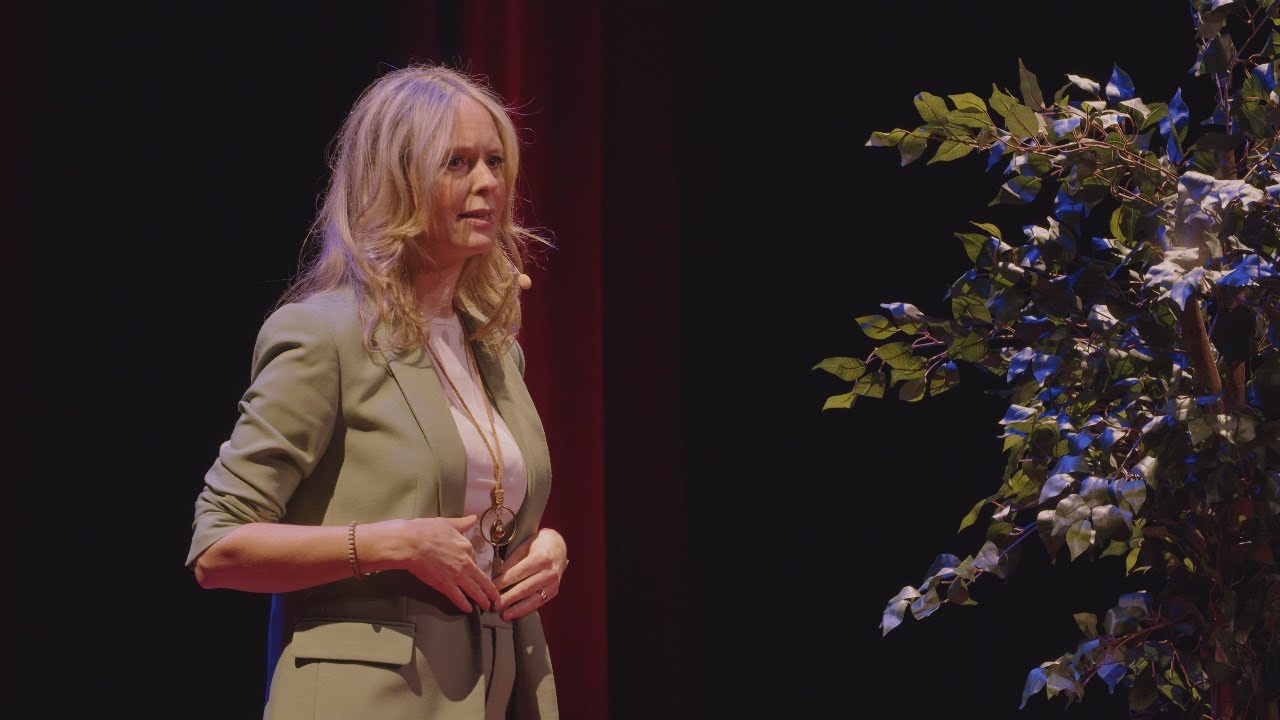
Understanding the link between gut health and environmental sustainability is crucial in today’s society. Gut health, often overlooked, plays a vital role in not only personal well-being but also in the planet’s ecological balance. Cara Wheatley-McGrain’s presentation at TEDxBrighton delves into this fascinating connection. It offers insights into how nurturing your gut can have far-reaching implications, from enhancing individual health to supporting global environmental efforts.
Gut health is central to many bodily functions, and it’s significantly influenced by our dietary choices and lifestyle. Modern diets, often high in processed foods and sugar, have a negative impact on gut microbiota. These tiny microorganisms are critical for digestion and overall health. Wheatley-McGrain emphasizes that a diet rich in diverse, fiber-rich foods supports a balanced gut microbiome. This balance not only benefits digestion but also aids in nutrient absorption and boosts immunity.
The Western diet, often laden with processed foods, lacks the diversity necessary for a healthy gut environment. This lack of diversity can lead to dysbiosis, an imbalance of gut bacteria linked to numerous health issues, including obesity, diabetes, and inflammatory diseases. Shifting focus to a plant-based diet, which promotes diverse bacterial growth, is key. Consuming whole foods such as fruits, vegetables, legumes, and whole grains can significantly enhance your gut health and, subsequently, your overall health.
Metabolic diseases like diabetes are closely linked to gut health. Poor dietary habits and sedentary lifestyles contribute to insulin resistance, a hallmark of metabolic disease. By improving gut health, we can enhance insulin sensitivity, potentially reversing insulin resistance. This improvement is largely due to the role specific gut bacteria play in regulating glucose and lipid metabolism. Incorporating foods rich in probiotics, such as yogurt and fermented foods, can support beneficial gut bacteria, enhancing metabolic health.
Mindful eating and sustainable practices can substantially impact gut health. By reducing meat consumption and focusing on sustainable sources of food, individuals can contribute to ecological balance. Industrial farming practices not only degrade land but also reduce the biodiversity essential for a balanced ecosystem. Choosing locally-sourced, organic foods reduces the carbon footprint and supports sustainable agricultural practices, which in turn nurture a healthy microbiome.
Transitioning to sustainable eating habits also means embracing food waste reduction by planning meals carefully and using leftovers creatively. This approach conserves resources and reduces environmental strain while promoting gut health by incorporating a variety of nutrient-rich foods. Educational initiatives and community programs can play a significant role in raising awareness about sustainable eating and its benefits to gut health.
The connection between gut health and emotional well-being is another crucial aspect. The gut-brain axis involves a bidirectional communication system between the gut and the brain. A well-balanced gut microbiome can produce neurotransmitters like serotonin, influencing mood and emotional health. By prioritizing gut health, we foster both physical and emotional resilience, which are key to managing stress in an ever-changing world.
The broader impact of gut health on planetary health is significant. Healthy, biodiverse soil is essential for sustainable agriculture, and the health of soil is mirrored in the gut. The decline in soil health due to industrial agriculture parallels the decline in human gut health. Regenerative agricultural practices that prioritize soil health, such as crop rotation and reduced pesticide use, support both personal and environmental health.
Wheatley-McGrain’s message underscores the power of individual choices in shaping global outcomes. Emphasizing gut health as a cornerstone of both personal and environmental wellness can drive meaningful change. Encouraging local food production, supporting urban agriculture initiatives, and participating in community gardens are actions individuals can take to support sustainable practices and enhance their microbiome.
The message is clear: loving your gut extends beyond personal health. It is a call to action for environmental stewardship. Each mindful choice contributes to a larger collective effort towards sustainability. Engaging actively with these practices encourages us to think critically about our impacts on the planet and empowers us to make choices that promote health for ourselves and the environment.
Understanding these connections enriches our appreciation for the profound impact of simple, mindful changes. By embracing these insights, we harness the potential to improve health outcomes while actively participating in the preservation of our planet. Supporting gut health is not just about individual benefits; it is a crucial step towards a sustainable future, reflecting the interplay between personal actions and global wellbeing.
*****
Source Description
NOTE FROM TED: Please do not look to this talk for medical advice. This talk only represents the speaker’s personal views and understanding of diet, health, and healing, which some viewers may find stigmatizing. We’ve flagged this talk because it falls outside the content guidelines TED gives TEDx organizers. TEDx events are independently organized by volunteers. The guidelines we give TEDx organizers are described in more detail here: http://storage.ted.com/tedx/manuals/tedx_content_guidelines.pdf
In this deeply personal and eye-opening talk, Cara explores how loving your gut could help save the planet.
As a teenager, Cara came close to losing her colon. What followed was a long and determined journey back to health — one that led her deep into the science of the gut, the food we eat, and the ecosystems we so often take for granted.
Blending medical insight with environmental awareness, she shares how the microbes in our bellies connect to the soil beneath our feet, and how healing ourselves can go hand-in-hand with healing the Earth.
Cara’s story is one of resilience, curiosity and radical reconnection — to body, to land, and to the bigger picture. This is a talk about guts, but it’s really about the courage to care, inside and out. Founder, food rebel, and bestselling author on a mission to save the human microbiome! This talk was given at a TEDx event using the TED conference format but independently organized by a local community. Learn more at https://www.ted.com/tedx