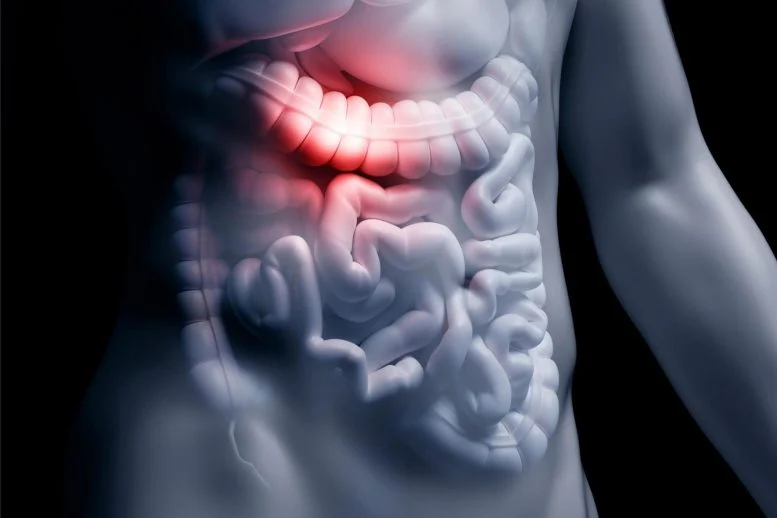
Summary of This Common Gut-Bacteria Compound May Be Linked to Alzheimer’s Disease:
A recent study from researchers at the University of Wisconsin–Madison has identified a gut-derived compound called imidazole propionate (ImP) that is linked to Alzheimer’s disease. Higher levels of ImP in the blood are associated with increased Alzheimer’s risk and quicker cognitive decline in individuals with dementia. This research builds on previous findings showing different gut microbiome compositions in Alzheimer’s patients compared to healthy individuals. ImP, produced by certain gut bacteria, appears to contribute to brain changes associated with Alzheimer’s by promoting the accumulation of harmful proteins. The study also highlights a genetic variant affecting ImP levels and poses the potential for targeting ImP as a treatment to reduce Alzheimer’s risk. However, dietary modifications may not easily reduce ImP levels due to the necessity of histidine, the amino acid from which it is derived, being prevalent in many protein-rich foods. The findings suggest that developing a medication to decrease ImP levels might reduce the risks associated with Alzheimer’s.
*****
Summary Bullet Points
- Imidazole propionate (ImP), a compound produced by gut bacteria, may be linked to the progression of Alzheimer’s disease.
- Higher levels of ImP are associated with increased risk of dementia and faster cognitive decline in individuals.
- Research indicates that gut microbiome variations can influence brain health and cognitive function.
- Genetic factors appear to influence the levels of ImP in the bloodstream, potentially providing a target for future therapies.
- The findings raise questions about dietary influences on ImP levels and underscore the complexity of gut-brain interactions.
The human body is a remarkable, interconnected system, where an invisible community of microbes—our gut bacteria—plays an unexpected role in our health. One recent study has made waves by unveiling some fascinating insights into how a common compound produced by these gut bacteria, known as imidazole propionate (ImP), might be linked to Alzheimer’s disease and cognitive decline. The implications are profound, not just for those concerned about dementia but for anyone interested in maintaining their cognitive health as they age.
The study, led by researchers at the University of Wisconsin–Madison, is part of a growing body of work that explores the gut-brain axis, a term describing the two-way communication network connecting the gut and the brain. It’s not just about what we eat but how our diet influences our mental well-being and vice versa. The findings suggest that the composition of our gut microbiota could serve as a window into our brain health.
The Journey of Imidazole Propionate
Understanding the journey of ImP offers a glimpse into the intricate workings of our biology. Produced when gut bacteria ferment histidine, an amino acid prevalent in protein-rich foods, ImP can travel from the intestines into the bloodstream before reaching the brain. Researchers are intrigued by how even small amounts of certain gut bacteria can have a significant impact on our health. Even if specific bacteria responsible for producing ImP aren’t particularly abundant, their effects might extend far beyond their numbers.
What happens next is critical. When ImP reaches the brain, it is thought to contribute to the accumulation of two abnormal proteins typically associated with Alzheimer’s disease: beta-amyloid and tau. These proteins are notorious for their roles in neurodegeneration, marking the slow progression of cognitive decline and Alzheimer’s disease. In fact, studies on mice have indicated that elevated ImP levels may lead to more extensive neuronal injury, laying the groundwork for devastating conditions characterized by memory loss and impaired cognition.
The Significance of Cognitive Decline Tracking
Research reveals a captivating link between higher ImP levels and faster cognitive decline. In a comprehensive study involving nearly 1,200 participants, the correlation was striking: those with elevated ImP concentrations tended to exhibit markers associated with dementia-related protein abnormalities and neuronal dysfunction. This discovery provides an opportunity for early intervention strategies that could be pivotal in altering the trajectory of brain health in individuals at risk.
Think about it for a moment: your cognitive health isn’t a static attribute but a dynamic process influenced by numerous factors, including the unseen battalion of bacteria residing within you. This interplay underscores the importance of being proactive about our gut health—not just to improve digestion but potentially to safeguard our cognitive future.
Genetic Insights into Gut Function
Adding another layer of complexity, the research identified a specific genetic variant found in approximately 43% of participants that seemed to be associated with notably higher blood levels of ImP. This genetic variation appears to affect how efficiently the kidneys filter ImP from the bloodstream, allowing it to accumulate.
To put it simply, this means our genetics can influence the extent to which ImP impacts us. If we consider the broad implications, it becomes clear that understanding our genetic predispositions might offer insights into tailor-made strategies for reducing Alzheimer’s risk—a genuine sign of personalized medicine in action.
Dietary Considerations and Future Interventions
Now, the million-dollar question is about dietary strategies to manage ImP levels. While it might be appealing to think that simply cutting out eggs or red meat could magically lower ImP and boost brain health, the situation is far more complex. Given that histidine is essential for our well-being and found in multiple, widely consumed foods, the concept of making sweeping dietary changes isn’t as straightforward.
Yet, the bit of good news here is that improving overall diet quality tends to yield numerous health benefits, likely contributing to enhanced gut microbiome health. A diet rich in fruits, vegetables, whole grains, and healthy fats is beneficial—not just for the gut but also for brain function.
A potential future might involve developing targeted therapies that lower ImP levels in the blood. Just as individuals with elevated cholesterol levels can take statins to reduce heart disease risks, those with high ImP levels could have a similar pathway available to them. This exciting prospect opens doors to research avenues focusing on inhibitors that could effectively reduce ImP concentration and, by extension, diminish Alzheimer’s disease risk and cognitive decline.
The Broader Implications
As we slowly begin to comprehend the dynamic relationship between our gut health and cognitive resilience, it becomes evident how essential it is to foster a proactive mental and physical health culture. Improving our understanding of the gut microbiota’s complexities, alongside significant genetic interactions, may hold keys to unlocking innovative treatment modalities that could bridge the gap between preventive measures and therapeutic strategies.
Ultimately, the arena of gut health is a rich tapestry that extends far beyond simple digestion. Researchers are uncovering a world where our choices, genetic dispositions, and microbial activities converge to shape our destinies. This notion empowers us as individuals, realizing that we can take constructive steps to bolster our well-being, not just in our immediate realities but for the years ahead.
Moving Forward with Awareness
As we contemplate our health narratives, let this research inspire a renewed consciousness about our diets and lifestyles. The fact that tiny bacteria can wield such power over our cognitive health is astonishing, reminding us that health is holistic. Every meal, every choice, every habit contributes to this vast narrative filled with potential.
Let’s prioritize nourishing our bodies with diverse, wholesome foods that support our microbiomes. Let’s foster environments—be they physical places or mental mindsets—that promote well-being. In doing so, we are not just optimizing our physical health; we are charting paths towards vibrant, resilient minds equipped to meet the adventures that life presents.
In those quiet moments while enjoying a wholesome meal, remember that your health journey is a collaborative dance between the visible and the microscopic. You possess the power to nurture the vibrant world within you and, as a result, befriend a brighter cognitive future. So, embark on this journey with curiosity, openness, and a quest for knowledge. Your mind, along with your gut, will thank you for it.
