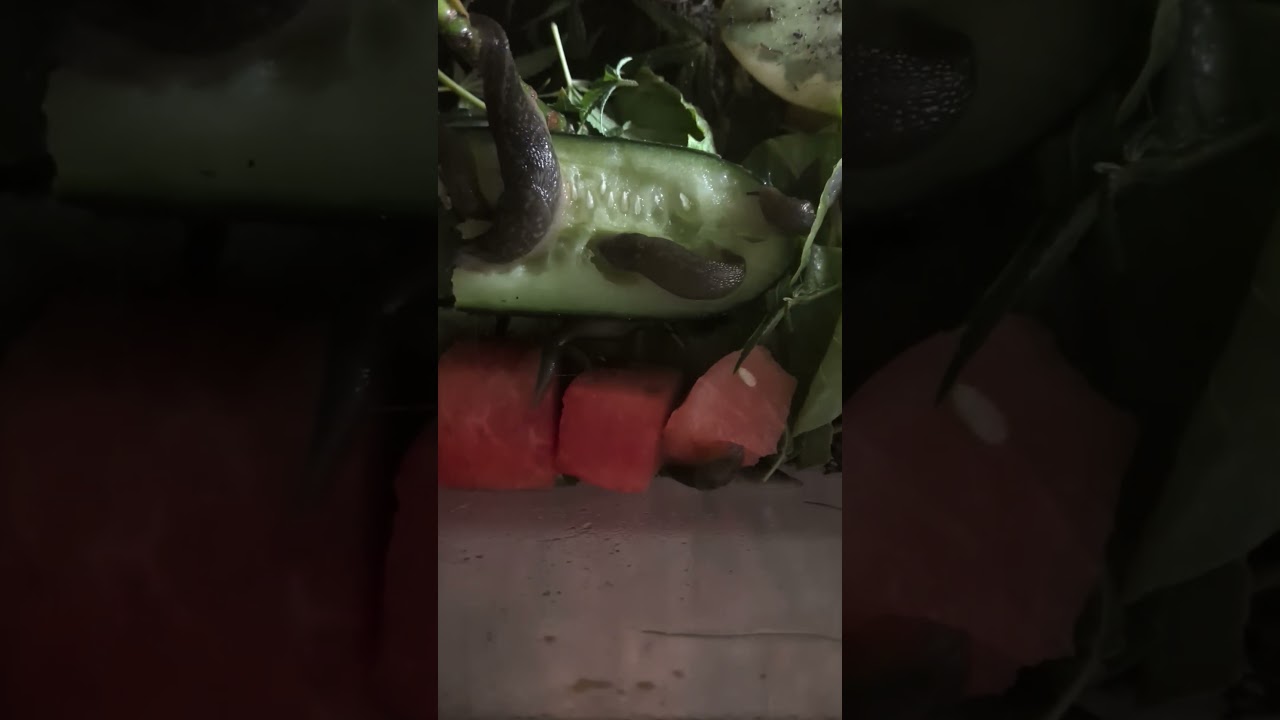
- The role of slugs in the microbiome and ecosystem health
- Dietary preferences and nutritional needs of slugs
- Impact of metabolic diseases on slug populations
- Importance of slugs for environmental sustainability
- Techniques for creating a thriving terrarium habitat for slugs
Slugs are fascinating creatures with roles that significantly enhance ecosystem health. These mollusks possess a dynamic relationship with their environment, particularly through the interaction with microbial communities. This balance contributes to soil health and overall biodiversity. Understanding the role of slugs in the microbiome highlights the intrinsic value of these often-overlooked organisms.
Slugs contribute to the microbiome in several ways, influencing nutrient cycling and soil formation. Their diet primarily consists of decomposing organic matter, including leaves and dead plants. This detritivorous behavior aids in breaking down complex organic substances, enriching the soil with essential nutrients. As slugs digest plant matter, they foster microbial growth. Bacteria and fungi thrive in their droppings, creating a fertile environment conducive to diverse flora. This interaction illustrates how slugs help maintain ecosystem balance by promoting healthy soil microbiomes.
The nutritional requirements of slugs draw attention to their dietary habits. These creatures typically consume various plants, preferring soft-bodied foliage and decaying organic matter. They have a radula, a tooth-like structure, that allows them to scrape food surfaces efficiently. This feeding method enables slugs to extract vital nutrients, contributing to their energy needs. Essential minerals such as calcium are also integral for their shell formation and structural health. Insufficient calcium intake can lead to weakened shells, impacting their overall fitness and survivability.
Slugs are not immune to metabolic diseases; these conditions can severely affect their population dynamics and health. Environmental stressors such as climate change, habitat degradation, and pollution contribute to these issues. Metabolic disorders can disrupt feeding patterns, growth rates, and reproductive success. Understanding these effects highlights the importance of living organisms in maintaining balance within ecosystems. Monitoring slug populations can serve as an early indicator of environmental health, providing critical data on ecosystem changes.
The significance of slugs extends to their contributions to environmental sustainability. As decomposers, slugs play a key role in nutrient cycling. Their consumption of decaying material accelerates decomposition rates, which can enhance soil fertility. Healthy soils are vital for plant growth, ultimately supporting diverse wildlife. Additionally, slugs serve as a food source for various predators, including birds and amphibians. This predatory relationship underscores their position in food webs, illustrating the interconnectedness of ecosystem components.
Creating a terrarium that supports slug health involves attention to environmental conditions and simple design elements. A successful terrarium must provide humidity, adequate shelter, and a balanced diet. A substrate that retains moisture will help maintain humidity levels, while providing hiding spots—such as rocks or plants—can offer slugs protection from potential threats. Choosing suitable plant species as food sources ensures a steady supply of nutrition.
In summary, slugs hold a key position in ecosystems through their roles as decomposers and contributors to soil health. Their dietary habits reflect their adaptations and necessities for survival. Additionally, the impact of metabolic diseases on slug populations necessitates awareness of environmental conditions affecting their vitality. Recognizing the value of slugs enhances our understanding of ecosystem dynamics. As stewards of the environment, creating suitable habitats like terrariums can foster their well-being while providing insight into the broader ecological picture.
Creating engaging environments not only benefits the slugs themselves but also assists in maintaining the dynamics necessary for a thriving ecosystem. The integration of slugs into terrariums can offer educational opportunities about biodiversity and the importance of conservation efforts. Through careful attention to their needs and interactions, a greater appreciation for these unique organisms can be cultivated, fostering deeper environmental stewardship. In doing so, we contribute to the preservation of ecosystems that serve both slugs and their surrounding communities.
*****
Source Description