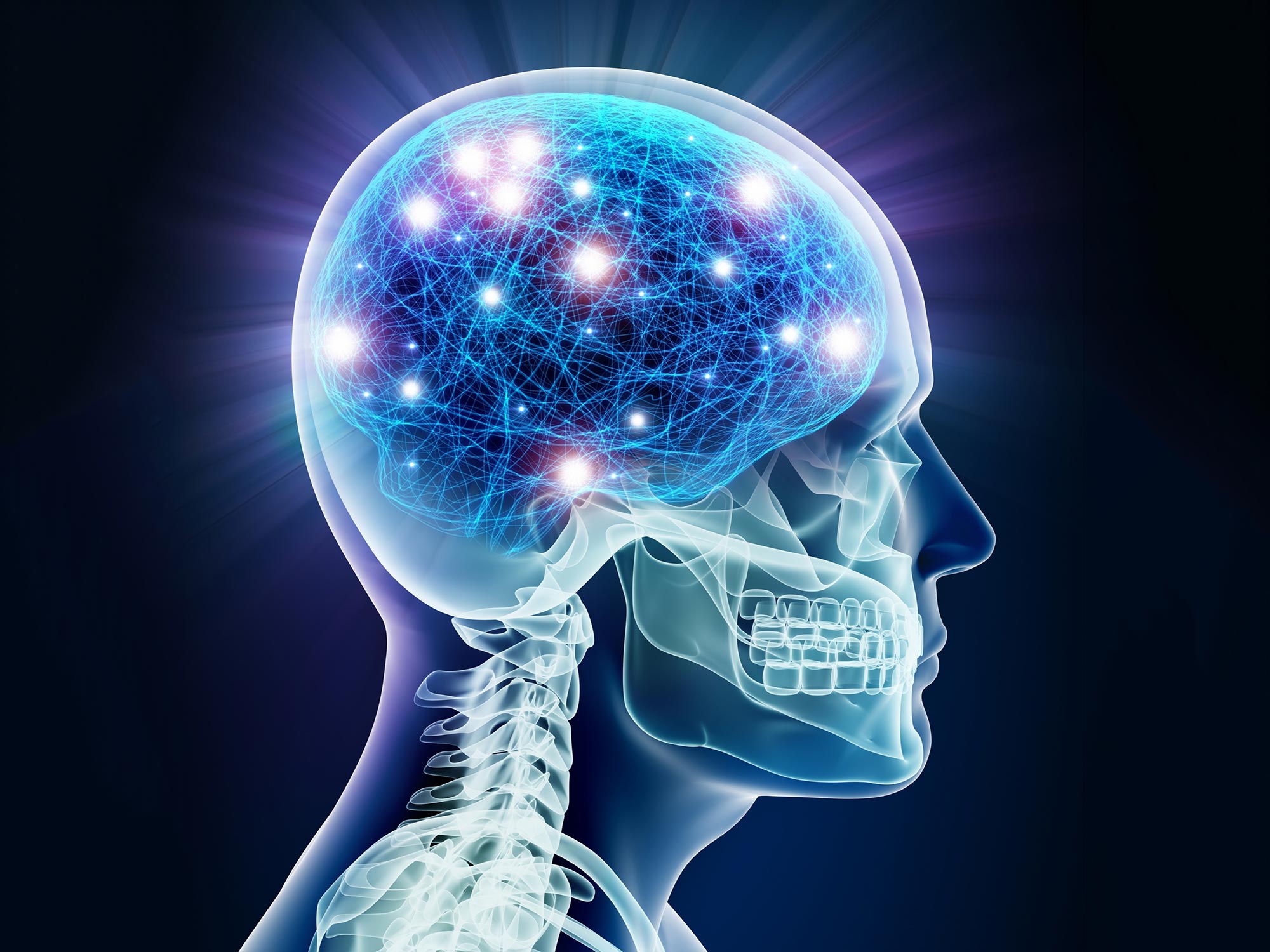
Summary of Scientists Identify Key Protein That Could Reverse Brain Aging:
Researchers at the Yong Loo Lin School of Medicine, National University of Singapore, have identified a protein named DMTF1 that aids aging brains in regenerating neural stem cells, crucial for learning and memory. This discovery highlights how age-related molecular changes hinder the brain’s regenerative capacities and could lead to new avenues for combating cognitive decline. DMTF1 activates gene regulation that supports stem cell function; increasing its expression may provide therapeutic strategies against age-related neurological issues. The study emphasizes the potential for future research to explore DMTF1 as a target for enhancing cognitive health in aging populations.
*****
Summary of Main Topics
- A key protein, DMTF1, has been identified as crucial for maintaining neural stem cell regeneration in aging brains.
- DMTF1 plays a significant role in regulating gene activity that supports the health of neural stem cells.
- Research shows that reactivating DMTF1 could reverse age-related declines in brain function associated with learning and memory.
- The study’s implications may lead to new therapies aimed at cognitive health by enhancing DMTF1 expression.
- Understanding how aging affects neural stem cell behavior could pave the way for breakthroughs in treating age-related cognitive decline.
Scientists Identify Key Protein That Could Reverse Brain Aging
Imagine a world where the cognitive decline often associated with aging could be reversed. A team of researchers at the Yong Loo Lin School of Medicine, National University of Singapore, has recently made a remarkable discovery that could be a game-changer in our understanding of brain aging. This research focuses on a protein known as DMTF1, which has shown the potential to revive neural stem cell regeneration. But what does this mean for you and me? Let’s dive into this fascinating subject and unpack the layers of this discovery.
The Aging Brain: A Mysterious Decline
As we age, our brains undergo significant changes. Neural stem cells, the building blocks for new nerve cells, diminish in their ability to regenerate, which can lead to a decline in cognitive function. Think of neural stem cells as the youthfulness of the brain, responsible for nurturing new growth. However, with age, they seem to surrender.
This decline often correlates with memory loss and decreased cognitive abilities, posing a challenge not just for the elderly, but for society as a whole. Understanding the mechanisms behind this decline is crucial. The exciting part? Researchers are getting closer to identifying pathways that could help us hold onto our mental agility for longer.
Meet DMTF1: The Unsung Hero
The spotlight of this research is on DMTF1, a transcription factor that acts as a molecular switch. Transcription factors like DMTF1 regulate when specific genes are turned on or off, essentially controlling cellular behavior. The team at NUS Medicine found that DMTF1 plays a pivotal role in sustaining neural stem cell activity throughout the aging process.
What makes this finding so compelling is DMTF1’s intimate connection with the aging process of neural stem cells. By studying cells derived from humans and laboratory models that mimic premature aging, scientists have begun to map out how DMTF1 interacts with the genome and influences gene activity.
A Journey into the Science
To fully appreciate the significance of DMTF1, let’s peek behind the scientific curtain. The NUS researchers conducted in-depth analyses to see how DMTF1 behaved in neural stem cells with damaged telomeres. Telomeres serve as the protective caps on chromosomes, shielding them from deterioration. With every cell division, these telomeres shorten, and when they become critically short, cellular aging kicks in.
In their experiments, the researchers discovered reduced levels of DMTF1 in “aged” neural stem cells. The revelation? Reactivating DMTF1 was enough to restore the regenerative capabilities of these cells. This promising finding paves a pathway for potential therapies that could enhance DMTF1’s expression in aging brains.
The Road to Cognitive Health
The implications of this research extend far beyond laboratory settings. As Assistant Professor Ong Sek Tong Derrick noted, impaired neural stem cell regeneration has long been linked to neurological aging. Understanding DMTF1’s role could provide us with the tools needed to combat age-related cognitive decline.
Imagine enhancing your brain’s ability to form new connections and memories even as you age. Yes, you read that right! The study indicates that approaches to enhance DMTF1 expression may offer therapeutic potentials not just for regeneration but also for maintaining cognitive health.
While the dawn of such revolutionary treatments is still on the horizon, the future looks promising. The idea of developing small molecules that could boost DMTF1 levels might one day help preserve our mental faculties long into our golden years.
Embarking on the Journey Together
What does this exciting discovery teach us about our own lives? Firstly, it reinforces the notion that understanding the complexity of our biology can lead us to significant advancements in health. As we navigate through life, it’s essential to embrace knowledge—both about ourselves and the world around us.
Consider how this research intersects with your personal journey. Every day is an opportunity for growth. Much like how DMTF1 supports neural regeneration, you too have the potential to revitalize your life. Here are a few ways to harness that potential:
-
Embrace Continuous Learning: Just as neural stem cells require stimulation to thrive, we too need mental exercise. Dive into a new book, learn a language, or explore a new hobby. You might be surprised by how invigorating it can be!
-
Nurture Relationships: Interacting with others can stimulate your brain, providing rich contexts for memory and learning. Don’t underestimate the power of a good conversation; it can offer fresh insights and rekindle your mental vigor.
-
Prioritize Your Health: Physical health is closely tied to cognitive function. Regular exercise, a balanced diet, and adequate sleep can support mental clarity and cognitive resilience as you age.
-
Practice Mindfulness and Stress Management: Just as biological factors can influence brain health, so can emotional and mental states. Techniques like mindfulness, meditation, or yoga can enhance your cognitive function and overall well-being.
- Stay Curious: Similar to how scientists are relentlessly exploring the functions of DMTF1, maintaining a curious perspective on life can open new doors. Be inquisitive and ask questions; you never know what breakthroughs you might discover about life—and yourself.
The Bigger Picture
In essence, scientific discoveries like the role of DMTF1 in neural stem cell regeneration provide a microcosm of a larger narrative about aging and resilience. The more we understand the biological intricacies of aging, the better equipped we become to navigate our journey through life.
Moreover, the quest for answers in scientific laboratories serves as a metaphor for our own lives. Just like researchers persistently pursue knowledge, we too can choose to engage with our passions and dreams. The quest may sometimes feel daunting; confusion, missteps, and hurdles will present themselves. But by adopting a mindset brimming with curiosity, we can transform challenges into opportunities for growth.
Embracing the Future
As the research progresses, we stand on the threshold of a new era where the mechanisms of aging may soon be within our grasp. While DMTF1 represents one piece of a much larger puzzle, the excitement surrounding its implications is palpable.
So, let us approach aging not with fear but with fascination. The insights gleaned from studies like these can empower us to feel optimistic about future advancements in neuroscience, potentially leading to meaningful changes in how we approach cognitive health.
As you reflect on the latest findings about DMTF1, consider how you, too, can be the DMTF1 of your own life—initiating growth, supporting resilience, and unlocking the potential within. The journey ahead may be challenging yet immensely rewarding, paving the way for a future glimmering with possibility.
In the words of famed author Viktor Frankl, “When we are no longer able to change a situation, we are challenged to change ourselves.” Embrace that challenge! Dive into your own experience of self-improvement, and who knows what heights you may reach. The key to thriving lies not just in what we learn but also in how we apply that knowledge to enrich our lives and elevate those around us.
Conclusion
The fascinating interplay between DMTF1 and neural stem cells speaks volumes about the intricacies of aging and regeneration. Armed with newfound knowledge and motivation, we can choose to forge a path that not only embraces cognitive aging but actively conquers it. The allure of lifelong learning, nurturing relationships, and seizing opportunities encapsulates the essence of thriving as we age, urging us to rise above the ordinary and redefine what is possible. Let this scientific leap inspire you toward a life brimming with growth—both in the mind and spirit. The future awaits; let’s embrace it wholeheartedly.
