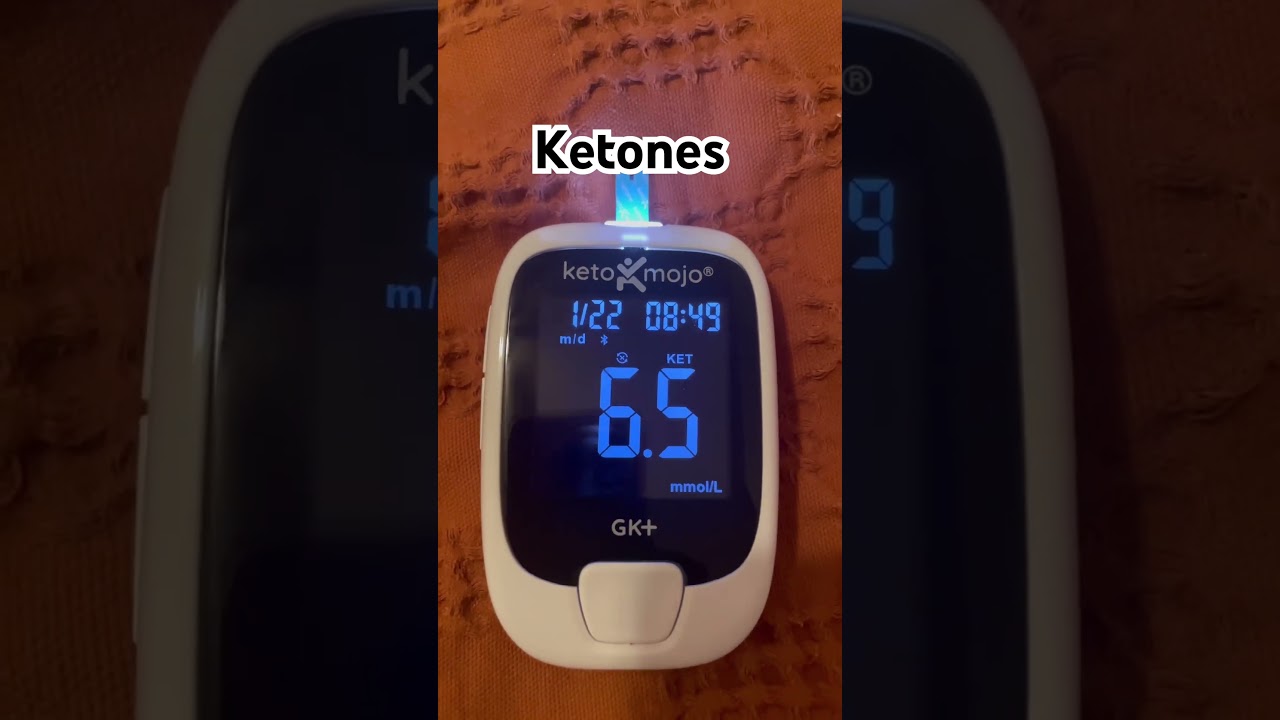
- The physiological changes in glucose and ketone levels during a 36-hour dry fast
- The impact of fasting on insulin sensitivity and metabolic health
- The potential benefits and risks associated with extended fasting
- The role of ketones and glucose in energy metabolism
- Practical considerations for those interested in dry fasting
Dry fasting, the restriction of both food and liquid intake for extended periods, offers various metabolic changes worthy of exploration. A 36-hour dry fast initiates significant shifts in both glucose and ketone levels in the human body. Understanding these changes is crucial for individuals interested in weight loss, health optimization, and metabolic health.
During the first few hours of a dry fast, the body primarily relies on glucose for energy. Initially sourced from glycogen stores in the liver and muscles, glucose is the primary fuel for metabolic activities. Typically, glycogen reserves can sustain energy needs for about 24 hours, but this duration can vary based on individual factors such as activity level and prior dietary habits. Once glycogen stores begin to deplete, typically around the 12- to 24-hour mark, the body transitions into a state of ketosis.
As glycogen is utilized, insulin levels drop. Low insulin levels facilitate lipolysis, the breakdown of fat stores into free fatty acids. These free fatty acids can then be converted into ketones, an alternative energy source produced mainly by the liver. Ketones become the dominant energy substrate by the time the 36-hour fast is completed. Studies show that individuals may experience elevated ketone levels during prolonged fasting, often exceeding 2-3 mmol/L after 36 hours. The presence of ketones in the bloodstream correlates with enhanced fat oxidation and a reduction in reliance on glucose.
Simultaneously, glucose levels often decline during this fasting period as the body uses its glycogen stores. Normal glucose levels in adults range from 70 to 100 mg/dL in a fasting state. After 36 hours without food or drink, individuals may exhibit lower glucose levels, often around 60 to 80 mg/dL, contingent on metabolic health and initial glycogen stores. This reduction in glucose levels signals the liver to produce glucose through gluconeogenesis, the synthesis of glucose from non-carbohydrate sources, mainly amino acids and glycerol.
The relationship between fasting, insulin sensitivity, and metabolic health warrants further examination. Research indicates that intermittent fasting can improve insulin sensitivity, reduce blood pressure, and lower the risk of type 2 diabetes. When blood glucose levels decrease, insulin sensitivity tends to increase, facilitating a healthier metabolic state. This can also lead to improved cellular function, enhanced fat adaptability, and potentially lower inflammation levels.
It is essential to recognize the benefits and risks of extended fasting. On the positive side, prolonged fasting can promote weight loss and fat reduction by initiating lipolysis and shifting the body into fat-burning mode. Some individuals report enhanced mental clarity and improved mood during a fast, likely due to stable energy levels from ketones and improved neurochemical processes.
However, risks associated with extended fasting cannot be overlooked. Individuals with specific medical conditions, such as diabetes, should consult healthcare providers before attempting prolonged fasting due to the risk of hypoglycemia. Moreover, electrolyte imbalance may occur in extended dry fasts, leading to unwanted side effects such as dizziness or muscle cramps. These considerations are crucial when contemplating a 36-hour dry fast.
An understanding of ketones and glucose levels is fundamental if one plans to adopt a fasting regimen. Ketones provide a reliable energy source when glucose availability declines. As metabolism shifts during fasting, individuals can experience measurable changes in physical and mental performance. Importantly, the increase in ketones is also associated with reduced appetite, assisting those seeking weight loss or appetite regulation.
Practical considerations for engaging in a 36-hour dry fast include hydration levels prior to fasting. Properly hydrating before the fasting period can boost the body’s performance during the fast. Individuals might also consider their activity levels. Engaging in moderate activities instead of intense workouts during a dry fast can help manage fatigue and support metabolic balance while fasted.
Maintaining a well-balanced diet, particularly prior to fasting, can help ensure glycogen stores are adequately filled. Diets rich in healthful fats, proteins, and carbohydrates can aid this process. Strategies including gradually working up to longer fasting periods may also improve adaptability to extended fasting, enabling a smoother transition into the fasting state.
On the biochemical level, the changes in ketone and glucose levels during a 36-hour dry fast could also create a feedback loop beneficial for individuals pursuing metabolic health. Increased ketone levels drive further fat breakdown and insulin sensitivity while lower glucose levels encourage a quicker transition into fat metabolism. This dynamic interplay between glucose and ketones represents an essential aspect of energy homeostasis.
Understanding dry fasting and its metabolic impacts not only reflects how the body responds to prolonged periods without nutrition but also emphasizes the importance of personalized approaches. Just as various dietary strategies yield different responses among individuals, personalization also applies to fasting regimens and their effects. Continuous monitoring of ketone and glucose levels can be beneficial for those seeking specific health outcomes.
Elevating knowledge about fasting introduces many opportunities for health optimization. The intricate balance of ketones and glucose during a 36-hour dry fast reveals essential truths about energy metabolism and the potential benefits of extended fasting. More importantly, this awareness allows individuals to make informed decisions regarding their dietary approaches and health strategies.
Individuals drawn to fasting might consider journaling experiences during fasting periods. Documenting changes in mood, physical performance, and energy levels provides insight and establishes patterns that contribute to enhanced understanding and mastery over personal health. Engaging with a community sharing similar goals can also enrich the fasting experience, offering encouragement and knowledge exchange.
Ultimately, a comprehensive grasp of keto and glucose levels during a 36-hour dry fast can empower individuals towards better health choices. By effectively navigating the path of fasting, compelling health benefits often arise. Thus, the exploration of fasting practices uncovers the impressive capabilities of the human body as it transitions through different states of energy utilization and metabolic adaption.
*****
Source Description