- The biological mechanisms of insulin resistance and diabetes
- The role of diet and lifestyle in managing insulin resistance
- The impact of insulin resistance on metabolic health
- Strategies for improving insulin sensitivity
- Future directions in diabetes research and management
Insulin resistance is a critical factor in the pathophysiology of diabetes, specifically Type 2 diabetes. It occurs when cells in the body fail to respond effectively to insulin, a hormone produced by the pancreas, which otherwise allows glucose to enter cells. This diminished responsiveness can lead to elevated blood sugar levels, contributing to a range of health complications.
To understand how insulin resistance develops, it’s essential to recognize the biological mechanisms at play. The onset can often be attributed to a combination of genetic predisposition and environmental factors, including diet and physical inactivity. When insulin resistance occurs, the pancreas attempts to compensate by secreting more insulin. Over time, this increased demand can lead to pancreatic beta-cell dysfunction, resulting in insufficient insulin production and eventually diabetes.
Diet plays a significant role in both the development and the management of insulin resistance. Consuming high amounts of refined carbohydrates and sugars can exacerbate insulin sensitivity issues. This type of diet often causes rapid spikes in blood sugar levels, prompting the pancreas to release more insulin. A diet abundant in whole foods, particularly those high in fiber such as fruits, vegetables, and whole grains, can improve insulin sensitivity. Additionally, healthy fats and high-quality protein sources can aid in balanced metabolic processes.
Physical activity is another crucial factor that influences insulin resistance. Regular exercise promotes better insulin sensitivity by enhancing glucose uptake in muscle cells. Aerobic exercises, resistance training, and high-intensity interval training have all shown positive effects in improving insulin sensitivity. These activities help increase muscle mass and lower excess body fat, which is vital given that fat cells, especially those stored in the abdominal area, can contribute to an inflammatory state and worsen insulin resistance.
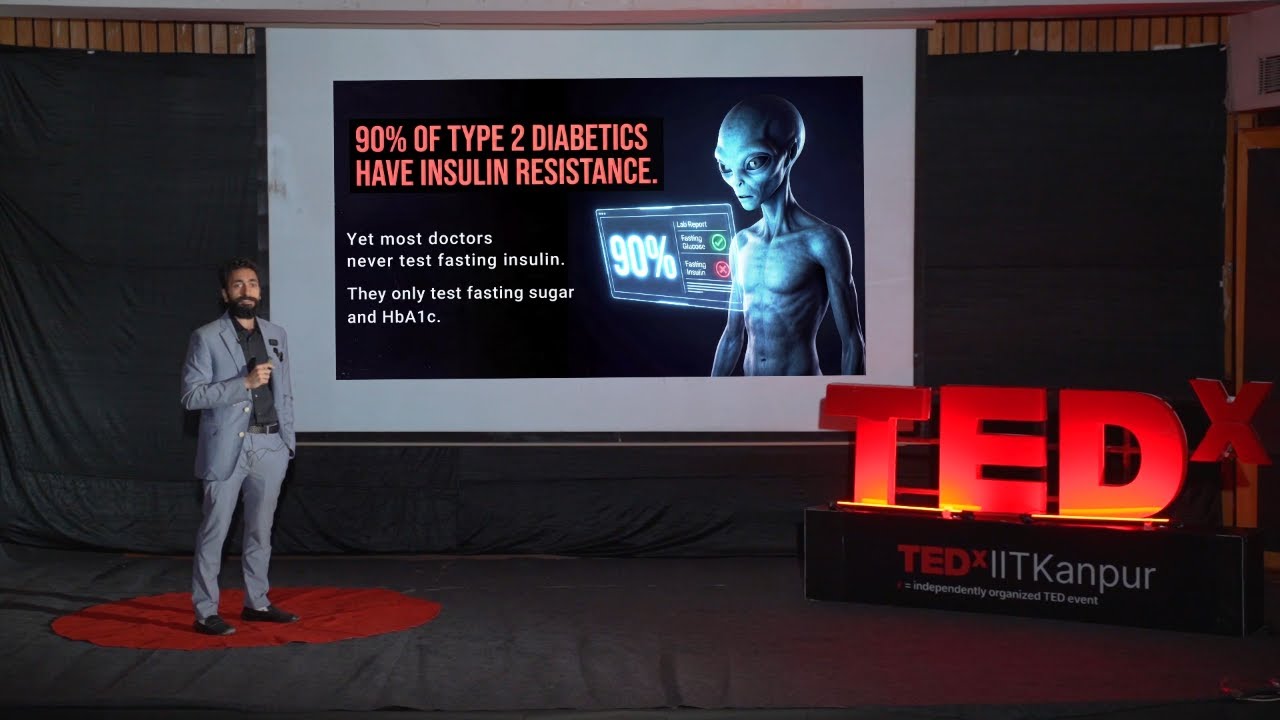
With the rising prevalence of insulin resistance and its associated complications, understanding its impact on metabolic health becomes imperative. Many individuals with insulin resistance may not realize they are at risk for developing Type 2 diabetes and other metabolic disorders, such as cardiovascular disease. Diagnosis often occurs late in the disease process, as insulin resistance can be asymptomatic. Routine screening for blood glucose levels and insulin can help in identifying those who are at risk.
Improving insulin sensitivity requires a multifaceted approach. Diet modification is the first step. Emphasizing foods that have a low glycemic index can prevent spikes in blood sugar and promote stable energy levels throughout the day. Incorporating more fiber-rich foods can also help, as fiber slows down the digestion and absorption of carbohydrates. Attention should be paid to portion sizes and overall caloric intake, as excessive consumption can lead to weight gain and further exacerbate insulin resistance.
In addition to dietary changes, regular physical activity is crucial. Creating a consistent exercise routine that includes both aerobic and strength training exercises is beneficial. A major understanding in recent years is that even brief bouts of activity can improve insulin sensitivity. For those who may be new to exercise, starting small, with activities that can be easily incorporated into daily life, can lead to significant benefits.
Emerging research indicates that certain supplements and nutrients may also aid in enhancing insulin sensitivity. Omega-3 fatty acids, magnesium, and vitamin D are among the nutrients being studied for their potential roles in metabolic health. Some studies suggest that anti-inflammatory compounds, such as curcumin and resveratrol, may also help in mitigating insulin resistance.
Future directions in diabetes research emphasize the urgency of developing targeted interventions. Understanding genetic factors contributing to insulin resistance remains a priority. Personalized approaches to prevention and management will likely become more prevalent, accounting for an individual’s genetic makeup, lifestyle, and personal health history.
The role of insulin resistance in diabetes is multifaceted, significantly affecting metabolic health. With a proper understanding of its underlying mechanisms, individuals can make informed dietary and lifestyle changes. This proactive approach can help prevent the progression of insulin resistance into more severe health issues such as Type 2 diabetes.
Continued education and awareness about insulin resistance are necessary components in the fight against diabetes and related metabolic disorders. As the medical community advances in understanding this condition, public health initiatives aimed at promoting healthier lifestyles will become increasingly vital in combating this epidemic. By prioritizing diet, exercise, and overall wellness, individuals can take significant steps to improve their insulin sensitivity and enhance their quality of life.
*****
Source Description
NOTE FROM TED: Do not look to this talk for medical advice and always consult a medical professional before modifying medication or diet. We’ve flagged this talk because it falls outside the content guidelines TED gives TEDx organizers. This talk only represents the speaker’s personal views and understanding of medical testing, diabetes management, and healthcare. TEDx events are independently organized by volunteers. The guidelines we give TEDx organizers are described in more detail here: http://storage.ted.com/tedx/manuals/tedx_content_guidelines.pdf
Modern medicine just measures and treats the symptom of Type 2 diabetes — high blood sugar — but rarely tests for what’s actually driving it. Through the eyes of an alien encountering the disease for the first time, Dr. Gagandeep Singh shows this isn’t a knowledge gap but a systems failure, and closes with the single question every patient should ask their doctor — one that finally puts the root cause on the table. Dr. Gagandeep Singh, MBBS, Founder of Redial Clinic, is one of India’s leading chronic disease reversal physicians. With 12+ years of experience and over 1,000 patient transformations, he specialises in reversing Type 2 diabetes, hypertension, obesity, PCOS and insulin resistance using root-cause, lifestyle-based approaches.
He brings a personal, science-driven philosophy to his practice: “We don’t manage illness. We reverse it — with science, soul, and zero fluff.”
Through Redial Clinic’s structured programs and his widely-followed online education, Dr. Singh is advancing a nationwide movement that places lifestyle—not lifelong medication—at the centre of chronic disease care. This talk was given at a TEDx event using the TED conference format but independently organized by a local community. Learn more at https://www.ted.com/tedx
